Introduction
The Nissan Z is one of the most recognizable names in the sports car world. Known for its powerful engine, rear-wheel-drive performance, eye-catching design, and exciting driving experience, the Nissan Z has built a reputation that continues to attract car enthusiasts across generations. It combines traditional sports car characteristics with modern technology, making it an appealing choice for drivers who want something more exciting than an ordinary everyday vehicle.
What makes the Nissan Z special is its ability to respect its history while embracing modern automotive engineering. The Z family has been around for decades, delivering memorable vehicles such as the original Datsun 240Z, the 280ZX, the 300ZX, and the 350Z. Each generation introduced something new while maintaining the central idea of an affordable, enjoyable, and performance-focused sports car.
The modern Nissan Z continues that tradition with a twin-turbocharged V6 engine, a driver-focused cabin, and an unmistakable exterior. The 2026 model offers several versions, including Sport, Performance, Heritage Edition, and NISMO. Whether someone appreciates classic Japanese sports cars or simply wants a vehicle that makes every drive more entertaining, the Nissan Z deserves attention. Let’s explore everything that makes this car worth discussing.
What Is the Nissan Z?
The Nissan Z is a two-seat sports car produced by Nissan. It belongs to a long-running family of performance vehicles that began with the Datsun 240Z in 1969. Over the years, the Z name became associated with attractive styling, responsive handling, strong engines, and relatively accessible performance.
Unlike large luxury vehicles designed primarily for comfort, the Nissan Z focuses on the driving experience. Its compact proportions, rear-wheel-drive configuration, and powerful engine create a connection between the driver and the road. The car is designed to feel exciting without requiring drivers to purchase an extremely expensive supercar.
Another important characteristic is its balance between heritage and innovation. Nissan has maintained familiar design elements from earlier Z models while introducing modern electronics, updated safety equipment, advanced infotainment, and improved engine technology. This approach helps the vehicle appeal to both longtime fans and younger enthusiasts discovering the Z lineup for the first time.
The History and Evolution of the Nissan Z
The Nissan Z story started in 1969 with the Datsun 240Z. At the time, sports cars from established European manufacturers were often expensive, but the 240Z offered impressive performance and attractive styling at a more approachable price. It quickly developed an international following and established the foundation for future Z models.
Nissan continued developing the lineup through vehicles such as the 260Z, 280Z, 280ZX, and 300ZX. These generations introduced different combinations of engine performance, comfort, technology, and exterior design. The 300ZX, particularly the twin-turbo Z32 generation, became especially famous for its advanced engineering and impressive performance capabilities.
The modern era continued with the 350Z and 370Z. These cars helped bring the Z identity to a new generation of enthusiasts. Eventually, Nissan introduced the latest-generation Z, which returned to a more recognizable heritage-inspired design while adopting a modern twin-turbo V6 powertrain. The current generation demonstrates that Nissan remains committed to producing dedicated sports cars.
Nissan Z Exterior Design and Styling
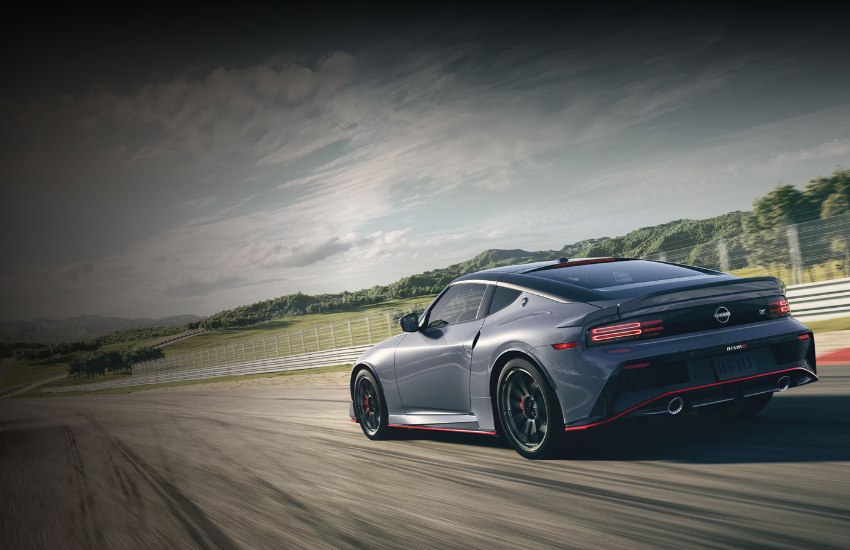
One of the first things people notice about the Nissan Z is its distinctive exterior. The latest generation combines classic sports car proportions with modern design details. Its long hood, short rear section, low roofline, and muscular stance immediately communicate that this is a performance-oriented vehicle.
The front design features a bold grille, modern LED lighting, and a clean bumper arrangement. The styling takes inspiration from previous Z models without simply copying them. The headlights and overall front proportions create a recognizable appearance that separates the Nissan Z from many contemporary sports coupes.
The rear design is equally interesting. Its wide appearance, carefully shaped bodywork, and distinctive taillights create a connection to the iconic 300ZX. Nissan has also incorporated aerodynamic elements that help manage airflow and contribute to the vehicle’s overall appearance. Higher-performance versions receive additional exterior enhancements that make them look more aggressive.
Nissan Z Engine and Performance
The engine is one of the biggest reasons enthusiasts pay attention to the Nissan Z. The 2026 Sport and Performance models use a 3.0-liter twin-turbocharged V6 engine known as the VR30DDTT. It produces 400 horsepower at 6,400 rpm and 350 lb-ft of torque between 1,600 and 5,600 rpm.
This powertrain gives the Nissan Z strong acceleration and useful torque throughout a broad section of the engine’s operating range. The twin-turbo configuration helps deliver performance without requiring an unusually large engine. It also gives the vehicle the flexibility needed for everyday driving and more enthusiastic acceleration.
The NISMO version takes performance further. Its specially tuned engine produces 420 horsepower and 384 lb-ft of torque. Along with its additional power, the NISMO model receives suspension, braking, wheel, tire, and aerodynamic upgrades. These changes create a more focused driving experience for people who want a more track-oriented Nissan Z.
Nissan Z Transmission Options
Transmission choice plays an important role in the personality of a sports car. Nissan understands that different drivers prefer different experiences, which is why the Z offers both manual and automatic transmission options in its Sport and Performance grades.
The six-speed manual transmission is particularly attractive to traditional enthusiasts. It gives drivers direct control over gear selection and makes acceleration feel more engaging. The manual configuration also features an EXEDY high-performance clutch, designed to support the demands of a powerful sports car.
Drivers who prefer convenience can choose the available nine-speed automatic transmission on the appropriate trims. It offers quick gear changes and steering-wheel-mounted paddle shifters. The Performance model also offers SynchroRev Match technology with the manual transmission, helping synchronize engine speed during downshifts. The NISMO model uses a specially tuned nine-speed automatic transmission.
Nissan Z Sport Trim
The Sport trim serves as the entry point into the modern Nissan Z lineup. However, entry-level does not mean uninteresting. It comes with the same basic 400-horsepower twin-turbocharged V6 engine found in the Performance model, providing substantial power from the beginning.
The exterior features 18-inch aluminum-alloy wheels, LED lighting, and the familiar Z body design. Inside, drivers receive a digital instrument display, an infotainment touchscreen, smartphone connectivity, and a two-seat cabin designed around the driving experience.
The Sport trim is an appealing choice for people who want the core Nissan Z experience without paying extra for every available performance upgrade. It provides a strong combination of power, styling, and everyday usability. For many enthusiasts, this version offers everything necessary to enjoy a proper rear-wheel-drive sports car.
Nissan Z Performance Trim
The Performance trim is designed for drivers who want additional equipment and stronger performance-focused hardware. It retains the 400-horsepower V6 engine but adds several upgrades that improve the vehicle’s capabilities and overall driving experience.
One of its most important features is the mechanical limited-slip differential. This system helps distribute power more effectively between the rear wheels, particularly when accelerating out of corners. The Performance model also receives larger brakes, improved wheel and tire equipment, and additional exterior styling elements.
Inside, the Performance trim offers upgraded seating materials, a larger infotainment display, and a premium Bose audio system. These additions make the cabin feel more sophisticated without taking away from the vehicle’s sports car character. It is a strong option for enthusiasts who want a balance of comfort, technology, and driving performance.
Nissan Z Heritage Edition
The Heritage Edition celebrates the history of the Nissan Z, particularly the fourth-generation 300ZX known as the Z32. This special version brings classic styling inspiration into the modern lineup.
For the 2026 model year, the Heritage Edition is associated with a distinctive Z32-inspired Midnight Purple exterior treatment. It combines the modern Performance configuration with visual details intended to appeal to longtime Z enthusiasts.
The appeal of this edition goes beyond simply having a different paint color. It represents the connection between the original Z identity and the current generation. Buyers who appreciate Nissan’s sports car history may find this version especially attractive because it celebrates an important chapter in the company’s performance heritage.
Nissan Z NISMO: The Performance-Focused Version
The Nissan Z NISMO is the most performance-focused version of the 2026 lineup. It receives a specially tuned version of the twin-turbo V6 that produces 420 horsepower and 384 lb-ft of torque. These figures give it an advantage over the standard Sport and Performance versions.
NISMO also makes important changes to the vehicle’s chassis and suspension. It features specially tuned dampers, revised spring settings, unique stabilizer bars, and additional chassis bracing. These improvements are intended to create more controlled handling during demanding driving situations.
The exterior receives exclusive aerodynamic components, wider rear wheels, and a more aggressive appearance. Inside, the NISMO model includes Recaro seats, Alcantara-appointed surfaces, and distinctive red interior details. It is particularly suitable for enthusiasts who want a factory-developed performance package rather than building a modified vehicle themselves.
Nissan Z Interior and Cabin Comfort
The Nissan Z interior is designed to keep the driver at the center of the experience. Rather than creating a complicated cabin filled with unnecessary decorations, Nissan focuses on accessible controls, supportive seating, and useful technology.
The dashboard features a digital instrument display that provides important driving information. The traditional three-bay gauge arrangement is another interesting detail, paying tribute to older Z vehicles while adding a modern touch. These gauges help reinforce the vehicle’s performance identity.
Because the Nissan Z is a two-seat sports car, passenger space is limited compared with a regular sedan or SUV. However, the seating arrangement provides a focused cockpit environment. The center console, steering wheel, and dashboard controls are positioned to make common functions relatively easy to access while driving.
Nissan Z Technology and Infotainment
Modern sports cars need more than a powerful engine, and the Nissan Z includes several technology features that improve everyday convenience. Its infotainment system provides access to smartphone integration, audio functions, communication features, and other useful services.
The 2026 Sport trim includes an eight-inch touchscreen, while Performance and NISMO versions receive a larger nine-inch display with navigation. Apple CarPlay and Android Auto compatibility help drivers connect their smartphones and access supported applications.
Higher trims also offer a Bose premium audio system with eight speakers. Bluetooth connectivity, USB charging ports, and available NissanConnect services add further convenience. These features make the vehicle more practical for daily driving while preserving its traditional sports car personality.
Nissan Z Driving Experience
Driving the Nissan Z is about more than reaching a particular speed. Its rear-wheel-drive layout, responsive powertrain, and relatively compact proportions help create an engaging experience on different types of roads.
The twin-turbo V6 provides strong acceleration, while the transmission options allow drivers to select the type of involvement they prefer. Manual transmission enthusiasts can enjoy controlling gear changes themselves, while automatic versions provide convenience and quick shifting.
Handling is another important part of the experience. The double-wishbone front suspension and multi-link rear suspension are designed to provide controlled movement and predictable road behavior. The Performance and NISMO versions add hardware intended to improve cornering confidence and braking capability. As always, the vehicle should be driven responsibly and within legal speed limits.
Nissan Z Fuel Economy and Everyday Efficiency
The Nissan Z is a performance-focused sports car, so fuel economy is not its primary selling point. Its twin-turbocharged V6 engine is designed to provide strong acceleration and enjoyable performance rather than the lowest possible fuel consumption.
Actual fuel economy depends on several factors, including transmission choice, road conditions, traffic, driving habits, tire condition, and maintenance. Frequent hard acceleration and high-speed driving generally increase fuel consumption, while smoother driving can help improve efficiency.
People considering the Nissan Z as a daily vehicle should also think about fuel costs. The manufacturer recommends premium unleaded gasoline for the 2026 model. This is an important ownership expense to consider when comparing the Z with less powerful and more economical vehicles.
Nissan Z Safety and Driver Assistance Features
Although the Nissan Z is designed around performance, safety remains an important part of its equipment. The vehicle includes modern driver assistance technologies intended to help drivers recognize potential hazards and respond appropriately.
Depending on the trim and equipment configuration, available features include automatic emergency braking with pedestrian detection, blind spot warning, lane departure warning, and rear cross-traffic alert. These systems provide additional awareness during everyday driving situations.
Other important safety equipment includes airbags, stability control, anti-lock braking, and a rearview monitor. However, driver assistance technology should never replace careful driving. Drivers remain responsible for maintaining awareness, controlling the vehicle, and following traffic laws.
Nissan Z Price and Available Trims
The price of a Nissan Z depends on its trim level, selected equipment, destination charges, taxes, and market conditions. The following figures represent the published United States starting MSRP for the 2026 model year, rather than worldwide pricing.
| Nissan Z Trim | Starting US MSRP |
|---|---|
| Sport | $42,970 |
| Performance | $52,970 |
| Heritage Edition | $55,910 |
| NISMO | $65,750 |
The Sport trim is the most accessible entry into the lineup. Performance costs more because of its additional equipment and upgraded mechanical components. The Heritage Edition adds exclusive styling, while NISMO is positioned at the top because of its additional performance engineering.
These prices should not be treated as universal retail prices. Buyers in other countries may encounter different taxes, import duties, specifications, and availability. Before purchasing, it is sensible to request a complete quotation from an authorized dealer and compare the total ownership cost rather than focusing only on the advertised starting price.
Nissan Z Reliability and Maintenance
Reliability is an important consideration when buying any performance vehicle. The Nissan Z uses a modern twin-turbocharged V6 engine, which offers impressive performance but also contains more complex components than a basic naturally aspirated engine.
Regular maintenance is essential. Owners should follow the manufacturer’s recommended service schedule, use the correct engine oil, monitor coolant levels, inspect tires, and maintain the braking system. Turbocharged engines also benefit from being treated properly during cold starts and after demanding driving sessions.
Maintenance costs can vary depending on location, labor rates, replacement parts, and driving conditions. Potential buyers should review the service history of used vehicles and arrange a professional inspection before purchasing. A well-maintained Nissan Z is generally a more attractive ownership proposition than one with an unclear maintenance record.
Nissan Z vs. Toyota GR Supra
The Toyota GR Supra is one of the most obvious competitors to the Nissan Z. Both vehicles offer powerful engines, rear-wheel-drive layouts, two-seat configurations, and a strong reputation among performance enthusiasts.
The Nissan Z stands out with its twin-turbocharged V6 and available six-speed manual transmission. The Toyota GR Supra offers its own performance-focused powertrain options and a well-developed chassis. The exact comparison depends on model year, engine configuration, and selected equipment.
Choosing between these cars often comes down to personal preference. Someone who values Nissan’s Z heritage and traditional styling may prefer the Nissan Z. Another driver might appreciate the Supra’s distinctive exterior, handling characteristics, or available powertrain. A proper test drive is the best way to understand which vehicle feels more natural.
Nissan Z vs. Ford Mustang
The Ford Mustang competes with the Nissan Z from a slightly different angle. It offers a recognizable sports coupe design, powerful engine options, and more interior space in certain configurations.
The Nissan Z is a two-seat sports car with a compact body and a rear-wheel-drive layout. Its twin-turbo V6 creates a different personality from the Mustang’s available engines. The Mustang may appeal to drivers who want a larger vehicle with additional seating, while the Nissan Z is better suited to those who prefer a focused two-person sports car.
Both vehicles have dedicated enthusiast communities. The best choice depends on priorities such as engine sound, transmission preference, practicality, handling, running costs, and styling.
Is the Nissan Z Good for Daily Driving?
The Nissan Z can work as a daily driver for people who understand the compromises of owning a dedicated sports car. Its comfortable technology features, automatic transmission availability, and modern cabin equipment make regular commuting more manageable.
However, its two-seat layout means it cannot offer the passenger flexibility of a four-door vehicle. Storage space is also limited compared with larger cars. Low ground clearance and a firm suspension setup may become noticeable on rough roads, steep driveways, and damaged urban streets.
For someone who mainly travels alone or with one passenger, these limitations may be acceptable. The Nissan Z can make ordinary journeys more enjoyable, but buyers should honestly evaluate their everyday requirements before choosing it as their only vehicle.
Customization and Nissan Z Modifications
The Nissan Z has considerable appeal among automotive enthusiasts who enjoy customizing their vehicles. Its engine, rear-wheel-drive platform, and established performance identity provide a strong foundation for personalization.
Common modifications include upgraded wheels, performance tires, suspension components, exhaust systems, and exterior styling accessories. Some owners also explore engine tuning and upgraded cooling equipment to support increased performance.
However, modifications should be approached carefully. Poor-quality parts or incorrect installation can affect reliability, handling, safety, and warranty coverage. Engine tuning can also increase stress on turbochargers, cooling systems, and transmission components. It is always better to work with experienced professionals and choose upgrades that match the intended use of the car.
Who Should Buy the Nissan Z?
The Nissan Z is a strong option for drivers who appreciate traditional sports cars. It is particularly appealing to people who enjoy rear-wheel drive, powerful engines, manual transmissions, and distinctive styling.
Longtime Nissan enthusiasts may appreciate its connection to the 240Z, 300ZX, 350Z, and 370Z. Newer buyers may be attracted by its modern technology and impressive performance specifications. The car also makes sense for people who want something different from the increasingly common crossover and SUV market.
However, it is not the ideal choice for everyone. Families requiring additional seats, drivers who need substantial cargo capacity, and people prioritizing maximum fuel efficiency may find other vehicles more suitable. The best sports car is ultimately the one that matches the owner’s lifestyle and expectations.
Pros and Cons of the Nissan Z
Understanding the advantages and disadvantages of the Nissan Z can make the purchasing decision easier. Although the vehicle has plenty of appealing characteristics, it also involves compromises that potential owners should consider.
Advantages:
- Powerful 3.0-liter twin-turbocharged V6 engine.
- Available six-speed manual transmission.
- Rear-wheel-drive sports car configuration.
- Attractive exterior inspired by classic Z models.
- Modern digital displays and smartphone connectivity.
- Performance and NISMO versions with upgraded hardware.
- Strong connection to Nissan’s sports car heritage.
Disadvantages:
- Only two passenger seats.
- Limited practicality compared with larger vehicles.
- Premium fuel is recommended.
- Performance-oriented maintenance can be expensive.
- Firm suspension may not suit every road condition.
- Higher trims can become relatively expensive.
These points demonstrate that the Nissan Z is built around a particular purpose. It prioritizes driving enjoyment and performance rather than trying to become a practical family vehicle.
Tips for Buying a Nissan Z
Buying a Nissan Z requires more than choosing an attractive color and selecting a trim. Prospective owners should compare the available configurations and identify which features genuinely matter to them.
First, decide whether a manual or automatic transmission suits your driving style. Manual models provide a more involved experience, while automatic versions can be easier to operate in heavy traffic. Next, compare the Sport, Performance, Heritage Edition, and NISMO equipment packages to understand what each additional cost provides.
If purchasing a used Nissan Z, carefully inspect its service history, tires, brakes, suspension, and bodywork. Modified vehicles deserve additional attention because aftermarket upgrades can affect reliability and future maintenance requirements. A professional pre-purchase inspection is a sensible investment.
Finally, calculate insurance, fuel, maintenance, registration, and financing expenses. Looking at the complete ownership cost helps prevent unpleasant surprises after the purchase.
The Future of the Nissan Z
The Nissan Z represents an important part of Nissan’s performance identity. As automotive technology continues to change, sports car manufacturers face new challenges involving emissions regulations, fuel efficiency, electrification, and customer expectations.
The current Z demonstrates that there is still an audience for traditional rear-wheel-drive performance cars with powerful combustion engines. Its combination of heritage-inspired styling and modern engineering gives Nissan a recognizable product in a competitive market.
Future generations may introduce additional technology, updated powertrains, and new design approaches. However, the most important challenge will be preserving the qualities that make the Z special. Enthusiasts want a car that feels exciting, responds naturally to driver inputs, and maintains a strong connection to its history.
Conclusion
The Nissan Z continues a sports car tradition that began more than five decades ago. From the original Datsun 240Z to the modern twin-turbocharged Z, the lineup has consistently focused on delivering exciting performance, distinctive styling, and an engaging driving experience.
The 2026 Nissan Z builds on that reputation with a 400-horsepower V6 engine, rear-wheel drive, available manual transmission, modern technology, and several trim options. The Performance and Heritage Edition versions provide additional appeal, while the 420-horsepower NISMO model offers a more specialized driving experience.
Although it has limitations in passenger space, cargo capacity, and fuel economy, the Nissan Z remains an attractive choice for people who value dedicated sports car engineering. Ultimately, it is not designed to satisfy every type of driver. It is designed for people who enjoy driving, appreciate automotive history, and want a vehicle that makes every journey feel a little more special.
YOU MAY HAVE MISSED