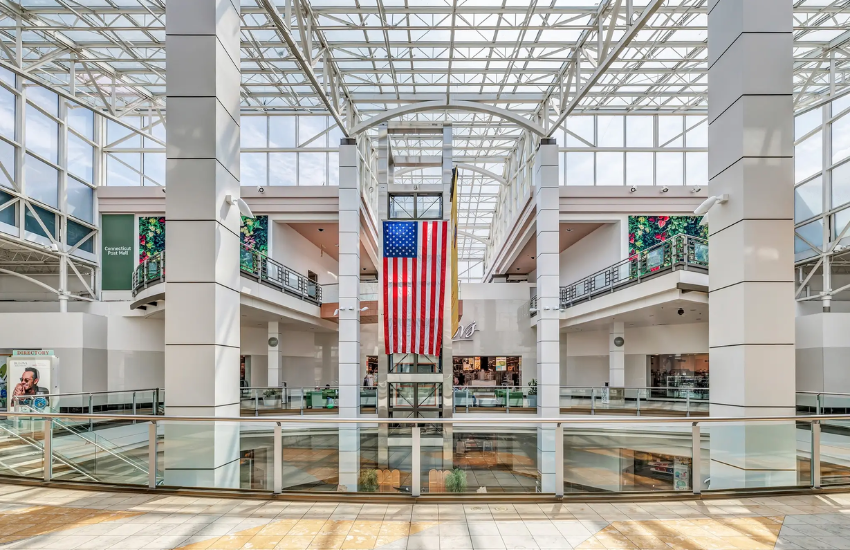
The Connecticut Post Mall is one of those places that means something different to everyone who walks through its doors. For some people, it is simply a convenient shopping destination in Milford, Connecticut. For others, it is a familiar part of childhood, a place where they spent weekends with family, met friends after school, searched for clothes before a special event, or grabbed something to eat after shopping.
Located along Boston Post Road in Milford, the mall has developed far beyond its original identity. Over the decades, it has gone through changes in ownership, renovations, store openings and closures, and shifts in the way people shop. Like many traditional American malls, it has also had to adapt to online shopping and changing consumer habits. Yet the Connecticut Post Mall remains an important part of Milford’s retail landscape.
What makes the mall particularly interesting today is that its story is not simply about traditional shopping. The property is being considered as part of a broader mixed-use future involving residential development, retail, restaurants, public spaces, and other uses. In other words, the Connecticut Post Mall is an example of how an older shopping center can attempt to reinvent itself rather than simply disappear.
This guide takes a closer look at the Connecticut Post Mall, including its history, shopping experience, dining options, entertainment, location, community role, redevelopment plans, and what visitors can expect from the property in the years ahead.
What Is the Connecticut Post Mall?
The Connecticut Post Mall is a major shopping center located at 1201 Boston Post Road in Milford, Connecticut. Its position along U.S. Route 1 gives it a prominent location within one of the city’s busiest commercial areas. The property has historically served not only Milford residents but also shoppers from surrounding communities in southwestern Connecticut.
The mall is much more than a collection of individual stores. It has traditionally functioned as a regional shopping destination where visitors can combine clothing purchases, department-store shopping, restaurants, entertainment, personal services, and everyday errands in one trip. That broad mix is part of what helped the property remain relevant through different eras of American retail.
The property has also been known by different names during its history, including Westfield Connecticut Post. Its long history reflects the evolution of the American shopping mall itself. What began as a more traditional shopping center eventually became an enclosed regional mall and later developed into a large commercial property with a mixture of major retailers, restaurants, entertainment businesses, and other uses.
Where Is Connecticut Post Mall Located?
The Connecticut Post Mall is situated in Milford, Connecticut, along Boston Post Road. This is one of the city’s major commercial corridors, so visitors will find a wide range of additional businesses, restaurants, hotels, service providers, and retail centers nearby.
Its location is one of the property’s strongest advantages. Milford sits between several major Connecticut communities, making the mall accessible to people who do not necessarily live directly in the city. The surrounding road network also makes it practical for shoppers arriving by car.
Boston Post Road is especially important because it has long been associated with commercial activity in Milford. Rather than being isolated from the surrounding community, the mall is part of a much larger retail environment. Visitors can therefore combine a mall trip with other errands or stops in the surrounding area.
For first-time visitors, it is worth remembering that the mall and nearby retail properties can be busy during weekends, holidays, and major shopping periods. Traffic patterns around the Boston Post Road corridor can also change depending on the time of day, so allowing a little extra travel time is a smart idea.
A Look at the History of Connecticut Post Mall
The history of the Connecticut Post Mall goes back much further than its current appearance might suggest. The shopping center originally opened in 1960, when American retail culture was undergoing a major transformation. Shopping centers were becoming important community destinations, and suburban retail development was expanding rapidly.
The original property was not identical to the enclosed mall visitors know today. Like many shopping centers of its era, it evolved over time as consumer expectations changed. Later renovations and expansions transformed the property into a much larger and more traditional enclosed shopping destination.
One of the most significant periods in its development came during the 1980s and 1990s, when enclosed regional malls were at the center of American shopping culture. People did not visit malls only because they needed something. They went there to socialize, eat, browse stores, see friends, and spend an afternoon away from home.
The mall continued changing into the 2000s. Major renovations and expansions helped modernize the property and increase its retail footprint. These changes reflected a broader industry trend in which malls attempted to become destinations rather than simply places where customers bought products.
How the Mall Changed Over the Years
One of the most interesting things about the Connecticut Post Mall is how dramatically its retail environment has changed. Stores that were once major attractions have disappeared, while newer brands and entertainment concepts have taken their place.
Department stores have historically played a major role in the mall’s identity. Over the years, some major retailers have closed, relocated, or changed their business models. The closure of familiar names can feel significant to longtime Milford residents because stores often become connected to personal memories.
The mall’s changing tenant mix also illustrates a larger problem facing traditional shopping centers. Customers today can purchase almost anything online, often with next-day delivery. As a result, physical retail properties have had to offer something that an online shopping cart cannot provide.
That is why modern malls increasingly emphasize food, entertainment, services, experiences, and social spaces. The Connecticut Post Mall has followed this general direction, adding and retaining uses that encourage visitors to spend time at the property instead of simply making a quick purchase.
Shopping at Connecticut Post Mall
Shopping remains an important reason people visit the Connecticut Post Mall. The property’s large size means shoppers can find different categories of merchandise without having to visit several unrelated shopping centers.
Department-store shopping has historically been one of the mall’s strongest features. Stores such as Macy’s and Boscov’s provide broad selections covering clothing, accessories, beauty products, home merchandise, and other everyday categories.
There are also stores aimed at more specific shopping needs. Depending on the current tenant lineup, shoppers may find fashion retailers, sporting-goods businesses, specialty stores, technology-related products, beauty services, and other retail concepts.
One thing visitors should keep in mind is that mall store lineups change. A store that was present a year ago may relocate or close, while another business may be preparing to open. For that reason, checking the current directory before making a dedicated shopping trip is always a good idea.
Fashion and Clothing Stores
Fashion has always been an important part of the Connecticut Post Mall experience. Clothing stores attract shoppers looking for everyday outfits, workwear, seasonal fashion, shoes, accessories, and items for special occasions.
The mall’s fashion environment also reflects the fact that different age groups shop differently. Teenagers and young adults may be interested in trend-driven clothing, while families often look for practical and affordable options. Older shoppers may prioritize department stores and brands that offer a wider selection.
This variety is important because a successful regional mall cannot rely on one demographic. It needs enough variety to make the trip worthwhile for families, students, professionals, and casual shoppers.
At the same time, fashion retail is one of the categories facing intense competition from online shopping. Physical clothing stores therefore have to provide customers with advantages such as trying items on, seeing materials in person, receiving immediate assistance, and taking purchases home the same day.
Department Stores and Big Retailers
Large-format retailers have traditionally helped anchor the Connecticut Post Mall. They give shoppers a reason to visit the property even when they are not planning to explore every smaller store.
Department stores are particularly useful for customers who want variety. Instead of visiting separate stores for clothing, cosmetics, accessories, home goods, and seasonal merchandise, shoppers can often find several categories under one roof.
The presence of large retailers also benefits smaller stores. Someone visiting the mall for a department store may decide to stop at another retailer, grab lunch, or visit an entertainment venue before leaving.
This interconnected shopping behavior is one reason anchor stores remain important to traditional malls. Even as retail continues evolving, large destinations can still generate foot traffic for the wider property.
Dining at Connecticut Post Mall
Food has become an increasingly important part of the mall experience. Modern shoppers often expect a mall visit to include more than shopping, and the Connecticut Post Mall has developed a variety of food options to meet that demand.
Visitors can find quick-service choices, casual meals, snacks, beverages, and other dining options. The property has also attracted newer food concepts, showing that restaurants can play a major role in keeping a shopping center active.
Recent reporting has highlighted additions such as Sunrise Café, Pho Fusion Hub, CasaCuba, and plans involving P.F. Chang’s. These additions demonstrate how the food mix can evolve even while other parts of a mall’s retail lineup are changing.
For families, dining can make a mall trip easier because everyone can take a break without leaving the property. For groups of friends, restaurants and cafés also create places to meet and spend time together.
Restaurants and New Food Concepts
One of the most positive signs for a traditional shopping mall is the arrival of new restaurants. Restaurants can create repeat visits because people may return for food even when they do not need to purchase clothing or other merchandise.
New concepts also give the property a chance to appeal to customers who might otherwise have little reason to visit. A person may decide to try a new restaurant and then browse nearby stores while they are there.
The introduction of different cuisines is particularly useful because dining preferences are diverse. A strong food mix can include familiar American favorites alongside Asian, Vietnamese, Cuban, café-style, and other international options.
This approach makes the mall feel less like a conventional retail building and more like a mixed-use social destination. That distinction could become increasingly important as the property continues to evolve.
Entertainment at the Connecticut Post Mall
Shopping malls have spent years moving toward entertainment, and the Connecticut Post Mall is part of that larger trend. Entertainment gives visitors an experience that cannot simply be duplicated by clicking on a website.
Entertainment can also encourage people to stay longer. Someone might shop for an hour, eat lunch, visit an entertainment venue, and then return to a few stores before heading home. That creates a very different experience from a quick trip to a standalone retailer.
The presence of entertainment options also makes the mall more attractive to families and groups. Instead of dividing the day into separate shopping and entertainment trips, visitors can combine several activities in one location.
That flexibility is especially valuable in a competitive retail environment where consumers have countless alternatives for how they spend their free time.
Dave & Buster’s and Family Fun
Dave & Buster’s has been an important entertainment component associated with the Connecticut Post Mall. The concept combines food, games, and entertainment, making it different from a conventional retail store.
Businesses like this can help malls remain active outside traditional shopping hours. People may visit in the evening, on weekends, or during school vacations, when they might not otherwise spend much time shopping.
For families, entertainment venues can make the mall more appealing to children and teenagers. Parents can shop or dine while younger visitors have something specifically designed around recreation.
This is exactly the type of experience that demonstrates how the modern mall has changed. The successful mall of today is increasingly about what people can do, not just what they can buy.
Why Connecticut Post Mall Still Matters to Milford
The Connecticut Post Mall is important to Milford for more than retail reasons. Large shopping properties contribute to local economic activity through employment, business taxes, customer spending, and surrounding development.
The mall has also become part of Milford’s identity. Residents who have lived in the city for decades often associate it with different periods of their lives. The stores may change, but the building itself remains a familiar landmark.
Its location also means that activity at the mall can affect the wider Boston Post Road commercial corridor. When people visit the mall, they may also stop at nearby businesses, restaurants, gas stations, and other retailers.
This creates a wider economic ecosystem. A mall does not exist in isolation; its success or decline can influence how people perceive and use the surrounding commercial district.
The Mall’s Role as a Community Gathering Place
Shopping malls have traditionally served as informal community spaces. People meet friends there, walk around without necessarily buying anything, take children out for an afternoon, and gather during holidays.
That social role remains relevant even in the age of online shopping. In fact, physical gathering spaces may become more valuable as consumers increasingly separate online purchasing from real-world social experiences.
The Connecticut Post Mall has hosted community-oriented activities and has been connected with local organizations and events. These activities give residents another reason to think of the property as part of the community rather than simply a commercial building.
That distinction could become increasingly important as the property looks toward its next phase. A mall that can function as a community destination has a better chance of remaining relevant than one that depends entirely on conventional retail.
The Challenges Facing Connecticut Post Mall
Like shopping centers across the United States, the Connecticut Post Mall faces several challenges. Online shopping is an obvious one, but it is not the only issue.
Consumers have also become more selective about where they spend their time. A shopper may compare prices online before visiting a store, order products directly from a brand, or choose an open-air shopping center with restaurants and services instead of a traditional enclosed mall.
Vacant retail space can create another challenge. When major stores close, the loss is not only financial. Large empty spaces can make a mall feel less active, which can influence how customers perceive the property.
Recent local reporting has described the mall as having experienced departures and vacant spaces while also noting efforts to revitalize the property.
Why Redevelopment Is Becoming Important
The future of the Connecticut Post Mall is closely connected to redevelopment. The idea is not simply to add a few new stores but to rethink how the property functions.
In recent years, plans have been discussed for adding residential development to the property. Milford’s Planning and Zoning Board approved a code change allowing up to 750 apartments, although the redevelopment proposal has continued to evolve and has required further planning.
Earlier master-plan concepts envisioned a more mixed-use environment involving apartments, retail, restaurants, outdoor areas, and public spaces. One version of the proposal even used the name “The Post” to describe a broader vision for the property.
This kind of redevelopment reflects a major trend in commercial real estate. Instead of treating a mall as a place people drive to, shop at, and leave, developers increasingly want properties where people can live, eat, shop, work, and socialize in the same general area.
The Proposed Residential Component
Adding apartments could significantly change how the Connecticut Post Mall operates. Residents living on or near the property would provide a built-in population that could use restaurants, stores, services, and entertainment venues throughout the week.
That could also reduce the property’s dependence on weekend shopping traffic. A resident might visit a café on a weekday morning, pick up dinner in the evening, shop on Saturday, and attend an event on Sunday.
The proposed residential development has been described in connection with a broader revitalization effort. Local officials and mall representatives have viewed redevelopment as a possible way to strengthen the property and create a more active environment.
However, redevelopment on this scale takes time. Design work, approvals, financing, construction, infrastructure, and tenant planning all have to come together before a large project becomes reality.
What Mixed-Use Development Could Mean for Visitors
If the redevelopment vision moves forward, visitors could eventually experience a very different Connecticut Post Mall. Instead of arriving at a traditional enclosed shopping center surrounded mainly by parking, people could encounter a more integrated environment with residential buildings, restaurants, retail, green spaces, and gathering areas.
Outdoor public spaces could be especially valuable. They can provide places for seasonal events, markets, performances, dining, and informal social activities.
This would also create opportunities for businesses that depend on foot traffic. Restaurants and cafés generally benefit when customers are nearby and can walk to them rather than having to get into a car for every visit.
In that sense, redevelopment could help the mall compete with newer lifestyle centers and mixed-use districts that have already shifted away from the traditional enclosed-mall model.
Shopping Online vs. Shopping at Connecticut Post Mall
It is impossible to discuss the future of the Connecticut Post Mall without mentioning online shopping. E-commerce has completely changed consumer behavior.
Online shopping is convenient, often offers enormous product selection, and allows customers to compare prices quickly. For basic purchases, it can be difficult for traditional retail stores to compete with that level of convenience.
But physical stores have advantages too. Customers can see products in person, try on clothing, test certain items, ask employees questions, and take purchases home immediately.
There is also the social side of shopping. Meeting a friend for coffee, browsing stores together, eating lunch, and watching other people go about their day is an experience that online shopping cannot reproduce.
The strongest future for a mall like Connecticut Post may therefore come from combining both worlds: online convenience with physical experiences that make visiting worthwhile.
Why Experiences Matter More Than Ever
Today’s shoppers increasingly look for experiences. That does not mean traditional shopping has disappeared. Instead, it means retail works better when shopping is part of something bigger.
A person may visit the Connecticut Post Mall to purchase a pair of shoes, but they may stay because they are meeting friends for lunch. Another visitor may come for entertainment and decide to shop afterward.
Restaurants, cafés, entertainment venues, events, services, and public spaces can all contribute to this experience-based model.
This is one reason the mall’s future should not be measured only by the number of stores. A smaller number of strong businesses combined with dining, entertainment, housing, and community spaces could potentially create a more active property than a traditional mall packed with stores that receive little foot traffic.
Tips for Visiting Connecticut Post Mall
If you are planning a visit, it is smart to decide what you want to accomplish before arriving. Because the property is large, having a basic plan can save time.
Check store and restaurant information before leaving home, especially if you are traveling specifically for one business. Mall tenant lineups change, and opening hours can vary during holidays or special events.
If you are visiting with children, consider combining shopping with dining or entertainment. This can make the trip more enjoyable for everyone rather than turning the entire visit into a shopping expedition.
For longer visits, comfortable footwear is also a simple but useful tip. Large shopping centers can involve considerably more walking than people expect, especially if you want to browse multiple stores.
Best Times to Visit
Weekday visits are generally a good choice for people who prefer a quieter shopping environment. Mornings and early afternoons can be especially convenient for shoppers who want to browse without large crowds.
Weekends can have a completely different atmosphere. Families, groups of friends, and shoppers with more free time can make the property considerably busier.
Holiday periods are another matter. Shopping traffic can increase substantially around major holidays, particularly when people are purchasing gifts or taking advantage of seasonal promotions.
If your main goal is relaxed shopping, visiting outside peak periods is usually the better strategy. If you enjoy a lively atmosphere, however, weekends and special events may be exactly what you want.
Connecticut Post Mall and the Future of Retail in Connecticut
The story of the Connecticut Post Mall is part of a much larger conversation about the future of retail in Connecticut. Traditional malls are being challenged by online commerce, changing demographics, new shopping formats, and shifting consumer expectations.
Some properties have struggled to adapt, while others have reinvented themselves through restaurants, entertainment, housing, offices, medical uses, and public spaces.
The Connecticut Post Mall has an opportunity to participate in this transformation. Its established location, large physical footprint, surrounding commercial activity, and recognition within the Milford community give it assets that a completely new development would have to build from scratch.
The challenge is turning those advantages into an experience that feels relevant to today’s consumers.
What Makes Connecticut Post Mall Different?
One of the mall’s biggest advantages is its history. It is not a new property that shoppers are still discovering. Generations of residents already know the location.
That familiarity creates emotional value. People may return because they remember visiting the mall as children, shopping there with parents, or meeting friends there years ago.
Its location is another advantage. Being positioned along Boston Post Road places it within an established commercial corridor rather than a remote development.
Finally, its size gives developers flexibility. A large property can potentially accommodate multiple uses, making it easier to experiment with a combination of retail, dining, entertainment, housing, and public space.
The Emotional Side of Connecticut Post Mall
There is a reason conversations about old malls often become surprisingly nostalgic. Shopping centers are physical reminders of different periods in people’s lives.
Someone might remember buying their first outfit for a school dance, meeting friends after class, visiting a favorite restaurant, or walking around the mall during a rainy weekend.
The Connecticut Post Mall has generated plenty of those memories for Milford residents. Community discussions about the property frequently include memories of older stores, former food courts, theaters, and earlier versions of the mall.
That nostalgia is valuable, but it cannot by itself sustain a shopping center. The challenge is to preserve the sense of familiarity while creating reasons for a new generation to visit.
Why the Next Chapter Could Be Important
The Connecticut Post Mall is at an interesting point in its history. It has already survived multiple changes in retail culture, ownership, tenant mix, and consumer behavior.
Now it faces another transformation. Redevelopment discussions suggest that its future could involve a much broader concept than the traditional mall.
The proposed addition of housing is particularly significant because it could change the property’s relationship with Milford. Instead of serving only people who drive there to shop, the property could eventually serve people who live there as well.
That would create a fundamentally different kind of commercial environment.
Final Thoughts on Connecticut Post Mall
The Connecticut Post Mall is much more than a place to shop. It is a long-standing part of Milford’s commercial and social landscape, and its history reflects the changing role of shopping malls throughout the United States.
From its beginnings as a mid-century shopping center to its transformation into a major enclosed mall, the property has repeatedly adapted to changing consumer expectations. It has experienced successful periods, difficult periods, store closures, new restaurants, entertainment additions, and evolving redevelopment ideas.
Today, the most interesting part of the Connecticut Post Mall story may be what comes next. The possibility of residential development and a broader mixed-use environment suggests that the property’s future may not depend on returning to the mall model of the 1980s or 1990s.
Instead, the future could involve a new kind of destination where shopping is only one part of the experience.
The arrival of newer dining concepts, the continued presence of major retailers, entertainment options, and discussions about residential development all point toward a property that is still evolving. Recent local planning documents have also identified areas where retail categories are underrepresented, suggesting that there may be opportunities to improve the tenant mix as redevelopment progresses.
For visitors, the Connecticut Post Mall remains a recognizable Milford destination. For the local community, it represents something larger: a major commercial property with the potential to influence the future of the surrounding area.
Whether you remember the mall from decades ago or are visiting for the first time, its story is worth following. The Connecticut Post Mall has already changed several times, and its next chapter could be its most interesting one yet.
YOU MAY HAVE MISSED