Introduction to Engagement Photos
Engagement photos are a wonderful way for couples to celebrate their relationship before the wedding day. They capture the excitement, happiness, and connection between two people who are preparing to begin a new chapter together. Whether you prefer romantic portraits, candid moments, or fun photographs that reflect your personalities, an engagement photo session gives you the opportunity to preserve these memories in a meaningful way.
For many couples, an engagement is one of the most exciting periods of their lives. There are wedding plans to organize, family celebrations to enjoy, and countless little moments that make this time special. Engagement photos allow couples to slow down for a while and focus on each other. Instead of worrying about schedules, decorations, or guest lists, you can simply enjoy being together while a photographer captures genuine emotions.
Another reason engagement photos are popular is their versatility. You can use them for wedding invitations, save-the-date cards, engagement announcements, social media posts, guest books, and home decorations. They can also help you become more comfortable in front of the camera before your wedding day. With the right planning, location, outfits, and photographer, your engagement session can become an enjoyable experience that produces photographs you will treasure for years.
What Are Engagement Photos?
Engagement photos are professional or personally captured photographs of a couple who have agreed to marry. They usually take place between the proposal and the wedding, although some couples choose to schedule their session shortly before their wedding celebrations. The purpose is to document the relationship during this unique stage of life.
Unlike traditional wedding photography, engagement photography usually offers more flexibility. Couples can select their favorite locations, wear everyday clothing or formal outfits, and experiment with different poses. There is generally no pressure to follow a strict wedding-day timeline, so the session can feel relaxed and personal.
Engagement photos can be romantic, playful, elegant, adventurous, or minimalist. Some couples prefer classic portraits in a beautiful garden, while others choose an urban setting filled with colorful buildings and interesting architecture. The best approach is to select a style that reflects your relationship instead of trying to copy every popular trend.
Why Engagement Photos Matter
Preserving a Special Chapter of Your Relationship
An engagement is a temporary but meaningful stage in a couple’s journey. It represents commitment, anticipation, and the beginning of preparations for married life. Engagement photos preserve this period so you can look back on it after the wedding and remember how you felt before everything changed.
Years later, these photographs may become some of your favorite personal keepsakes. You might remember the excitement of choosing your wedding date, the conversations you had about your future, or the nervous laughter that happened during your first few photographs. A well-captured image can bring those memories back more vividly than you might expect.
The value of engagement photography is not limited to perfect lighting or attractive backgrounds. Sometimes, the most meaningful photographs are the ones that capture small details, such as a genuine smile, a shared joke, or the way your partner looks at you when you are not paying attention.
Getting Comfortable in Front of the Camera
Many people feel awkward when someone points a camera at them. They may not know where to place their hands, how to stand, or whether they should smile naturally. An engagement session provides a low-pressure opportunity to become familiar with professional photography.
Working with a photographer before the wedding also helps establish communication. You can learn how the photographer gives directions, which poses feel comfortable, and how much guidance you prefer. This experience can make your wedding portraits feel easier and more natural.
By the time the wedding arrives, you may feel more confident and relaxed. You will already know how to work with your photographer, and your photographer will have a better understanding of your personalities and preferred angles.
Creating Photographs for Wedding Materials
Engagement photos are often used in wedding-related materials. A favorite photograph can appear on save-the-date cards, invitations, wedding websites, welcome signs, or reception displays. Using your own photographs gives these materials a personal touch.
If you plan to use the images for printed stationery, tell your photographer before the session. They can create photographs with extra space for text, suitable horizontal and vertical compositions, and a variety of backgrounds.
You should also check the printing requirements of your stationery provider. High-resolution files, suitable cropping, and sufficient space around the couple can help ensure that your favorite images look attractive in their final format.
Best Locations for Engagement Photos
Parks and Gardens
Parks and gardens are popular locations for engagement photos because they provide natural scenery, greenery, flowers, and open spaces. These settings work especially well for couples who want soft, romantic photographs without an elaborate background.
A garden can create a timeless appearance, especially during spring when flowers are blooming or autumn when leaves change color. Even a simple park can provide plenty of variety through pathways, trees, benches, and shaded areas.
When selecting a park, consider visitor numbers, photography permissions, parking, and the distance between different shooting locations. A quieter area can help you feel more comfortable and reduce distractions in the background.
Beaches and Lakesides
Waterfront locations create a peaceful and romantic atmosphere. Beaches, lakes, and rivers can provide beautiful reflections, open horizons, and interesting textures that make engagement photos visually appealing.
Sunrise and sunset are often excellent times for waterfront photography because the light can be softer than it is around midday. However, weather conditions, wind, tides, and public access should be considered before booking your session.
For a relaxed beach session, couples can walk along the shoreline, hold hands, sit together, or enjoy playful interactions. You do not need elaborate poses when the environment already offers a beautiful backdrop.
Urban Streets and City Centers
City locations are ideal for couples who enjoy modern architecture, busy streets, cafés, murals, and an energetic atmosphere. Engagement photos taken in urban settings can feel stylish and contemporary while reflecting the places where a couple spends time together.
You might choose a favorite coffee shop, a historic building, a colorful street, or a neighborhood where you had an early date. Including meaningful places makes the photographs more personal than selecting a location solely because it looks attractive.
Before the session, check whether photography permits are required for private properties, rooftops, museums, or commercial spaces. Plan the route in advance so you can move between locations without losing too much time.
At Home or in a Meaningful Personal Space
Home engagement photos can feel intimate and authentic. They capture the everyday side of a relationship, including the little routines that make a shared life special.
You might cook a meal together, read on the sofa, make coffee, play with a pet, or sit near a window. These simple activities provide natural opportunities for interaction and often result in photographs that feel less posed.
Choose rooms with good natural light and remove only the distractions that you do not want in the final photographs. Your home does not need to look like a professionally styled interior. The goal is to preserve the personality of your space while creating a comfortable environment.
Mountains and Outdoor Adventure Locations
Couples who love hiking, camping, or outdoor exploration may prefer mountain trails, scenic overlooks, forests, or open countryside. These settings can create dramatic images and tell a story about shared interests.
Adventure sessions require additional planning. Consider hiking distance, changing weather, suitable footwear, access restrictions, and the equipment your photographer needs to carry. A beautiful location is only useful if you can reach it safely and comfortably.
It is also worth bringing water, snacks, layers of clothing, and a backup plan. When you prepare for the practical details, you can spend more time enjoying the experience and less time worrying about unexpected problems.
Choosing the Right Engagement Photo Style
Classic and Timeless Photography
Classic engagement photography focuses on clean compositions, natural expressions, flattering light, and elegant poses. This style is ideal for couples who want photographs that will still look beautiful many years from now.
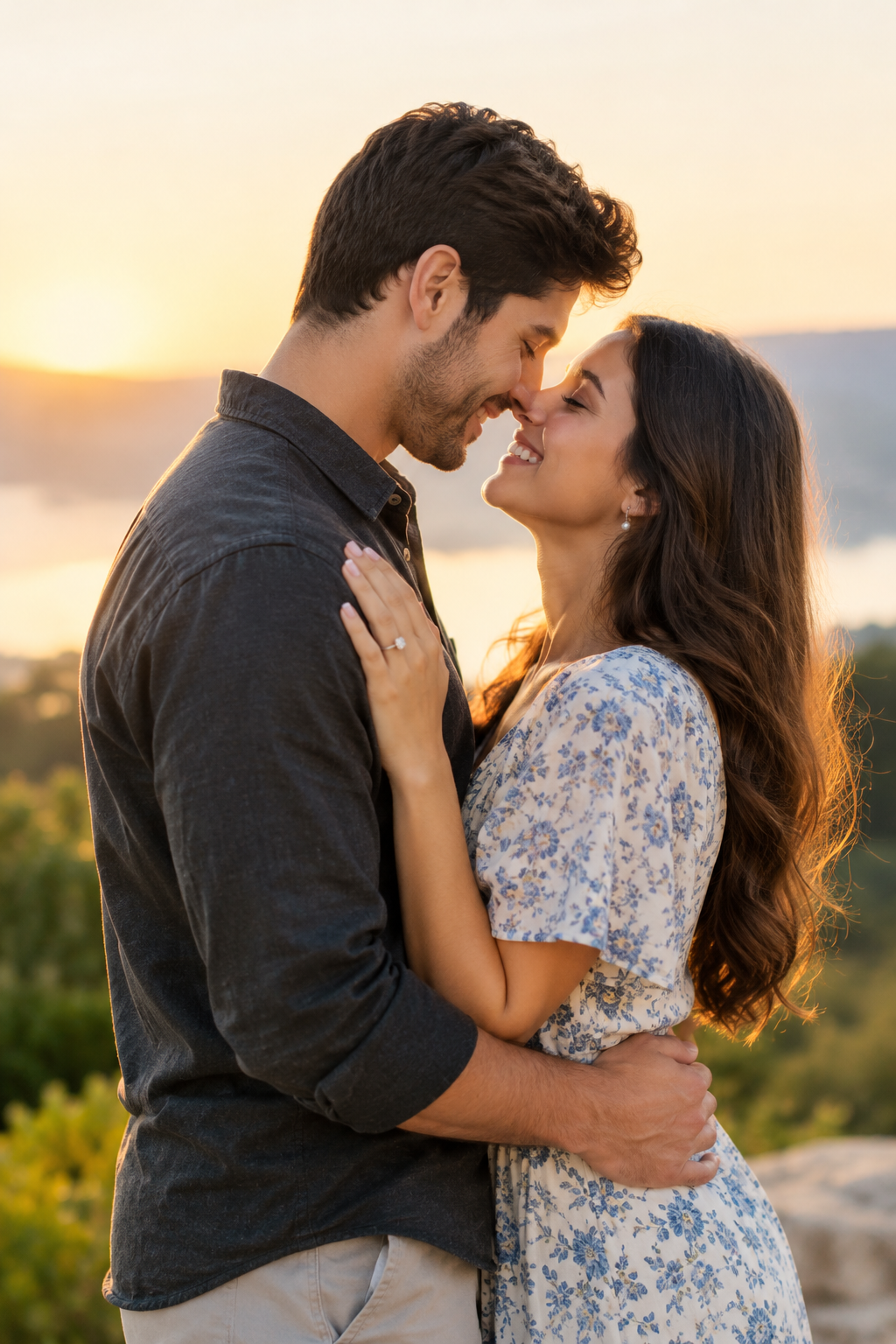
Typical images include close-up portraits, standing poses, hand-holding, and photographs that highlight the engagement ring. Neutral clothing and simple backgrounds often work well because they keep attention on the couple.
A timeless style does not have to look stiff or overly formal. You can include candid laughter and natural movement while maintaining a polished appearance.
Candid and Documentary Photography
Candid engagement photos capture interactions as they happen instead of relying entirely on carefully arranged poses. The photographer may encourage you to walk, talk, tell stories, or participate in activities you genuinely enjoy.
This approach works particularly well for couples who feel uncomfortable posing. Rather than concentrating on the camera, you can focus on each other while the photographer observes and captures natural expressions.
Candid photography still involves planning. Good light, thoughtful composition, and a photographer who understands timing all contribute to the final result. The difference is that the images emphasize real interaction rather than perfect positioning.
Romantic and Editorial Photography
Romantic engagement photography often uses soft lighting, graceful movement, and close interactions to create an emotional atmosphere. Editorial photography may add more deliberate styling, dramatic compositions, and fashion-inspired poses.
These approaches can be combined. For example, you might choose elegant clothing and a sophisticated location while allowing spontaneous moments to develop naturally.
If you want an editorial look, discuss the mood and visual references with your photographer beforehand. Explain whether you prefer understated elegance, dramatic contrast, vintage inspiration, or modern fashion photography.
Fun and Playful Photography
Not every engagement session needs to be serious or romantic. Playful photographs can capture a couple’s sense of humor, shared hobbies, and natural energy.
You might dance in an open field, play a favorite game, ride bicycles, enjoy ice cream, or recreate a funny moment from your relationship. These activities provide opportunities for genuine smiles and expressive photographs.
The most important consideration is authenticity. Choose activities you would actually enjoy together rather than forcing yourselves into poses that do not match your personalities.
How to Choose the Perfect Outfits for Engagement Photos
Coordinate Without Matching Completely
One of the easiest ways to create a polished appearance is to coordinate your outfits rather than wear identical clothing. Choose colors that complement each other and suit the location.
For example, one partner might wear a cream shirt while the other wears a muted blue dress. Earth tones, soft neutrals, and coordinated shades often photograph well, but there is no single color palette that works for every couple.
Think about the background before deciding what to wear. Bright clothing can look striking against a simple landscape, while softer shades may work better in a garden or neutral interior. The aim is to create visual harmony without making the outfits look overly planned.
Choose Comfortable Clothing
Comfort has a direct effect on how you look and feel in photographs. Clothing that requires constant adjustment can make you distracted, while well-fitting outfits allow you to move naturally.
Try your clothes before the session and check that you can sit, walk, hug, and raise your arms comfortably. Pay attention to shoes, accessories, and layers, particularly if your session involves walking between locations.
Avoid introducing unfamiliar clothing choices on the day of the shoot. If you are wearing something new, test it beforehand to make sure it fits properly and feels comfortable.
Bring More Than One Outfit
If your photographer offers enough time, consider bringing two outfits. A casual look can create relaxed, everyday photographs, while a dressier outfit adds variety and a more formal appearance.
For instance, you could begin in jeans and a comfortable top before changing into a dress and jacket for more polished portraits. This approach allows you to use different moods without needing separate photography sessions.
Keep changes simple and practical. Bring a garment bag, comfortable shoes for walking, and any small items needed to maintain your appearance. Ask your photographer about changing facilities if you plan to change at a public location.
Pay Attention to Small Details
Accessories, grooming, and clothing condition can influence the overall appearance of your engagement photos. Clean shoes, wrinkle-free clothes, neat hair, and coordinated accessories help create a finished look.
The engagement ring may appear in close-up photographs, so you may want to clean it before the session. However, avoid using harsh cleaning products or methods that could damage delicate jewelry.
Most importantly, do not let small details become a source of stress. A relaxed expression and genuine connection usually matter more than having every element perfectly arranged.
Best Time of Day for Engagement Photos
Golden Hour Photography
Golden hour refers to the period shortly after sunrise or before sunset when sunlight often appears warm and soft. Many photographers prefer this light because it can create flattering skin tones, gentle shadows, and a romantic atmosphere.
The exact timing depends on the season, location, weather, and surrounding landscape. Your photographer can help determine the best start time after considering the direction of the sun and the locations you want to use.
Golden hour is not essential for beautiful engagement photos, but it is worth considering if you enjoy warm colors and soft outdoor lighting. Planning ahead can help you make the most of the available light.
Morning Photography
Morning sessions can be an excellent choice for couples who prefer quieter locations and fresh, natural light. Public parks, beaches, and city streets may be less crowded early in the day.
Morning light can vary depending on cloud cover and the direction of the sun. A skilled photographer can adapt the composition and exposure to suit the conditions.
Choose a morning schedule that allows enough time to get ready without rushing. If either partner needs time to travel, prepare clothing, or arrange hair and makeup, build those details into your plan.
Indoor Photography Throughout the Day
Indoor engagement photos offer greater control over weather and surroundings. Large windows can provide soft natural light, while professional lighting equipment allows photographers to create attractive images when daylight is limited.
The best time depends on the direction of the windows and the available space. A room that looks bright in the afternoon may be darker in the morning, so check the lighting before choosing your session time.
Indoor photography also offers privacy, which can be helpful for couples who feel self-conscious in public. A familiar setting may make it easier to relax and interact naturally.
Creative Engagement Photo Ideas for Every Couple
Recreate Your First Date
Recreating your first date is a meaningful way to tell the story of your relationship. If you met at a café, restaurant, park, bookstore, or other memorable place, returning there can give your photographs a personal connection.
You do not need to reproduce every detail exactly. Instead, focus on the activities or feelings that made the original experience special. Sitting across from each other, walking along a familiar street, or sharing a favorite drink may be enough.
If the original location is no longer available, choose a similar setting or recreate the atmosphere somewhere meaningful to both of you. The emotional connection matters more than the exact background.
Capture the Engagement Ring
Ring photographs are a popular part of engagement sessions because they highlight a meaningful symbol of the couple’s commitment. Close-up images can focus on the ring itself, the hands of both partners, or the moment one partner gently holds the other’s hand.
Your photographer may use natural light and a simple background to keep attention on the jewelry. Details such as clean hands and neatly arranged fingers can improve the composition without making it feel artificial.
Ring photographs should complement the wider session rather than dominate it. A balanced collection includes portraits, candid interactions, environmental photographs, and a few detail shots.
Include Pets
Pets are important members of many families, so including them can make engagement photos more personal. Dogs often work well in outdoor locations, while cats and smaller animals may be more comfortable at home or in familiar surroundings.
Plan around your pet’s needs. Bring water, treats, a leash, waste bags, and someone who can help when the animal is not being photographed. Check location rules before bringing a pet into a public garden or private property.
Keep expectations realistic. Animals may not follow instructions perfectly, but their natural behavior can create memorable photographs. Allow enough time for breaks and avoid putting your pet in an unfamiliar or uncomfortable situation.
Use Props That Tell Your Story
Props can add personality when they have a genuine connection to your relationship. Examples include books you enjoy together, musical instruments, bicycles, picnic items, or objects connected to a shared hobby.
Choose a small number of items rather than filling every photograph with accessories. Too many props can distract from the people and make the images feel cluttered.
Consider how each item will look within the composition. A meaningful object can help communicate your story, but it should support the photograph rather than become its main focus.
Capture Movement and Laughter
Movement creates energy and helps couples avoid the stiffness that sometimes comes with traditional posing. Walking together, turning toward each other, dancing, or sharing a private joke can produce natural expressions.
Your photographer may ask you to repeat a movement several times to find the best timing. This is normal and does not mean you are doing anything wrong.
Try to focus on your partner rather than wondering how you look in every frame. When you genuinely enjoy the interaction, your expressions and body language are more likely to feel relaxed.
How to Pose Naturally for Engagement Photos
Focus on Each Other
One of the simplest ways to look natural is to direct your attention toward your partner. Talk about something you enjoy, share a memory, or make each other laugh while the photographer captures the interaction.
You do not need to maintain constant eye contact with the camera. Some of the most appealing photographs happen when couples look at each other, walk side by side, or share a quiet moment.
Your photographer can provide guidance about positioning while allowing the interaction to remain authentic. This balance helps create images that look polished without feeling forced.
Keep Your Hands Relaxed
Hands can feel awkward during a photo session because people are often unsure where to place them. Holding hands, resting a hand gently on a shoulder, or placing an arm around your partner’s waist can provide natural positions.
Avoid gripping too tightly or arranging your fingers in a way that feels uncomfortable. Small adjustments can make a pose look more relaxed.
If you are unsure what to do, ask your photographer for suggestions. Professional guidance is part of the session, and you are not expected to know every pose in advance.
Move Instead of Holding Every Pose
Static poses are useful for classic portraits, but movement can help create more natural photographs. Walking slowly, changing direction, leaning closer, or turning toward each other gives the photographer more opportunities to capture genuine expressions.
Movement also allows you to experiment with different compositions. A single walk can produce wide environmental photographs, close-up portraits, and images that show the interaction between you.
Follow your photographer’s instructions, but do not worry about performing perfectly. The small, imperfect moments often make photographs feel personal and memorable.
How to Choose an Engagement Photographer
Review the Photographer’s Portfolio
A photographer’s portfolio provides valuable insight into their style, technical skills, and approach to working with couples. Look beyond individual highlights and review complete engagement sessions when available.
Notice how they handle different lighting conditions, skin tones, locations, and compositions. Consistency across a gallery can tell you more than a few dramatic images selected for promotional purposes.
Consider whether their work matches the photographs you want. If you prefer candid images but the portfolio mainly features formal poses, discuss whether the photographer can accommodate your preferences.
Discuss Packages and Deliverables
Photography packages can vary considerably. Some include a short session and a limited selection of edited images, while others offer multiple locations, outfit changes, or additional services.
Ask what the package includes before making a booking. Important details may include session duration, travel fees, the number of delivered photographs, editing, delivery format, and estimated turnaround time.
You should also clarify whether prints, albums, or additional digital files cost extra. A clear agreement helps prevent misunderstandings and makes it easier to compare different photographers fairly.
Check Communication and Professionalism
A good photographer should be willing to answer questions, explain the process, and discuss your preferences. Communication is particularly important if you have specific ideas, accessibility needs, privacy concerns, or a tight schedule.
Ask how they handle weather changes, delays, rescheduling, and unexpected technical problems. You can also discuss how much posing guidance they provide and whether they are comfortable working with couples who have limited photography experience.
Read recent reviews where available, paying attention to comments about reliability, communication, and the delivery of final images. Technical quality matters, but the overall experience is also an important part of choosing the right professional.
How Much Do Engagement Photos Cost?
The cost of engagement photos depends on the photographer, location, session length, experience, and services included. A short session with a newer photographer may cost considerably less than a customized session with an established professional.
Some wedding photography packages include engagement photography, which can provide value if you plan to hire the same photographer for your wedding. Other photographers offer engagement sessions separately, allowing couples to select a service that fits their budget.
Before comparing prices, make sure you understand what you are receiving. A lower price may include fewer edited photographs or a shorter session, while a higher package may include travel, multiple locations, printing rights, or additional services.
To manage costs, consider choosing one meaningful location, limiting outfit changes, and booking a shorter session. You can also ask whether weekday sessions are available at a different rate. The goal is to find a photographer who provides suitable quality and a comfortable experience within your budget.
How to Prepare for an Engagement Photo Session
Create a Simple Plan
Start by deciding what you want the photographs to communicate. You may prefer romantic portraits, playful images, a nature-inspired session, or photographs that reflect your everyday life.
Choose one or two locations and identify the most important images you want to capture. Share your ideas with the photographer, but leave room for creative suggestions and spontaneous moments.
A simple plan helps everyone understand the session’s priorities without making the experience feel overly structured. Allow enough time for travel, outfit changes, and unexpected delays.
Prepare the Night Before
Organize your outfits, accessories, shoes, and any props before the session. Check the weather forecast and confirm the meeting location and start time.
Charge your phone, arrange transportation, and pack practical items such as water, tissues, makeup for touch-ups, and a small mirror. If you are bringing a pet, prepare the supplies it needs as well.
Getting these details ready in advance can reduce stress on the day. You will have more time to enjoy the experience instead of searching for missing items at the last minute.
Communicate Your Preferences
Tell your photographer if there are particular angles, poses, or situations that make you uncomfortable. You can also explain whether you prefer minimal direction or detailed guidance.
If you have cultural, personal, or family preferences regarding clothing and physical affection, discuss them before the session. This allows the photographer to plan suitable compositions and respect your boundaries.
Clear communication improves collaboration. You do not need to agree to every suggestion simply because it is part of a traditional photography session. The final photographs should reflect your comfort and preferences.
Common Engagement Photo Mistakes to Avoid
Following Every Trend
Social media provides endless engagement photo inspiration, but copying every popular idea can make your session feel disconnected from your relationship. Trends can be useful starting points, yet they should not replace your own preferences.
Instead of building a long list of poses to reproduce, select a few photographs that communicate the mood you want. Share these references with your photographer and allow them to adapt the ideas to your location and personalities.
Photographs that reflect genuine interactions are often more meaningful than images created solely to match a trend. Choose ideas you will still appreciate when today’s popular style has changed.
Ignoring the Weather
Outdoor sessions can be affected by rain, wind, heat, cold, and unexpected changes in light. Failing to consider these conditions may create unnecessary discomfort or disrupt the schedule.
Check the forecast in advance and discuss a backup plan with your photographer. Depending on the location, you might reschedule, move indoors, or adapt the session to the weather.
Bring appropriate clothing and practical supplies. A little preparation can help protect your comfort and keep the session enjoyable even when conditions are less than perfect.
Overplanning Every Detail
Planning is important, but trying to control every moment can create unnecessary pressure. If you spend the entire session thinking about the next pose, you may miss opportunities for natural interaction.
Give your photographer a clear understanding of your priorities, then trust their experience. Allow time for spontaneous moments and be willing to adjust the plan if a location or activity is not working as expected.
The best engagement session is not necessarily the one with the most complicated schedule. It is the one that produces photographs you connect with and an experience you genuinely enjoy.
Forgetting to Consider Image Usage
Before booking, clarify how you can use the final photographs. If you intend to publish them on social media, include them on wedding stationery, or print large displays, make sure the agreement allows those uses.
Ask about personal printing rights, image delivery, editing, and whether the photographer may publish your photographs for promotional purposes. Policies vary, so it is better to discuss them before signing an agreement.
If privacy is important to you, explain that preference clearly. You should understand how your images will be stored, shared, and potentially displayed before the session begins.
Editing and Selecting Your Engagement Photos
After the session, your photographer will usually review the photographs and select the strongest images for editing. This process may involve adjusting exposure, color balance, contrast, cropping, and other visual details.
Professional editing can improve consistency and help photographs look polished, but it should not remove the natural character of the people being photographed. Discuss your preferences if you favor natural colors over heavily stylized effects.
When reviewing your gallery, choose a balanced collection rather than selecting only close-up portraits. Include wide photographs that show the location, images that highlight the engagement ring, candid interactions, and a few formal portraits.
If you plan to print photographs, ask for high-resolution files and follow the printing provider’s recommendations. Keep a backup of the delivered files in more than one secure location so you can access them in the future.
Creative Ways to Use Engagement Photos
Engagement photographs can be used for much more than social media announcements. One popular option is incorporating them into save-the-date cards, wedding invitations, and wedding websites. A favorite image can help introduce your wedding style and give guests a personal glimpse of your relationship.
You can also display engagement photos at the wedding reception. Framed prints, a guest book featuring photographs, or a small gallery near the entrance can add warmth to the venue. Choose images that complement your wedding decorations and leave enough space for guests to move comfortably.
After the wedding, engagement photos can become part of a home gallery, photo album, anniversary gift, or digital slideshow. Some couples enjoy displaying them alongside wedding photographs to show the progression of their relationship. These uses help transform the session from a one-time activity into a lasting collection of personal memories.
Engagement Photos for Different Seasons
Spring Engagement Photos
Spring offers blooming flowers, fresh greenery, and changing landscapes. Gardens, parks, and countryside locations can look especially appealing during this season.
Weather can be unpredictable, so prepare for rain and temperature changes. If flowers are an important part of your vision, research the expected blooming period rather than assuming every location will look the same throughout spring.
Lightweight layers and colors that complement the surroundings can help create a cohesive appearance. However, prioritize comfort and select outfits that feel appropriate for the actual temperature.
Summer Engagement Photos
Summer provides long daylight hours and opportunities for beach, garden, and outdoor adventure sessions. It can be an excellent season for couples who want vibrant landscapes or sunset photographs.
Heat and strong sunlight can create challenges, especially during midday. Early morning or late afternoon sessions may be more comfortable, and shaded areas can help produce softer lighting.
Bring water, consider sunscreen before the session, and allow time for breaks. If you plan to wear formal clothing outdoors, think about how the fabric will feel in warm conditions.
Autumn Engagement Photos
Autumn is popular for its changing leaves, warm colors, and cozy atmosphere. Parks, forests, and scenic roads can provide rich backgrounds that work well with neutral, brown, burgundy, and other seasonal shades.
The timing of autumn color varies by location and year. Ask local photographers or park staff about the best period if colorful foliage is a priority.
Cooler temperatures can make outdoor sessions comfortable, but prepare for wind and falling leaves. A simple jacket or coordinated layer can add visual interest while keeping you warm.
Winter Engagement Photos
Winter engagement photography can create a quiet, elegant atmosphere. Snow-covered landscapes, festive decorations, cozy interiors, and dramatic seasonal light offer plenty of creative possibilities.
Cold weather requires practical planning. Wear suitable layers between photographs, choose comfortable footwear, and schedule breaks when needed. If snow or ice is present, prioritize safe walking surfaces.
Indoor locations can provide an effective alternative if outdoor conditions become uncomfortable. A café, home, conservatory, or other permitted indoor space can preserve a warm and intimate atmosphere without requiring you to spend the entire session outside.
Frequently Asked Questions About Engagement Photos
1. When Should You Take Engagement Photos?
Many couples schedule engagement photos several months before their wedding. This gives them time to use the images for save-the-date cards, invitations, and other wedding materials.
The ideal timing depends on your wedding date, photographer availability, and the season you prefer. If you want photographs in a particular landscape, book early enough to match the desired conditions.
2. How Long Does an Engagement Photo Session Last?
A typical session may last between 30 minutes and two hours, depending on the package and the number of locations or outfit changes.
Shorter sessions can work well for couples who want a focused collection of portraits. Longer sessions offer more time for different settings, activities, and styles.
Ask your photographer about the schedule before booking so you understand what can realistically be achieved.
3. Do You Need a Professional Photographer?
A professional photographer can offer technical experience, lighting knowledge, composition skills, and guidance on posing. These advantages can be particularly useful if you want consistent, high-quality images for printing.
However, couples on a limited budget may choose to work with a talented amateur or ask a friend with photography experience. A smartphone and a tripod can also produce meaningful photographs when used thoughtfully.
Your choice should depend on your priorities, budget, and the type of results you want.
4. Should You Wear Formal Clothes for Engagement Photos?
Formal clothing is not necessary. Some couples prefer elegant outfits, while others feel more comfortable in jeans, sweaters, casual dresses, or everyday clothing.
Choose clothes that suit the location and reflect your personalities. If your package allows two outfits, you can combine casual and formal looks for variety.
Comfort and confidence are more important than following a strict dress code.
5. Can You Take Engagement Photos Without Posing Experience?
Absolutely. Most couples do not have professional posing experience, and a good photographer will help you feel comfortable throughout the session.
Simple activities such as walking, talking, and holding hands provide natural opportunities for photographs. You can also tell your photographer when you need guidance or a short break.
You do not need to behave like professional models to create meaningful engagement photos.
6. Are Engagement Photos Worth the Money?
Engagement photos can be worthwhile if you value professional portraits and want images to use for wedding materials or personal keepsakes. They also provide an opportunity to build a working relationship with your wedding photographer.
Whether they are worth the expense depends on your budget and priorities. You can choose a short session, a bundled package, or a more affordable alternative if professional photography is not essential to you.
The key is selecting an option that provides value without creating unnecessary financial pressure.
7. What Should You Bring to an Engagement Photo Session?
Useful items include your outfits, comfortable shoes, water, tissues, a small mirror, and any accessories or props you plan to use. You may also want to bring makeup for touch-ups and supplies for pets if they are joining you.
Check with your photographer before bringing large props or equipment. Keeping your belongings organized makes it easier to move between locations.
A small preparation kit can help you manage minor issues without interrupting the session.
8. How Many Engagement Photos Will You Receive?
The number of delivered photographs depends on the photographer’s package, session length, and selection process. Some sessions provide a smaller curated gallery, while longer packages may include a larger collection.
Ask how many edited images are included and whether additional photographs can be purchased. Also confirm the expected delivery time and whether the final gallery will be digital or printed.
Understanding these details in advance helps you choose a package that matches your expectations.
9. Can You Take Engagement Photos at Home?
Yes. Home sessions can be intimate, relaxed, and meaningful, especially for couples who want to document everyday life together.
Choose a space with suitable lighting and activities you genuinely enjoy. Cooking, reading, playing with a pet, or relaxing together can create natural moments.
You do not need an elaborate home or expensive decorations. A comfortable environment and thoughtful photography can be enough to create beautiful images.
10. How Can You Make Engagement Photos Look Natural?
Focus on enjoying the experience rather than trying to perfect every expression. Talk with your partner, move naturally, and choose activities that make you feel comfortable.
Share your preferences with the photographer and ask for simple directions when needed. It can also help to take short breaks between different setups.
Natural photographs often come from genuine interactions rather than complicated poses. Allow yourselves to relax and enjoy the time together.
Conclusion
Engagement photos are a meaningful way to celebrate the period between saying yes and beginning married life. They preserve the excitement of your relationship, provide useful images for wedding preparations, and create personal keepsakes that can remain important long after the celebration is over.
The best engagement photography experience begins with thoughtful planning. Choose a location that means something to you, select comfortable outfits, consider the lighting, and work with a photographer whose style matches your preferences. Prepare for practical details, but leave room for spontaneous moments and genuine emotions.
Remember that beautiful engagement photos do not require expensive clothing, elaborate props, or perfect posing. What matters most is the connection between you and your partner. Whether you choose a quiet session at home, a sunset walk along the beach, or a lively afternoon in the city, let your photographs reflect the relationship you are celebrating.
Ultimately, engagement photos should feel like a natural extension of your story. When you focus on comfort, authenticity, and meaningful moments, you can create a collection of photographs that reminds you not only of how you looked during your engagement but also of how exciting it felt to begin your future together.
YOU MAY HAVE MISSED