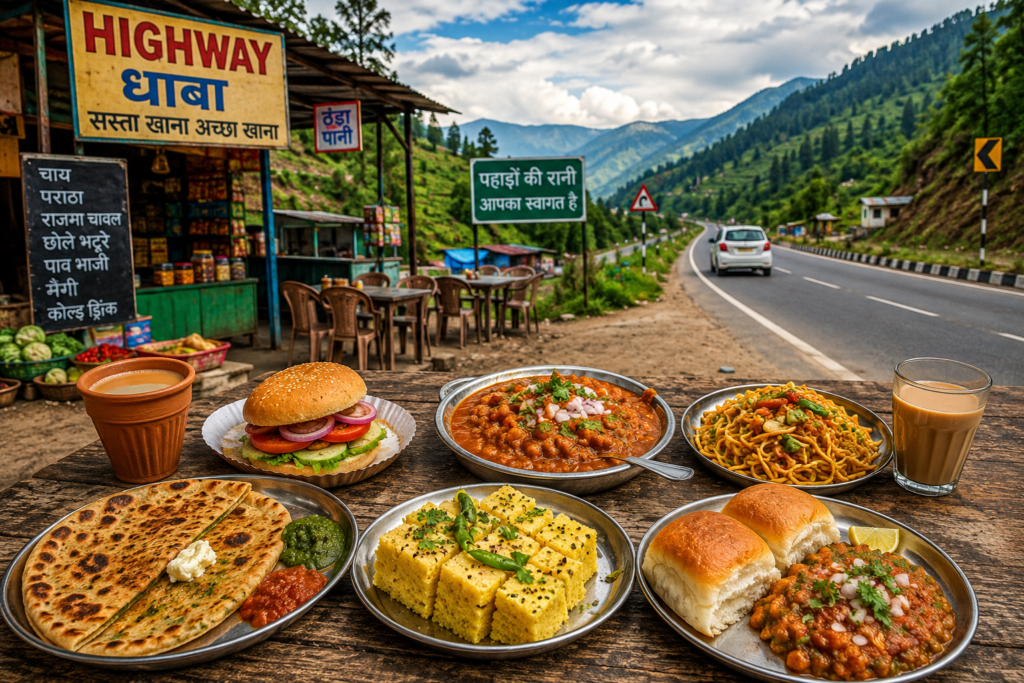
Road food is one of those simple ideas that can turn an ordinary journey into a memorable experience. At first, the phrase may sound like it simply means grabbing something to eat while traveling. In reality, road food is much more interesting than that. It can include roadside diners, food trucks, highway cafés, local bakeries, market stalls, family-run restaurants, gas-station discoveries, regional specialties, and even meals prepared from a cooler in the back of a car. It is food connected to movement, exploration, convenience, and discovery.
There is something uniquely satisfying about eating on the road. A meal tastes different when you have spent hours watching landscapes change outside the window. A cup of coffee from a small roadside café can feel more memorable than an expensive drink at home. A simple sandwich eaten at a scenic rest stop can become part of the story of a trip. Road food is not always fancy, and that is exactly what makes it special. It is usually practical, accessible, local, and full of personality.
The world of road food also tells us a lot about the places we travel through. Every region has its own flavors, cooking traditions, ingredients, and food habits. A long-distance drive can therefore become a culinary tour without requiring a formal itinerary. Instead of simply passing through towns, travelers can experience them through what people cook, sell, and eat.
This guide explores road food from every angle, including its history, cultural importance, popular categories, planning tips, healthy choices, safety considerations, regional specialties, food trucks, roadside restaurants, family road trips, budget strategies, and the future of food travel. Whether you are planning a weekend drive or a cross-country adventure, understanding road food can make the journey considerably more enjoyable.
What Exactly Is Road Food?
Road food can be broadly described as food and drinks consumed during a journey, particularly when traveling by car, bus, motorcycle, camper, or other road-based transportation. However, the definition goes beyond the simple idea of eating while traveling. Road food is often connected to the places along a route and can become an important part of the travel experience itself.
A packed lunch prepared at home technically qualifies as road food, but the term often carries a stronger cultural meaning. People frequently associate road food with roadside establishments, diners, food trucks, local cafés, market vendors, and small restaurants located near major roads. These businesses exist partly because travelers need food, but they often serve local communities as well.
The most appealing aspect of road food is its variety. One trip might include breakfast at a traditional diner, fresh fruit purchased from a roadside stand, coffee from an independent café, lunch at a food truck, and dinner at a family-owned restaurant. None of these experiences needs to be luxurious. What matters is the connection between food and the journey.
Road food is also about spontaneity. Unlike a carefully planned restaurant reservation, a roadside meal can happen because a sign catches your attention or because a small restaurant simply looks inviting. These unexpected discoveries can become some of the best memories of a trip.
The History of Road Food
Road food has developed alongside transportation. As roads became more important for trade, migration, tourism, and everyday travel, businesses naturally appeared to serve people moving between communities. Early travelers needed places to rest, eat, drink, repair vehicles, and sometimes spend the night.
The growth of automobile travel dramatically changed the food landscape. As more people began traveling longer distances by car, roadside businesses became increasingly common. Diners, cafés, roadside stands, motels, service stations, and drive-in restaurants developed around the needs of motorists.
These businesses were more than convenient stops. They often became landmarks. A distinctive sign, unusual building, famous pie, oversized burger, or locally popular dish could turn an ordinary restaurant into a destination. Travelers began sharing recommendations with friends and family, creating informal food traditions around particular roads and routes.
Today, road food continues to evolve. Modern travelers use navigation apps, online reviews, social media, and food websites to locate interesting places. Yet the fundamental experience has not changed much. People still want a good meal, a comfortable stop, and something memorable along the way.
Why Road Food Is Such an Important Part of Travel
Food can make a journey feel personal. Landscapes are beautiful, attractions are exciting, and hotels provide comfort, but meals often create emotional memories. Years later, people may forget exactly where they stopped on a particular afternoon but remember the homemade pie, spicy noodles, grilled sandwich, or strong coffee they enjoyed there.
Road food also gives travelers an opportunity to experience local culture. Instead of eating the same familiar chain meals everywhere, travelers can discover what a particular community considers special. Local ingredients and traditional recipes often reveal more about a region than a tourist brochure.
Another important benefit is connection. Roadside restaurants frequently serve both travelers and local residents. Sitting among people who live in an area provides a small glimpse into everyday life. You may hear conversations about local events, weather, sports, farming, business, or community news. These ordinary moments can make a trip feel more authentic.
Road food also encourages curiosity. A traveler who sees an unfamiliar dish on a menu may decide to try it. That small decision can introduce an entirely new flavor or cooking style. In this way, road food can gradually expand a person’s understanding of food.
The Difference Between Road Food and Fast Food
Road food and fast food are sometimes treated as the same thing, but they are not. Fast food is primarily defined by a style of service designed around speed and consistency. Road food is defined more by the travel context and can include almost any type of meal.
A fast-food restaurant can certainly be part of a road trip, especially when convenience matters. However, road food also includes slow-cooked barbecue, handmade pastries, regional soups, fresh seafood, local noodles, traditional breakfasts, farm produce, and home-style cooking.
One of the biggest advantages of exploring road food is that travelers can move beyond predictable menus. Chain restaurants have their place, particularly when families need familiar options or travelers are short on time. But independent roadside businesses often provide flavors that cannot be duplicated across every location.
The distinction is therefore simple: fast food is about a particular service model, while road food is about eating as part of the journey. Sometimes they overlap, but they are not interchangeable concepts.
The Appeal of Roadside Diners
Roadside diners have a special place in travel culture. They often have simple menus, comfortable seating, affordable meals, and a relaxed atmosphere. Some operate in modest buildings that may look unremarkable from the outside but have been serving customers for decades.
A good diner often has something for everyone. Breakfast foods may be available throughout the day, while burgers, sandwiches, soups, salads, and desserts provide plenty of choices. Coffee is usually central to the experience, especially for travelers who have spent several hours behind the wheel.
The charm of a diner also comes from its atmosphere. Booths, counter seating, handwritten specials, old photographs, local decorations, and friendly service can create a sense of familiarity. Even first-time visitors may feel as though they have stepped into a place with its own established rhythm.
For road travelers, diners are also useful because they encourage a proper break. Instead of eating quickly in a parking lot, travelers can sit down, stretch, drink water, and relax. That can make a long drive feel less exhausting.
Food Trucks and Their Role in Road Food
Food trucks have transformed the modern road food scene. They can operate in busy urban areas, near tourist attractions, at festivals, outside workplaces, or along popular travel routes. Their mobility allows them to bring food directly to customers.
One of the greatest strengths of food trucks is specialization. A truck may focus entirely on tacos, grilled sandwiches, noodles, barbecue, desserts, fried chicken, vegetarian dishes, or another specific category. Because the menu is often focused, operators can develop a strong identity around a few signature items.
Food trucks also tend to encourage creativity. Chefs can experiment with combinations that might not fit into a traditional restaurant model. Seasonal ingredients, international influences, and modern cooking techniques can all appear on food truck menus.
For travelers, food trucks provide another opportunity for discovery. Checking local food-truck schedules before a trip can reveal options that would otherwise be easy to miss. However, because food trucks may move locations or operate on changing schedules, travelers should verify details before making them a central part of their plans.
Roadside Markets and Fresh Local Food
Roadside markets are among the most enjoyable places to find road food. Depending on the region, travelers may encounter fruit stands, vegetable stalls, bakeries, cheese vendors, farmers’ markets, spice sellers, or small shops offering homemade products.
Fresh food purchased directly from local sellers can feel very different from supermarket food. Seasonal fruit, freshly baked bread, local honey, handmade preserves, and regional snacks can make excellent additions to a road trip.
Roadside markets can also provide practical benefits. Travelers can purchase ingredients for picnics rather than eating every meal at a restaurant. This approach can save money while giving travelers more control over what they eat.
There is also a cultural element. Buying from a local producer creates a direct connection between traveler and community. A short conversation with a vendor may provide recommendations for nearby attractions or other food stops.
Regional Specialties Make Road Trips More Interesting
Every region has foods that reflect its history, climate, agriculture, and cultural influences. Exploring these specialties is one of the best ways to make road travel more meaningful.
A coastal route might offer fresh seafood, while an agricultural area could be known for fruit, dairy products, grains, or locally raised meats. Mountain communities may have hearty dishes designed for colder climates, while warmer regions may emphasize lighter meals, fresh produce, spices, or grilled foods.
Regional food does not have to be complicated. Sometimes the defining specialty is a simple preparation that local people have enjoyed for generations. A particular bread, sauce, pastry, soup, or breakfast dish can become closely associated with a town.
Travelers should therefore avoid assuming that the most famous tourist restaurant is automatically the best food experience. Smaller establishments may provide more direct access to local traditions.
The Role of Breakfast in Road Food Culture
Breakfast is particularly important during road trips because it establishes the mood for the day. A satisfying breakfast can provide energy before several hours of driving and gives travelers an opportunity to start slowly.
Roadside breakfasts can range from eggs, toast, and potatoes to pancakes, oatmeal, pastries, fruit, sandwiches, rice dishes, or regional specialties. The variety depends heavily on the destination.
Coffee is often part of the ritual. For many travelers, stopping for coffee is not just about caffeine. It is a chance to stretch, use the restroom, check directions, and mentally prepare for the next part of the journey.
A good breakfast stop can also prevent later overeating. Travelers who skip breakfast may become extremely hungry and choose food based purely on speed rather than preference. Starting the day with a balanced meal makes later decisions easier.
Lunch on the Road
Lunch is often the most flexible road-trip meal. Travelers can stop at a restaurant, prepare sandwiches, visit a market, or pick up something from a food truck.
The best lunch choice depends on the day’s schedule. If there is a long stretch of driving ahead, a very heavy meal may leave passengers feeling sluggish. A lighter meal with protein, vegetables, grains, or fruit can provide steady energy.
At the same time, road trips are not everyday routines. There is nothing wrong with enjoying a memorable regional dish simply because it looks delicious. The key is balance rather than strict rules.
Lunch can also become an opportunity to explore. Instead of stopping at the first familiar restaurant, travelers can search for local establishments near their route. Even a short detour may lead to a memorable meal.
Dinner and the End of a Driving Day
Dinner often feels more significant after a long day on the road. Travelers are ready to stop driving, relax, and enjoy a proper meal.
If the day’s journey has been tiring, a comfortable restaurant may be preferable to eating quickly. A relaxed dinner gives everyone a chance to discuss the day’s experiences and decide what comes next.
Dinner is also a good time to explore regional specialties that require more preparation. Slow-cooked meats, traditional stews, seafood dishes, handmade pasta, curries, or other substantial meals may be more appropriate for an evening stop.
The ideal dinner does not necessarily need to be expensive. A small family restaurant can provide an outstanding experience when the food is fresh, the service is welcoming, and the atmosphere feels connected to the community.
Snacks: The Unsung Heroes of Road Trips
No road food discussion would be complete without snacks. Snacks help bridge the gaps between meals, particularly on long drives where restaurants may be far apart.
Good road-trip snacks are easy to store, simple to eat, and unlikely to create excessive mess. Nuts, dried fruit, fresh fruit, crackers, sandwiches, granola, popcorn, and similar foods can be useful choices.
Travelers should think about variety rather than buying enormous quantities of one item. A combination of salty, sweet, crunchy, and fresh foods can prevent snack fatigue.
It is also smart to keep snacks accessible without creating distractions for the driver. Food should ideally be handled by passengers, and anything that requires complicated preparation should be saved for a proper stop.
Drinks and Staying Hydrated
Hydration is easy to overlook during long drives. Travelers may avoid drinking because they do not want to stop frequently, but staying hydrated remains important.
Water should be the foundation of road-trip drinks. Other beverages can be included according to personal preference, but excessive caffeine or very sugary drinks may not be ideal for everyone.
A reusable bottle can reduce waste and make it easier to monitor water intake. Insulated bottles can also keep drinks at a comfortable temperature for longer periods.
Drivers should remember that hydration and rest stops are part of safe travel. Stopping for a few minutes is not a failure of efficiency. It is part of maintaining comfort and alertness.
Planning a Road Food Adventure
Planning does not mean removing spontaneity. In fact, a small amount of planning can create more freedom because travelers know where reliable options are available.
Before leaving, identify several potential food stops along the route. Include a mixture of planned restaurants, grocery stores, markets, and flexible options. This creates a backup system if a particular location is closed or unexpectedly busy.
It is also useful to research local specialties before the trip. Learning what a destination is known for can make food discoveries easier. Travelers can then recognize interesting dishes instead of overlooking them.
At the same time, avoid scheduling every meal down to the minute. Some of the best road food experiences happen when travelers notice an interesting place and decide to stop.
How to Find Great Road Food
Finding good road food requires a mixture of research and observation. Online maps and review platforms can help identify restaurants along a route, but travelers should not rely on ratings alone.
Local recommendations can be particularly valuable. Hotel staff, shopkeepers, market vendors, and residents may know places that are not heavily promoted online.
Roadside signs can also be surprisingly useful. A hand-painted sign advertising homemade pie or a local specialty may lead to a memorable meal.
When evaluating a new place, look for signs of good food-handling practices, reasonable cleanliness, fresh-looking ingredients, and steady customer activity. Popularity is not a guarantee of quality, but a restaurant serving many local customers can be worth investigating.
Why Small Local Restaurants Matter
Small restaurants contribute to the character of communities. They create jobs, preserve recipes, support local suppliers, and provide gathering places for residents.
For travelers, independent businesses can offer a more distinctive experience than standardized chains. Menus may reflect the personality of the owner or chef, and recipes may have been developed within a family over generations.
Supporting these businesses also helps distribute tourism spending beyond large companies. Even a single meal can contribute to the local economy.
That does not mean every small restaurant will be perfect. Travelers should still use common sense when choosing where to eat. But when the opportunity arises, supporting local food businesses can make a trip more meaningful.
Road Food on a Budget
Road trips can become expensive quickly, particularly when every meal is purchased at a restaurant. Fortunately, road food offers plenty of ways to control costs.
Packing some food from home is one of the easiest strategies. Sandwich ingredients, fruit, snacks, and drinks can cover several meals or fill gaps between restaurant stops.
Grocery stores are another useful resource. A quick supermarket visit can provide affordable meals, fresh produce, yogurt, bread, prepared foods, and beverages.
Travelers can also choose one or two special restaurant meals instead of eating out for every meal. This approach creates memorable experiences without turning the entire trip into a major expense.
The goal is not to make food boring. It is to spend money intentionally on the meals that matter most.
Healthy Road Food Choices
Eating well on a road trip is possible without turning the journey into a strict diet program. The simplest approach is to include variety.
Fresh fruit, vegetables, lean proteins, whole grains, nuts, yogurt, and plenty of water can provide useful balance. Travelers can combine these foods with restaurant meals and occasional treats.
Portion awareness is also helpful. Road trips often involve long periods of sitting, so extremely heavy meals may feel uncomfortable during the next driving segment.
However, healthy eating should still leave room for enjoyment. Trying a local dessert or famous specialty does not ruin a balanced trip. Food is part of the experience, and pleasure matters too.
Road Food for Families
Families have additional considerations when choosing road food. Children may become hungry unexpectedly, and younger travelers may have strong preferences.
Keeping familiar snacks available can prevent unnecessary stress. Parents can also involve children in choosing food stops, which turns meals into part of the adventure.
It helps to choose restaurants with flexible menus and comfortable seating. A location that accommodates different tastes is often more useful than a highly specialized restaurant.
Families should also keep cleanup supplies in the vehicle. Napkins, wipes, reusable containers, and bags for waste can make a significant difference during messy meals.
Vegetarian and Plant-Based Road Food
Travelers following vegetarian or plant-based diets can enjoy road food, although preparation may sometimes be necessary.
Before leaving, research restaurants along the route that offer suitable meals. Grocery stores and markets can provide additional options when restaurant choices are limited.
Simple foods can also work well. Fresh fruit, vegetables, beans, grains, nuts, sandwiches, salads, and plant-based prepared foods can form the foundation of many road-trip meals.
Communication is important when ordering. If a dish contains ingredients that are unsuitable for your dietary needs, ask questions before ordering rather than making assumptions.
Managing Food Allergies and Dietary Restrictions
Travelers with food allergies or strict dietary restrictions should approach road food carefully. A long journey can make it tempting to choose whatever is available, but safety should remain the priority.
Researching restaurants ahead of time can reduce pressure. Travelers can also carry suitable backup foods in case a restaurant cannot safely accommodate their needs.
When ordering, clearly explain the restriction to restaurant staff. Do not assume that a dish is safe simply because the main ingredients appear appropriate.
If the consequences of an accidental exposure could be serious, travelers should follow the personal safety plan recommended by their healthcare professional and avoid unnecessary uncertainty.
Food Safety During Road Trips
Food safety becomes particularly important when meals are carried in a vehicle. Perishable foods need appropriate temperature control and should not be left in a hot car for extended periods.
A quality cooler with sufficient ice or cold packs can help maintain safe temperatures. Separate raw foods from ready-to-eat foods, and keep packaging sealed to prevent contamination.
Clean hands and utensils matter too. Hand sanitizer can be useful when proper handwashing facilities are unavailable, although washing with soap and water remains preferable when possible.
When in doubt about a perishable food that has been stored improperly, throwing it away is generally better than taking an unnecessary risk.
The Importance of Rest Stops
Rest stops are not simply places to use the restroom. They are opportunities to reset during a long journey.
A short walk can help passengers stretch after sitting for hours. Drivers can use the break to drink water, check navigation, and assess their energy level.
Food also tastes better when eaten without rushing. Instead of trying to eat while driving, stop somewhere safe and give the meal proper attention.
A road trip is not a race. Building reasonable breaks into the journey can make the entire experience safer and more enjoyable.
Eating While Driving: Why It Is a Bad Idea
Eating while driving may seem convenient, but it creates unnecessary distractions. Opening packaging, handling hot food, reaching for drinks, or cleaning spills can take attention away from the road.
Even a small distraction can matter when traffic conditions change suddenly.
Passengers should handle food whenever possible. If the driver needs something, the safest solution is usually to wait until the next safe stopping location.
Road food is supposed to improve the journey, not create avoidable danger. A few extra minutes at a rest area are worth it.
The Psychology of Food and Travel Memories
Food is strongly connected to memory. Smell and taste can trigger detailed recollections, which helps explain why travelers often remember meals for years.
A particular breakfast may remind someone of a family vacation. A roadside dessert may become associated with a first solo trip. A shared meal with friends can become part of the emotional identity of an entire journey.
This is why ordinary food can sometimes become extraordinary in retrospect. Context changes perception.
Travelers can make this even stronger by documenting food experiences. Taking a photograph, writing down the name of a dish, or keeping a simple travel journal can preserve those memories.
Road Food and Local Culture
Food is a form of cultural communication. Recipes can reveal migration patterns, agricultural traditions, religious influences, trade connections, and historical changes.
When travelers eat local food, they are participating in a small part of that cultural story.
Respect matters. Travelers should approach unfamiliar dishes with curiosity rather than immediately judging them according to their own habits.
Learning the story behind a food can make the experience richer. A simple dish may have a long history that gives it meaning beyond its ingredients.
Street Food as Road Food
Street food is one of the most exciting categories of road food. Vendors often specialize in foods that are quick, flavorful, affordable, and easy to eat.
Depending on the location, street food may include grilled meats, flatbreads, dumplings, noodles, fried snacks, sandwiches, sweets, fruit, or countless regional specialties.
Travelers should still consider hygiene and food-handling practices. Busy stalls with high turnover can sometimes be preferable to food that appears to have been sitting for a long time, but conditions vary.
The best street-food experiences often happen when travelers are willing to step outside familiar choices and try something genuinely local.
The Charm of Roadside Bakeries
Roadside bakeries deserve special attention. Fresh bread and pastries can be ideal travel food because many items are portable and easy to share.
A local bakery may offer specialties that cannot be found elsewhere. Regional breads, filled pastries, cakes, cookies, and savory baked goods can provide a delicious snapshot of local traditions.
Bakeries also make convenient stops because travelers can buy food for later rather than eating everything immediately.
For families, bakery stops can become a fun ritual. Everyone can choose one item, creating a small food adventure without requiring a long restaurant meal.
Coffee Culture on the Road
Coffee has become almost inseparable from road travel. Many travelers use coffee stops as natural breaks in their journey.
Independent cafés can be particularly interesting because their menus and atmosphere often reflect the local community. A small café may have locally roasted beans, regional pastries, or a distinctive style.
However, travelers should remember that caffeine affects people differently. Coffee can provide alertness for some people, but it is not a substitute for adequate sleep.
If you are tired enough that you are struggling to remain alert, stopping to rest is more important than simply buying another coffee.
Road Food and Scenic Stops
Combining food with scenery can create some of the most memorable moments of a trip. A simple meal can feel special when eaten beside a beautiful landscape.
Picnic areas, parks, viewpoints, beaches, lakesides, and designated rest areas can all provide opportunities for outdoor meals where permitted.
Travelers should respect local rules and leave the area clean. Carrying reusable containers and disposing of waste properly helps protect the places that make road trips enjoyable.
The best scenic meal does not require expensive equipment. A sandwich, fruit, cold drink, and comfortable place to sit can be enough.
Road Food and Spontaneity
One of the greatest pleasures of road travel is not knowing exactly what will happen next. Road food fits naturally into that uncertainty.
A restaurant sign may appear unexpectedly. A local market may be holding an event. A town may have a specialty that you never knew existed.
Leaving some space in the schedule allows travelers to take advantage of these opportunities.
Of course, complete spontaneity is not always practical. Long routes, dietary restrictions, family needs, and limited operating hours can require planning. The best approach is a balance between preparation and flexibility.
How Technology Has Changed Road Food
Technology has made discovering food on the road much easier. Digital maps can show restaurants, opening hours, reviews, photos, menus, and directions.
Travelers can also search social media for recommendations and see what dishes are currently popular.
However, technology should be treated as a tool rather than an absolute authority. Online information can become outdated, and highly rated restaurants may not suit every traveler.
Combining digital research with local recommendations and personal observation usually produces better results.
Reviews: How to Read Them Intelligently
Online reviews can be helpful, but travelers should read them critically. A single negative review does not necessarily mean a restaurant is bad, just as one glowing review does not guarantee perfection.
Look for patterns. If many customers mention the same positive or negative issue, the information becomes more useful.
Recent reviews are generally more relevant than very old ones because businesses change over time.
It is also useful to consider what reviewers actually value. Someone looking for luxury may criticize a casual roadside diner that another traveler considers charming and affordable.
The Role of Nostalgia in Road Food
Road food often carries a strong sense of nostalgia. Classic diners, old signs, roadside stands, and traditional recipes can remind travelers of earlier eras.
Nostalgia can also be personal. A certain snack may remind someone of childhood road trips, while a particular restaurant may become associated with family traditions.
This emotional connection is one reason road food continues to matter even as travel technology changes.
People do not travel only to reach destinations. They travel to collect experiences, and food is one of the easiest ways to attach emotion to a journey.
Road Food and the Local Economy
Food businesses benefit communities by creating employment and generating demand for local products.
Restaurants purchase ingredients, bakeries purchase flour and dairy products, markets sell agricultural goods, and food trucks employ cooks and service workers.
Travelers therefore influence local economies through their food choices.
Choosing local businesses when appropriate can help keep tourism spending within the community. Even small purchases contribute to the larger economic ecosystem surrounding a travel destination.
Sustainable Road Food Practices
Road trips can produce significant waste, particularly from disposable cups, containers, wrappers, and plastic bottles.
Travelers can reduce waste by carrying reusable water bottles, utensils, containers, and shopping bags.
Buying local food can sometimes reduce transportation distances, although sustainability depends on many factors and should not be oversimplified.
The most practical goal is to reduce unnecessary waste while still keeping the journey convenient and enjoyable.
Packing a Road Food Cooler
A cooler can dramatically improve the flexibility of a road trip. It allows travelers to carry drinks, fruit, sandwiches, dairy products, and other temperature-sensitive foods.
Organization matters. Frequently used items should be easy to reach, while foods that need stronger cooling should be placed appropriately within the cooler.
Use sufficient cold packs or ice, and avoid leaving the cooler open unnecessarily.
A well-organized cooler can reduce the need for expensive convenience-store purchases while making spontaneous picnics much easier.
Essential Road Food Equipment
Travelers do not need a huge collection of equipment. A few practical items can make meals easier.
Reusable water bottles, food containers, napkins, utensils, a cooler, waste bags, and cleaning wipes are useful basics.
A small cutting board and simple utensils can help with prepared food, although travelers should avoid creating complicated food-preparation tasks inside a moving vehicle.
The best road-trip equipment is simple, durable, and easy to clean.
Road Food for Solo Travelers
Solo road trips provide unusual freedom because one person controls the schedule and food choices.
A solo traveler can stop whenever something looks interesting. There is no need to negotiate menu preferences with a group.
However, solo travelers should pay extra attention to fatigue and safety. There is no second driver to share the workload, so rest becomes especially important.
Solo meals can also be opportunities for reflection. Sitting at a local café with a notebook or simply watching the surrounding community can become a memorable part of the journey.
Road Food for Couples
Food can add a romantic element to road travel. Couples can turn ordinary stops into shared experiences by choosing restaurants together or preparing picnics.
Trying unfamiliar foods can also become a small adventure. Even when a dish turns out not to be a favorite, the experience becomes part of the trip’s story.
Couples should also remember that road trips can be tiring. Comfortable meal stops and reasonable breaks can prevent minor frustrations from becoming larger problems.
Road Food for Groups of Friends
Friend groups often make road food more social. Sharing dishes allows everyone to try several flavors without ordering a full portion of each item.
Group travel also creates an opportunity for food debates, recommendations, jokes, and spontaneous decisions.
However, large groups may require more planning. Some small restaurants have limited seating, and popular locations can become difficult to accommodate without preparation.
A little coordination before the trip can prevent unnecessary delays.
Road Food and Cultural Curiosity
Trying local food requires an open mind. Travelers should not expect every dish to match their familiar preferences.
Different regions use ingredients, textures, spices, cooking methods, and combinations that may initially seem unusual.
Instead of immediately deciding that something looks strange, ask what makes it special. Learning about a dish often changes the way it is perceived.
Curiosity is one of the most valuable qualities a traveler can have, and food provides an easy way to practice it.
Common Road Food Mistakes
One common mistake is waiting until everyone is extremely hungry before stopping. Hunger can turn a small delay into an argument.
Another mistake is relying entirely on convenience stores or fast-food chains. These options are useful, but depending on them exclusively can make the trip less interesting.
Travelers may also overpack food and end up carrying unnecessary items for the entire journey.
Finally, some people focus so heavily on reaching the destination that they forget to enjoy the route. Road food is a reminder that the journey itself has value.
How to Create a Road Food Route
A dedicated food route can transform a normal drive into a culinary adventure.
Start by identifying the major destinations and then research distinctive food stops between them. Look for local specialties, independent restaurants, bakeries, markets, and food trucks.
Choose a manageable number of stops rather than trying to visit everything. Too many food stops can make the journey exhausting.
It is also smart to leave room for unexpected discoveries. A planned route should provide structure without eliminating spontaneity.
Documenting Your Road Food Experiences
Photography is an easy way to document road food. Take pictures of memorable dishes, restaurant signs, menus, markets, and interesting roadside scenery.
Writing down the names of restaurants and dishes is even more useful because photographs alone may not preserve the details.
Some travelers create digital food journals, while others keep simple notebooks.
The goal is not to become a professional food critic. It is simply to preserve the experiences that made the journey special.
What Makes Road Food Truly Memorable?
Great road food is not necessarily the most expensive or visually impressive meal. Memorable road food usually combines several elements.
There may be good flavor, friendly service, an interesting location, a regional connection, or a surprising discovery.
Context matters enormously. A basic meal eaten after a beautiful drive can feel more meaningful than an elaborate meal eaten in an ordinary setting.
The strongest road food memories often involve people as much as food. Sharing a meal with family, friends, or even a friendly local can turn a simple stop into a story worth telling.
The Future of Road Food
Road food will continue changing as transportation, technology, food preferences, and consumer expectations evolve.
Food trucks and mobile kitchens are likely to remain important. Digital ordering may make roadside stops more efficient, while navigation technology can help travelers discover restaurants with increasingly precise recommendations.
Sustainability will also influence the industry. Travelers are becoming more aware of waste, packaging, local sourcing, and responsible consumption.
Despite these changes, the central idea of road food will remain familiar: people traveling from one place to another will always need to eat, and those meals will continue to shape the journey.
Why Road Food Is More Than Just a Meal
Road food represents freedom, discovery, convenience, culture, and connection. It turns highways and local roads into part of the dining experience.
A meal on the road can introduce travelers to a new region, support a small business, create a family tradition, or simply provide comfort after a long drive.
The beauty of road food is that it does not require perfection. The best experience might come from a famous restaurant, or it might come from a tiny café that you almost passed without noticing.
What matters is the willingness to stop, explore, taste, and pay attention.
Final Thoughts on Road Food
Road food is one of the simplest ways to make travel more memorable. It connects people with places through flavors that cannot be fully experienced through photographs or guidebooks. Every road has the potential to reveal something interesting, whether that means a regional specialty, a family-owned diner, a roadside bakery, a busy food truck, or a local market.
The smartest approach is to combine preparation with curiosity. Pack practical snacks, carry water, identify a few reliable stops, and think about dietary or safety needs before leaving. Then allow yourself enough flexibility to explore.
Do not judge a restaurant solely by its appearance, and do not assume that expensive food automatically creates the best memory. Some of the most enjoyable meals are simple, affordable, and deeply connected to the place where they are served.
Most importantly, remember that road trips are about more than reaching a destination. The drive itself is part of the experience. The landscapes, conversations, unexpected turns, roadside signs, rest stops, and meals all become pieces of the journey.
That is why road food deserves more attention than it usually receives. It is not merely something to eat between destinations. It is a way of experiencing travel, understanding local culture, supporting communities, and creating memories one meal at a time.
So, the next time you head out on the road, consider leaving a little room in your schedule for food discovery. Stop at the small café. Try the regional specialty. Buy something fresh from the roadside market. Share a meal with the people traveling beside you. Take a picture if the moment feels special.
You may eventually forget how many miles you drove, but there is a good chance you will remember that one unforgettable meal you discovered along the way.
YOU MAY HAVE MISSED