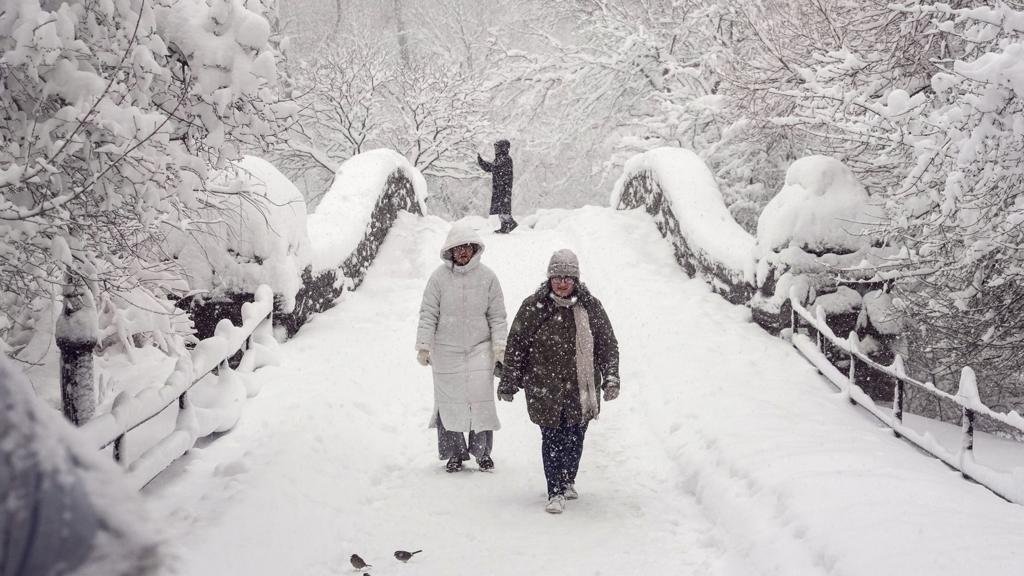
A winter storm can transform an ordinary day into a serious weather event in just a few hours. Heavy snow, freezing rain, sleet, strong winds, and dangerously low temperatures can affect roads, homes, businesses, transportation, and outdoor activities. While winter weather can look beautiful, severe conditions can create significant safety challenges.
Understanding how winter storms develop and what makes them dangerous is one of the best ways to prepare. A little planning before the weather becomes severe can make a major difference when roads become difficult to travel or power supplies are interrupted. Knowing what to expect also helps families make better decisions during rapidly changing conditions.
This guide explains winter storms in simple terms, including how they form, the different types of winter precipitation, common dangers, preparation strategies, travel advice, and what to do after a storm. Whether you live in an area that regularly experiences snow or you occasionally face unusual winter weather, being prepared is always useful.
What Is a Winter Storm?
A winter storm is a weather system that produces significant amounts of snow, sleet, freezing rain, or a combination of winter precipitation. Some storms are relatively mild, while others can bring blizzard conditions, dangerous ice accumulation, freezing temperatures, and widespread travel disruptions. The exact effects depend on temperature, moisture, wind, geography, and the storm’s movement.
Winter storms often develop when cold air interacts with moist air. If temperatures remain below freezing throughout the atmosphere, precipitation may fall as snow. When warmer air exists above a layer of cold air near the ground, precipitation can become sleet or freezing rain instead. This is why two nearby locations can experience very different conditions during the same storm.
The phrase “winter storm” covers a broad range of weather events. A storm does not necessarily need to produce enormous snowfall to be dangerous. A relatively small amount of freezing rain can create hazardous roads, sidewalks, and power lines. Similarly, strong winds combined with snow can dramatically reduce visibility and make travel extremely difficult.
How Does a Winter Storm Form?
Winter storms generally require several ingredients to come together. Moisture provides the precipitation, while sufficiently cold air determines whether that precipitation reaches the ground as snow, sleet, or freezing rain. Atmospheric instability and large-scale weather patterns can then help organize these ingredients into a powerful storm system.
One common setup involves a low-pressure system moving across a region while cold air remains near the surface. As moist air rises, it cools and condenses, producing clouds and precipitation. If the vertical temperature structure is cold enough, snow can develop and reach the surface without melting.
The track of a storm is also extremely important. A small change in its path can move the heaviest snow, strongest winds, or freezing precipitation into a different area. This is one reason weather forecasts may change as a storm approaches. Meteorologists continuously examine atmospheric observations and computer forecast models to understand how the storm is likely to behave.
Different Types of Winter Storms
Not every winter storm looks the same. Some produce fluffy snow, while others are dominated by ice or strong winds. Understanding the differences can help people recognize the specific hazards associated with each type of event.
A snowstorm occurs when sufficient snow falls over a period of time to create noticeable accumulation. Heavy snow can cover roads, block entrances, weigh down trees, and make driving difficult. The impact depends not only on total snowfall but also on temperature, wind, timing, and how quickly snow accumulates.
Ice storms can be particularly troublesome. Freezing rain falls as liquid but freezes when it contacts surfaces that are at or below freezing. Ice can accumulate on roads, sidewalks, trees, and utility lines. Even a relatively thin layer can create slippery conditions, while heavier accumulation can damage trees and contribute to power outages.
What Is a Blizzard?
A blizzard is a particularly dangerous type of winter weather characterized by strong winds and severely reduced visibility caused by falling or blowing snow. Importantly, a blizzard is not defined simply by how much snow falls. Strong wind and visibility conditions are central to the definition.
During a blizzard, blowing snow can make it difficult to see roads, buildings, traffic signs, and other landmarks. Drivers may lose their sense of direction even when they are relatively close to their destination. Whiteout conditions can develop quickly, creating an especially dangerous environment for anyone traveling outdoors.
Blizzard conditions can also create extreme wind chill. When strong winds combine with cold temperatures, exposed skin can lose heat rapidly. For this reason, people should avoid unnecessary outdoor activity during severe winter weather and follow official warnings from local authorities and weather agencies.
Why Can Winter Storms Be Dangerous?
One of the biggest dangers associated with a winter storm is transportation. Snow and ice can reduce traction, cover road markings, obstruct visibility, and increase stopping distances. Even experienced drivers can encounter unexpected hazards when weather conditions deteriorate quickly.
Cold temperatures create additional risks. Extended exposure to severe cold can lead to conditions such as hypothermia and frostbite. The risk becomes greater when people are wet, exposed to strong winds, or unable to reach a warm shelter. Children, older adults, and people who spend significant time outdoors can require additional protection during extreme cold.
Winter storms can also affect essential services. Heavy snow, ice, and wind can damage trees and utility infrastructure, potentially causing power outages. Heating systems may become difficult to operate during an outage, especially when temperatures remain very low. Having emergency supplies available before a storm arrives can reduce the stress associated with these situations.
How to Prepare for a Winter Storm
Preparation should begin before severe weather arrives. Waiting until the first snowflakes fall can make it harder to find essential supplies because stores may become crowded and transportation can become difficult. A basic winter emergency kit is a practical starting point for most households.
Useful supplies may include drinking water, shelf-stable food, flashlights, extra batteries, a first-aid kit, blankets, warm clothing, necessary medications, chargers, and basic household supplies. If you rely on important electronic devices, keeping them charged before the storm can also be helpful.
It is equally important to prepare your home. Check heating equipment, close drafts around doors and windows, and make sure smoke and carbon monoxide detectors are functioning properly. If you use alternative heating equipment, follow the manufacturer’s safety instructions and never use equipment indoors unless it is specifically designed and approved for indoor use.
Preparing Your Vehicle for Winter Weather
Your vehicle should also be prepared before a major winter storm. Tires with appropriate tread and proper inflation can improve traction, while maintaining sufficient fuel or battery charge gives you more flexibility if roads become congested or travel takes longer than expected.
A winter emergency kit for your vehicle can include blankets, water, snacks, a flashlight, basic first-aid supplies, a phone charger, and other useful emergency equipment. Depending on local conditions, items such as an ice scraper, traction equipment, or appropriate winter clothing may also be valuable.
Before driving during a winter storm, consider whether the trip is genuinely necessary. Road conditions can deteriorate faster than expected. If authorities advise people to stay off the roads, following that guidance can help protect both travelers and emergency responders who may otherwise have to assist stranded motorists.
Winter Storm Travel Safety
If you must travel during winter weather, slow down and leave more space between your vehicle and the traffic ahead. Snow and ice can dramatically increase stopping distances. Sudden braking, sharp turns, and rapid acceleration can cause a vehicle to lose traction.
Visibility can be another major challenge. Falling snow, blowing snow, freezing rain, and road spray can make it difficult to see clearly. Keep your windshield clean and use appropriate lights when visibility is reduced. Avoid using cruise control on slippery roads because maintaining direct control over speed is important when traction changes.
If conditions become too dangerous, find a safe location to stop rather than continuing simply to reach your destination quickly. If you become stranded, remain with your vehicle when it is safer to do so, conserve your battery and fuel, and contact emergency services when necessary. Make sure your vehicle’s exhaust pipe remains clear of snow if the engine must be operated, because blocked exhaust can allow carbon monoxide to accumulate.
How Winter Storms Affect Communities
The effects of a winter storm can extend far beyond individual households. Schools may close, flights can be delayed or canceled, public transportation can be disrupted, and businesses may temporarily shut down. Municipal workers may spend hours clearing roads and treating icy surfaces.
Utility systems can also come under pressure. Heavy ice can add substantial weight to tree branches and utility lines, while strong winds can cause additional damage. Power outages may last longer when crews cannot safely reach affected areas because roads are blocked or conditions remain dangerous.
Winter storms can also affect supply chains. Deliveries may be delayed, transportation networks can become slower, and some communities may temporarily have difficulty receiving essential goods. This is another reason why maintaining a reasonable household supply of food, water, and basic necessities can be useful during periods of severe weather.
Staying Safe During a Power Outage
A power outage during a winter storm can be uncomfortable and potentially dangerous, especially if temperatures inside the home fall significantly. Keep doors and windows closed as much as possible to preserve indoor heat. Dress in layers and use blankets to stay warm.
Alternative heating methods require careful attention. Never use a barbecue grill, outdoor camping stove, generator, or other fuel-burning device indoors unless it is specifically designed for safe indoor use. Carbon monoxide is an invisible and potentially deadly gas that can accumulate in enclosed spaces.
Generators should always be operated outdoors and positioned well away from doors, windows, and ventilation openings. Follow the manufacturer’s instructions and local safety guidance. If you depend on electrically powered medical equipment or another essential device, make an emergency plan before winter weather arrives.
Protecting Children and Older Adults
Children may be excited by snow and winter weather, but severe conditions require close supervision. Make sure children wear appropriate layers, including warm outer clothing, gloves or mittens, hats, and suitable footwear. Wet clothing should be changed as soon as possible.
Older adults can face additional challenges during winter storms, particularly if they live alone or have difficulty traveling through snow and ice. Checking on relatives, friends, or neighbors can help identify problems before they become emergencies.
Community support can be especially valuable after a major storm. Simple actions such as checking whether a neighbor has heat, food, or a safe way to obtain necessary supplies can make a meaningful difference. However, people should not place themselves in dangerous conditions while attempting to help others.
What to Do After a Winter Storm
The end of snowfall does not necessarily mean the hazards are gone. Roads can remain icy, roofs may carry heavy snow loads, and fallen trees or power lines can create serious dangers. Continue following local safety information until authorities indicate that conditions have improved.
When clearing snow, take your time and avoid unnecessary physical strain. Snow can be surprisingly heavy, particularly when it is wet. People who are not accustomed to strenuous activity should be cautious about shoveling large amounts of snow at once.
Be especially careful around damaged utility lines and trees. Never assume a fallen power line is safe simply because it appears inactive. Keep away and report dangerous infrastructure to the appropriate utility or emergency authority. The same principle applies to damaged buildings, unstable trees, and other hazards created by the storm.
Winter Storm Forecasts and Weather Warnings
Weather forecasts are among the most useful tools for preparing for severe winter conditions. Forecasts can provide information about expected snowfall, freezing precipitation, wind, temperature, and timing. However, forecasts are not guarantees, particularly when storms are still several days away.
As a storm gets closer, forecasts generally become more specific. People should pay attention to official weather warnings and updates rather than relying entirely on old forecasts shared on social media. Conditions can change, and the most recent information may provide important updates about storm intensity or timing.
It is useful to understand the difference between a weather watch and a warning. A watch generally indicates that conditions are favorable for a potentially hazardous event, while a warning indicates that dangerous conditions are occurring or expected soon, depending on the weather agency and specific hazard. Always follow the terminology and instructions used by your local authorities.
Common Mistakes People Make During Winter Storms
One common mistake is underestimating ice. Snow is easy to see, but freezing rain can create an extremely slippery surface that looks merely wet. People may step outside or drive normally without realizing how little traction is available.
Another mistake is waiting too long to prepare. When a severe storm is approaching, essential supplies can become difficult to obtain. Preparing early allows people to avoid unnecessary travel and focus on staying safe when conditions deteriorate.
Some people also assume that a familiar route will remain safe simply because they have driven it many times before. Winter conditions can completely change a familiar road. Snow-covered surfaces, black ice, reduced visibility, fallen branches, and abandoned vehicles can make ordinary routes significantly more dangerous.
The Importance of a Winter Emergency Plan
Every household can benefit from having a simple emergency plan. Family members should know how they will communicate if mobile networks become unreliable and where they can safely gather if they need to leave the home.
The plan should consider several possibilities, including a power outage, road closure, heating failure, or temporary loss of communication. Keep important contact information available in more than one format, particularly if everyone normally relies on smartphones.
Pets should also be included in the plan. Make sure they have sufficient food, water, shelter, and appropriate protection from cold weather. During severe storms, keeping pets indoors is generally safer than allowing them to remain outside for extended periods.
Winter Storms and Changing Weather Patterns
Winter storms are influenced by large-scale atmospheric patterns, ocean conditions, temperature distributions, and many other factors. Scientists study these patterns to better understand how winter weather develops and changes over time.
Climate and weather are related but are not the same thing. A single winter storm represents a short-term weather event, while climate describes long-term patterns and averages. Therefore, one unusually snowy or unusually warm winter does not by itself establish a long-term climate trend.
Researchers use long-term observations to examine changes in temperature, precipitation, snow cover, and the characteristics of extreme weather. Understanding these broader patterns can help communities plan infrastructure and emergency services for future weather conditions.
How Technology Helps During Winter Storms
Modern technology has significantly improved the way people monitor winter weather. Weather satellites, radar systems, computer models, automated weather stations, and mobile alerts provide information that can help communities prepare for approaching storms.
Smartphones can also provide emergency notifications, road-condition updates, weather alerts, and communication with family members. However, technology should not be the only part of an emergency plan. Power outages and weak cellular signals can limit access to digital information.
A good approach is to combine technology with traditional preparation. Keep a battery-powered radio or another backup information source available, maintain physical emergency supplies, and know how to contact local emergency services if electronic communication becomes difficult.
Final Thoughts on Winter Storm Safety
A winter storm can be beautiful, disruptive, or dangerous depending on its intensity and the conditions it creates. Snow, freezing rain, sleet, strong winds, and extreme cold can affect nearly every part of daily life, from transportation and electricity to heating and communication.
The most effective response is preparation rather than panic. Understanding the forecast, keeping emergency supplies available, preparing your home and vehicle, and knowing when to avoid unnecessary travel can reduce many of the risks associated with severe winter weather.
Most importantly, respect changing conditions. A road that was safe an hour ago may become hazardous quickly, and a storm that initially appears manageable can intensify. By staying informed, planning ahead, and making careful decisions, individuals and families can handle winter weather more safely and confidently.
YOU MAY HAVE MISSED