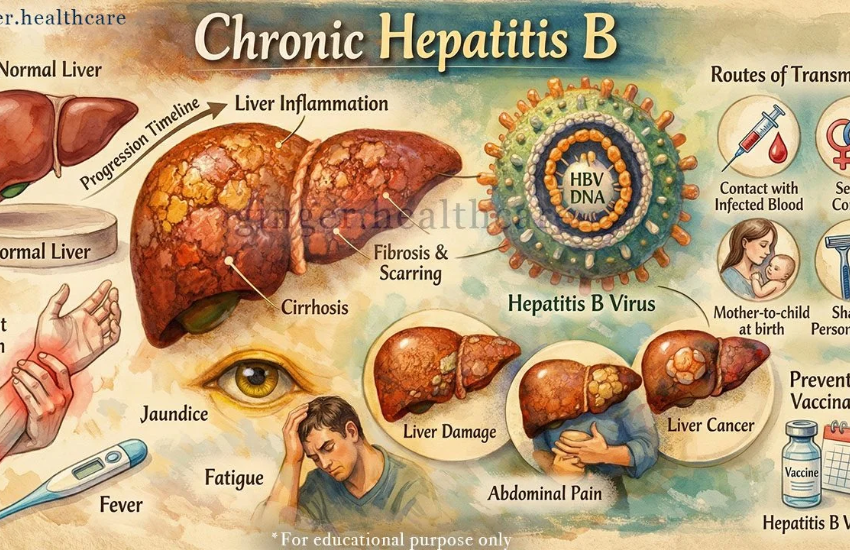
Hepatitis B is a viral infection that affects the liver and can cause both short-term and long-term health problems. It is one of the most important liver-related conditions worldwide because millions of people live with the virus, sometimes without knowing they have it. While some people recover naturally after developing an acute infection, others develop chronic hepatitis B, which can remain in the body for many years and potentially lead to serious liver complications.
One of the biggest challenges with hepatitis B is that it does not always produce noticeable symptoms. A person may feel completely healthy while carrying the virus and may unknowingly transmit it to someone else. This makes awareness, testing, vaccination, and proper medical care especially important. Fortunately, modern medicine offers effective ways to prevent hepatitis B and manage chronic infections.
Whether you are researching hepatitis B for general knowledge, trying to understand its symptoms, or learning about available treatment options, understanding the condition can help you make informed decisions. The good news is that hepatitis B is preventable through vaccination, and people living with chronic hepatitis B can often maintain a healthy and productive life with appropriate medical monitoring.
Let’s go through everything you need to know about hepatitis B, including how it spreads, what symptoms to recognize, how doctors diagnose it, and which treatments can help protect your liver.
What Is Hepatitis B?
Hepatitis B is a liver infection caused by the hepatitis B virus, commonly abbreviated as HBV. The virus enters the body and targets liver cells, where it can trigger inflammation. The liver is responsible for several essential functions, including filtering harmful substances from the blood, processing nutrients, storing energy, and producing proteins that help the body function properly.
When hepatitis B affects the liver, inflammation can interfere with some of these functions. The severity of the infection varies from person to person. Some individuals experience a temporary illness and recover completely, while others develop a persistent infection that requires long-term medical attention.
Hepatitis B can occur in two main forms: acute and chronic. Acute hepatitis B refers to a relatively recent infection that lasts less than six months. Chronic hepatitis B occurs when the virus remains in the body for at least six months. The likelihood of developing chronic infection depends heavily on the age at which someone becomes infected.
For example, adults who acquire hepatitis B usually have a strong immune response and most clear the infection naturally. However, babies and young children are much more likely to develop chronic hepatitis B after exposure. This is one reason why vaccination during infancy is considered essential.
What Causes Hepatitis B?
The hepatitis B virus is responsible for causing the infection. It belongs to a group of viruses that specifically affect the liver. When HBV enters the bloodstream, it can reach liver cells and begin reproducing. The immune system recognizes the infected cells and attempts to control the virus, sometimes producing inflammation that damages liver tissue.
Unlike certain respiratory viruses, hepatitis B does not normally spread through coughing, sneezing, hugging, or sharing meals. Instead, transmission generally occurs when infected blood, semen, or vaginal fluids enter another person’s body. Even small amounts of infected blood can potentially transmit the virus under certain circumstances.
Several situations can increase the possibility of exposure. These include unprotected sexual contact with an infected person, sharing needles or syringes, receiving contaminated blood products, and using improperly sterilized medical or tattooing equipment. Transmission can also occur from an infected mother to her baby during childbirth.
It is important to understand that hepatitis B is not caused by poor hygiene, eating contaminated food, drinking unclean water, or ordinary social contact. Knowing the actual transmission routes helps reduce unnecessary fear and prevents discrimination against people living with the infection.
Acute Hepatitis B vs. Chronic Hepatitis B
Acute and chronic hepatitis B are different stages of infection, and understanding the distinction is important when discussing treatment and long-term health.
Acute hepatitis B develops shortly after a person becomes infected. Many adults do not experience noticeable symptoms, while others develop fatigue, nausea, abdominal discomfort, dark urine, and yellowing of the skin or eyes. Most healthy adults with acute hepatitis B eventually clear the virus without needing antiviral medication.
Chronic hepatitis B develops when the immune system does not completely eliminate the virus. The infection remains in the body for six months or longer. Some people have very low levels of viral activity for years, while others experience ongoing inflammation and liver damage.
Chronic hepatitis B does not automatically mean that someone will develop severe liver disease. The risk depends on several factors, including viral activity, liver inflammation, age, family history, alcohol consumption, and the presence of other medical conditions. Regular medical monitoring allows healthcare professionals to identify changes before serious complications develop.
Key differences between acute and chronic hepatitis B
| Feature | Acute hepatitis B | Chronic hepatitis B |
|---|---|---|
| Duration | Less than 6 months | 6 months or longer |
| Typical outcome | Often clears naturally in adults | Virus persists |
| Symptoms | May be noticeable or absent | Often absent initially |
| Treatment | Usually supportive care | Monitoring and sometimes antiviral medication |
| Long-term risks | Usually low after recovery | Possible cirrhosis and liver cancer |
Common Symptoms of Hepatitis B
One of the most challenging aspects of hepatitis B is that many infected people do not experience symptoms. Someone can carry the virus for years without realizing anything is wrong. This is particularly common in people with chronic hepatitis B, especially during periods when liver inflammation is limited.
When symptoms do appear, they may develop several weeks or months after exposure. The exact timing varies, and the severity can range from mild discomfort to a more serious illness. Some people initially mistake the symptoms for an ordinary viral infection, which can delay testing and diagnosis.
Common symptoms of hepatitis B include:
- Unusual tiredness and weakness.
- Loss of appetite.
- Nausea and vomiting.
- Pain or discomfort in the upper-right side of the abdomen.
- Dark-colored urine.
- Pale or clay-colored stools.
- Joint and muscle pain.
- Fever.
- Yellowing of the skin and eyes, known as jaundice.
- General discomfort or a feeling of being unwell.
These symptoms are not exclusive to hepatitis B. Other liver conditions and infections can cause similar problems. Therefore, a person should not assume they have hepatitis B based only on symptoms. A blood test is necessary to determine whether the virus is present.
Early Warning Signs of Hepatitis B
Early warning signs can be subtle, which is why people sometimes overlook them. Fatigue is one of the symptoms that may appear first. Someone may feel unusually exhausted even after getting enough sleep or completing ordinary daily activities.
Digestive problems can also occur during the early stages of infection. These may include nausea, reduced appetite, vomiting, and a general feeling of discomfort after eating. Some individuals experience mild abdominal pain, particularly around the upper-right side of the stomach, where the liver is located.
Another possible warning sign is a change in urine color. Dark urine can occur when bilirubin builds up in the bloodstream and is passed through the kidneys. In some cases, the whites of the eyes or the skin may also begin to look yellow.
Not everyone experiences these early signs, and their absence does not rule out infection. People who have had a possible exposure should consider getting tested rather than waiting for symptoms to develop.
How Does Hepatitis B Spread?
Hepatitis B spreads when infected blood or certain body fluids enter the body of someone who does not have immunity against the virus. The virus is highly infectious and can survive outside the body for at least seven days under certain conditions. During this period, contaminated blood can remain a potential source of infection if it enters another person’s body through broken skin or other exposure routes.
The most common transmission routes include:
- Mother-to-child transmission: An infected mother can pass hepatitis B to her baby during childbirth. Without appropriate preventive measures, newborns have a particularly high risk of developing chronic infection.
- Sexual contact: Having unprotected sexual contact with an infected person can transmit the virus through infected bodily fluids.
- Shared needles: Sharing needles, syringes, or other injection equipment can expose someone to infected blood.
- Contaminated medical equipment: Reusing needles or improperly sterilized instruments can spread HBV.
- Tattooing and piercing: Equipment that has not been properly sterilized can carry infected blood.
- Blood exposure: Accidental needlestick injuries and contact with infected blood through damaged skin can result in transmission.
Understanding these routes is especially important in healthcare environments, where workers may accidentally come into contact with infected blood. Proper sterilization, protective equipment, safe injection practices, and vaccination help reduce the risk.
Can Hepatitis B Spread Through Everyday Contact?
No, hepatitis B does not normally spread through everyday social interactions. You cannot catch the infection simply by sitting next to someone, shaking hands, hugging, sharing a classroom, or working in the same office.
Sharing food, drinking from the same glass, using the same plates, or eating meals prepared by someone with hepatitis B does not normally transmit the virus. The infection is not spread through contaminated food or water, either.
However, people should avoid sharing personal items that may contain blood, such as razors, toothbrushes, or nail clippers. Even tiny amounts of infected blood can create a transmission risk if they enter another person’s bloodstream through damaged skin.
These facts are important because people living with hepatitis B deserve respect and should not be isolated unnecessarily. Understanding how the virus actually spreads helps communities protect themselves without creating fear or discrimination.
Risk Factors for Hepatitis B
Anyone who has not developed immunity can potentially become infected with hepatitis B after exposure to the virus. However, certain situations increase the likelihood of coming into contact with infected blood or body fluids.
People who have unprotected sexual contact with someone who has hepatitis B may face an increased risk, particularly if they are not vaccinated. Individuals with multiple sexual partners may also have a higher chance of exposure, especially when appropriate protection is not used.
Other risk factors include sharing needles, receiving injections using unsafe equipment, undergoing medical or dental procedures with improperly sterilized instruments, and getting tattoos or piercings from providers who do not follow appropriate infection-control procedures.
Some groups may benefit particularly from regular screening and vaccination, including:
- People living in the same household as someone with hepatitis B.
- Sexual partners of infected individuals.
- Healthcare workers who may encounter blood.
- People who inject drugs or share injection equipment.
- Individuals receiving regular dialysis.
- People living with HIV.
- Babies born to mothers with hepatitis B.
- People who have received unsafe blood products or medical injections.
Having a risk factor does not mean someone definitely has hepatitis B. It simply means testing and preventive care may be especially important.
How Is Hepatitis B Diagnosed?
Hepatitis B is diagnosed through blood testing. Symptoms alone cannot reliably identify the infection because many other conditions can produce similar signs. A person may also have the virus without experiencing any noticeable health problems.
Doctors generally use hepatitis B blood markers to determine whether someone currently has an infection, previously had the infection, or has developed immunity through vaccination. One commonly recommended initial screening approach is the hepatitis B triple-panel test.
The triple-panel test checks three important markers:
- HBsAg (hepatitis B surface antigen): Helps identify a current infection.
- Anti-HBs (hepatitis B surface antibody): Indicates immunity from vaccination or recovery from a previous infection, depending on other results.
- Total anti-HBc (hepatitis B core antibody): Indicates previous or current exposure to the virus.
These results must be interpreted together. A single positive or negative result does not always provide the complete picture. Healthcare professionals may request additional blood tests to clarify the stage of infection.
Additional Tests Used to Evaluate Hepatitis B
After confirming hepatitis B infection, doctors may recommend additional investigations to understand how active the virus is and whether the liver has experienced damage.
One important test is HBV DNA testing, which measures the amount of viral genetic material in the bloodstream. This is commonly called the viral load test. A higher viral load can indicate increased viral activity, although treatment decisions also depend on liver inflammation, fibrosis, age, and other clinical factors.
Liver function tests are another important part of the evaluation. These commonly measure enzymes such as ALT and AST, which can increase when liver cells are damaged. Doctors may also examine bilirubin, albumin, and other measurements to understand liver function.
Imaging tests, including ultrasound and specialized liver stiffness assessments such as elastography, can help identify liver scarring or other abnormalities. In selected cases, a liver biopsy may be considered when additional information is needed.
Why Early Testing Matters
Early diagnosis gives people an opportunity to receive appropriate medical advice before significant liver damage develops. Since hepatitis B can remain silent for many years, waiting until symptoms appear is not a reliable way to identify the infection.
Testing is particularly important for people with known exposure, pregnant women, sexual partners of infected individuals, and people who have not been vaccinated and may have experienced blood exposure. In many countries, screening recommendations also include routine testing for adults.
A confirmed diagnosis does not mean that someone will automatically develop cirrhosis or liver cancer. Many people with chronic hepatitis B remain healthy for decades, especially when they receive regular monitoring and appropriate treatment.
According to the CDC, blood testing can distinguish between current infection, previous infection, vaccine-related immunity, and susceptibility. CDC+2
Treatment Options for Hepatitis B
Treatment for hepatitis B depends on whether the infection is acute or chronic. Doctors consider the patient’s age, symptoms, blood test results, viral load, liver condition, and overall medical history before recommending a treatment plan.
There is currently no routinely available medication that completely eliminates chronic hepatitis B from the body. However, modern antiviral treatments can suppress viral reproduction, reduce liver inflammation, and lower the risk of serious complications.
Not everyone with chronic hepatitis B needs immediate medication. Some individuals have low viral activity and healthy liver function, so their doctors may recommend regular monitoring instead. Others may benefit from antiviral therapy to prevent further liver damage.
The most important thing is to avoid self-medication. Hepatitis B treatment should be supervised by a qualified healthcare professional who understands liver disease and can evaluate the patient’s individual circumstances.
Treatment for Acute Hepatitis B
Most adults who develop acute hepatitis B recover naturally without needing specific antiviral medication. Treatment generally focuses on supporting the body while the immune system controls the infection.
Doctors may recommend adequate rest, a balanced diet, and sufficient fluids. People experiencing nausea or vomiting should pay attention to hydration because dehydration can make recovery more difficult.
Alcohol should be avoided during acute infection because it can place additional stress on the liver. Patients should also discuss all prescription medications, over-the-counter drugs, and herbal products with their healthcare providers to avoid substances that could worsen liver injury.
Severe acute hepatitis B can occasionally lead to acute liver failure. Warning signs such as confusion, unusual sleepiness, severe vomiting, worsening jaundice, or significant abdominal swelling require urgent medical evaluation.
Antiviral Medication for Chronic Hepatitis B
Several antiviral medications are available to manage chronic hepatitis B. Two commonly used options are tenofovir and entecavir. These medications help reduce the virus’s ability to reproduce and can significantly lower viral levels in the bloodstream.
Tenofovir is available in different formulations, including tenofovir disoproxil fumarate and tenofovir alafenamide. The appropriate option depends on factors such as kidney function, bone health, other medical conditions, and local treatment guidance.
Entecavir is another commonly prescribed antiviral medicine. It works by interfering with viral replication and is generally taken orally. Doctors consider previous antiviral exposure and the possibility of drug resistance when selecting treatment.
These medications can help reduce the risk of cirrhosis and liver cancer, but they are not considered a universal cure. Many people need long-term treatment, and stopping medication without medical supervision can cause a serious flare of hepatitis.
Does Everyone With Chronic Hepatitis B Need Medication?
No, treatment is not automatically required for every person diagnosed with chronic hepatitis B. Some people have a relatively inactive infection and no significant evidence of liver damage. In such cases, doctors may recommend regular monitoring rather than immediately prescribing antiviral drugs.
Treatment decisions usually involve several factors. These include HBV DNA levels, ALT results, liver fibrosis, cirrhosis status, age, family history of liver cancer, and other health conditions. Pregnancy and certain immune-suppressing treatments can also change the management approach.
Even when medication is not necessary, monitoring remains essential. A person may experience changes in viral activity over time, so periodic blood tests and liver assessments help doctors recognize when treatment becomes appropriate.
The World Health Organization recommends antiviral medicines such as tenofovir and entecavir for eligible people with chronic hepatitis B. World Health Organization+1
Possible Complications of Hepatitis B
Many people with hepatitis B never develop serious complications, but chronic infection can gradually damage the liver. The risk is higher when the virus remains active for many years and causes persistent inflammation.
Liver damage may develop slowly, making regular monitoring important even when someone feels healthy. Some complications can be managed more effectively when identified early, while advanced liver disease may require specialized medical treatment.
The most important complications associated with chronic hepatitis B include liver fibrosis, cirrhosis, liver failure, and hepatocellular carcinoma, which is a type of primary liver cancer.
Liver Fibrosis
Liver fibrosis occurs when repeated inflammation and injury cause scar tissue to develop inside the liver. Healthy liver cells gradually become surrounded by fibrous tissue as the body attempts to repair damaged areas.
In its early stages, fibrosis may not produce obvious symptoms. Blood tests and specialized imaging can help doctors assess whether scarring is developing and whether it is progressing.
Fibrosis does not always lead to severe liver disease. With appropriate treatment and control of the underlying infection, further damage may be reduced. Early evaluation is therefore valuable for people living with chronic hepatitis B.
Liver Cirrhosis
Cirrhosis is an advanced stage of liver scarring in which normal liver tissue becomes extensively replaced by scar tissue. This changes the structure of the liver and makes it harder for the organ to perform its normal functions.
Some people with early cirrhosis have no noticeable symptoms. As the condition progresses, however, they may develop abdominal swelling, fluid accumulation, leg swelling, easy bruising, jaundice, or confusion.
Cirrhosis is a serious condition that requires ongoing specialist care. Antiviral treatment can reduce the risk of progression in people with chronic hepatitis B, although existing advanced scarring may not completely disappear.
Liver Cancer
Chronic hepatitis B increases the risk of hepatocellular carcinoma, the most common type of primary liver cancer. Importantly, liver cancer can sometimes develop in people with hepatitis B even before cirrhosis becomes apparent.
The risk varies according to age, viral activity, family history, liver condition, and other factors. People with chronic hepatitis B may therefore need regular liver cancer surveillance.
Doctors commonly use liver ultrasound, sometimes combined with a blood test called alpha-fetoprotein, depending on individual circumstances and clinical guidelines. The recommended surveillance schedule is generally every six months for people who meet the relevant risk criteria.
Early detection can make treatment more effective. Anyone with chronic hepatitis B should discuss their individual liver cancer risk and screening schedule with their healthcare provider.
Hepatitis B Vaccine: How Does It Work?
The hepatitis B vaccine is the most effective way to prevent infection. It helps the immune system recognize the virus and develop protective antibodies without causing hepatitis B itself.
The vaccine is made using a harmless component of the virus called the hepatitis B surface antigen. Once administered, the immune system learns to recognize this antigen and prepares to fight the virus if exposure occurs in the future.
Hepatitis B vaccination is particularly important for babies because infection during infancy carries a much higher risk of becoming chronic. Vaccinating children early helps protect them before they encounter potential sources of infection.
When Should Someone Get the Hepatitis B Vaccine?
The hepatitis B vaccine is routinely recommended for newborn babies. The first dose should ideally be administered within 24 hours of birth, followed by additional doses according to the recommended vaccination schedule.
For babies born to mothers who test positive for hepatitis B surface antigen, additional preventive measures are necessary. These generally include giving the newborn the hepatitis B vaccine and hepatitis B immune globulin (HBIG) within 12 hours of birth, followed by completion of the vaccine series and appropriate follow-up testing.
Unvaccinated children, teenagers, and adults may also receive the vaccine. The number of doses depends on the vaccine product and the recommended schedule.
Adults with certain exposure risks, healthcare workers, and people living with someone who has hepatitis B should discuss vaccination with their healthcare providers.
How Long Does Hepatitis B Vaccine Protection Last?
Research indicates that a completed hepatitis B vaccination series provides long-lasting protection for most healthy people. Protection can persist for decades and is generally considered long-term, potentially lifelong, in people who develop an adequate immune response.
Antibody levels may decrease over time, but this does not necessarily mean protection has disappeared. Immune memory can remain even when measurable antibody levels become lower.
Most healthy people who complete the recommended vaccine series do not need routine booster doses. However, certain groups, including some dialysis patients and people with particular immune conditions, may require additional testing or booster doses.
Are There Side Effects of the Hepatitis B Vaccine?
The hepatitis B vaccine is considered safe and is generally well tolerated. Most side effects are mild and disappear without special treatment.
Common side effects include:
- Pain or tenderness at the injection site.
- Mild redness or swelling.
- A low-grade fever.
- Temporary tiredness.
- Mild headache.
Serious allergic reactions are extremely rare. Anyone who experiences difficulty breathing, swelling of the face or throat, or another severe allergic reaction after vaccination should seek emergency medical care.
How to Prevent Hepatitis B Infection
Preventing hepatitis B involves vaccination, safe medical practices, responsible personal habits, and awareness of how the virus spreads. Although HBV is highly infectious, many transmission situations can be avoided through straightforward precautions.
Vaccination should be the first priority for people who have not developed immunity. It provides reliable protection and reduces the chance of infection following future exposure.
Safe practices are equally important. People should avoid sharing needles, razors, toothbrushes, or other personal items that might contain traces of blood. Tattooing, piercing, and medical procedures should only be performed using properly sterilized equipment and appropriate infection-control standards.
Other useful prevention measures include:
- Using condoms during sexual activity when a partner’s hepatitis B status is unknown or the partner is infected and immunity has not been established.
- Completing the recommended hepatitis B vaccination series.
- Avoiding shared injection equipment.
- Ensuring that medical needles and syringes are never reused.
- Choosing reputable tattoo and piercing providers.
- Covering open wounds and cleaning blood spills safely.
- Getting tested after a possible exposure.
- Informing healthcare professionals about known hepatitis B infection before medical procedures.
People who have been exposed to potentially infected blood should seek medical advice promptly. Depending on their vaccination and immunity status, hepatitis B vaccine and HBIG may be recommended as post-exposure protection.
Hepatitis B During Pregnancy
Hepatitis B during pregnancy requires special attention because an infected mother can transmit the virus to her baby during childbirth. Without preventive treatment, newborns have a particularly high risk of developing chronic hepatitis B.
The good news is that mother-to-child transmission can usually be prevented through appropriate medical care. Pregnant women should be tested for hepatitis B during every pregnancy, even if they were tested during an earlier pregnancy or have previously received vaccination.
If a pregnant woman tests positive, doctors may evaluate her viral load and liver health. Women with high levels of HBV DNA may be offered antiviral treatment during pregnancy to reduce the risk of transmission to the baby. Tenofovir is commonly used for this purpose under medical supervision.
After delivery, the newborn should receive the hepatitis B vaccine as soon as possible, ideally within 24 hours. Babies born to mothers with confirmed hepatitis B infection should also receive HBIG within 12 hours, where available and recommended.
Completing the vaccination schedule is essential. Follow-up testing helps confirm that the baby has developed immunity and was not infected.
Can a Mother With Hepatitis B Breastfeed?
In general, mothers with hepatitis B can breastfeed their babies. Breastfeeding is not considered a routine reason to avoid nursing when the newborn receives appropriate hepatitis B preventive care.
However, mothers should discuss their individual circumstances with their healthcare providers, particularly if they have cracked or bleeding nipples or are taking antiviral medication.
The most important preventive step is ensuring that the newborn receives the recommended vaccine and, when indicated, HBIG. These measures provide strong protection against infection.
Living With Chronic Hepatitis B
A diagnosis of chronic hepatitis B can feel overwhelming, especially for someone who has never experienced a liver-related health problem before. However, having the infection does not mean that a person cannot enjoy a normal lifestyle.
Many people with chronic hepatitis B remain active, work, study, travel, and maintain healthy relationships. The key is understanding the condition, following medical recommendations, and attending regular monitoring appointments.
People should develop a consistent healthcare routine that includes reviewing blood test results, checking liver health, and discussing any new symptoms with their doctors. Even when no medication is prescribed, monitoring should not be ignored.
Emotional well-being is also important. Some people experience unnecessary anxiety because of misunderstandings about how hepatitis B spreads. Learning the facts and discussing concerns with qualified healthcare professionals can help reduce fear and improve confidence.
Foods to Eat With Hepatitis B
There is no special food that cures hepatitis B or removes the virus from the body. However, a balanced and nutritious diet supports general health and helps people maintain good nutritional status.
Fresh vegetables, fruits, whole grains, lean proteins, and healthy fats can form the foundation of a healthy eating pattern. Foods such as fish, beans, eggs, nuts, and vegetables provide nutrients that support normal body functions.
People with advanced liver disease may need individualized dietary advice. For example, those experiencing fluid retention may need to limit sodium, while people with certain complications may require adjustments to their protein and calorie intake.
It is best to avoid extreme diets, unverified detox programs, and supplements marketed as liver cures. Some herbal products can actually cause liver injury or interact with prescribed medication.
Foods and Drinks to Avoid
People living with hepatitis B should be particularly careful about alcohol. Alcohol can contribute to liver damage and may increase the risk of complications when combined with chronic viral hepatitis.
Highly processed foods, excessive added sugar, and frequent consumption of foods containing large amounts of unhealthy fats should also be limited. These foods may contribute to weight gain, diabetes, and fatty liver disease, which can create additional problems for someone already managing a liver condition.
There is no universal list of forbidden foods for everyone with hepatitis B. Individual dietary needs depend on liver health, other medical conditions, and nutritional requirements.
Before taking herbal medicines, bodybuilding supplements, or over-the-counter products, people should consult their healthcare providers. Natural ingredients are not automatically safe for the liver.
Hepatitis B and Hepatitis C: What Is the Difference?
Hepatitis B and hepatitis C are both viral infections that affect the liver, but they are caused by different viruses. They share certain characteristics, including the possibility of developing chronic infection and causing cirrhosis or liver cancer.
One major difference is that hepatitis B can be prevented with an effective vaccine, while there is currently no widely available hepatitis C vaccine. Hepatitis C, however, can usually be cured with modern direct-acting antiviral medications.
The transmission routes are also slightly different. Hepatitis B spreads through infected blood and certain other body fluids, including sexual transmission and mother-to-child transmission. Hepatitis C is primarily transmitted through exposure to infected blood.
| Feature | Hepatitis B | Hepatitis C |
|---|---|---|
| Cause | Hepatitis B virus | Hepatitis C virus |
| Main transmission | Blood and certain body fluids | Primarily infected blood |
| Vaccine | Available | No vaccine available |
| Chronic infection | Possible | Common without treatment |
| Treatment | Antiviral suppression | Direct-acting antiviral treatment |
| Cure | Not routinely curable | Usually curable |
| Liver complications | Possible | Possible |
Although these infections are different, both require proper testing and medical evaluation. Some people can also have hepatitis B and hepatitis C at the same time, which makes specialist care particularly important.
When Should You See a Doctor?
Anyone who believes they may have been exposed to hepatitis B should contact a healthcare professional. Testing can determine whether infection is present and whether preventive treatment is necessary.
People experiencing unexplained fatigue, jaundice, dark urine, persistent nausea, or abdominal discomfort should also seek medical evaluation. These symptoms can have many causes, but checking liver health may help identify a serious condition.
A confirmed hepatitis B diagnosis requires follow-up, even when symptoms are absent. Doctors can recommend blood tests, liver assessments, and antiviral treatment when appropriate.
Some symptoms require urgent medical attention rather than waiting for a routine appointment. These include:
- Confusion or unusual changes in awareness.
- Severe or worsening abdominal pain.
- Persistent vomiting or inability to keep fluids down.
- Significant abdominal swelling.
- Severe jaundice.
- Vomiting blood or passing black, tarry stools.
- Unusual bleeding or severe weakness.
Prompt evaluation is especially important when acute hepatitis B symptoms become severe because serious liver complications can develop in some cases.
Myths and Facts About Hepatitis B
There are many misconceptions about hepatitis B, particularly regarding how it spreads and how people with the infection should be treated. These misunderstandings can create unnecessary fear and discourage people from seeking testing or medical support.
Learning the difference between myths and medical facts is an important part of hepatitis B awareness. Here are some common misconceptions worth understanding.
Myth 1: Hepatitis B spreads through sharing food.
Fact: Hepatitis B does not normally spread through food, drinking water, or sharing meals. Ordinary social contact does not transmit the infection.
Myth 2: Every person with hepatitis B has symptoms.
Fact: Many infected individuals experience no noticeable symptoms. Someone can carry the virus for years without realizing it.
Myth 3: Hepatitis B always causes liver failure.
Fact: Many people with hepatitis B never develop severe liver disease. Regular monitoring and appropriate treatment can help reduce complications.
Myth 4: Hepatitis B cannot be prevented.
Fact: An effective vaccine is available and provides strong protection against infection.
Myth 5: People with hepatitis B cannot have relationships.
Fact: People living with hepatitis B can have healthy relationships. Vaccination, testing, and appropriate precautions help protect partners.
Myth 6: Herbal remedies can cure hepatitis B.
Fact: There is no reliable scientific evidence that herbal remedies eliminate chronic HBV infection. Some supplements can actually damage the liver.
Myth 7: A person who feels healthy does not need hepatitis B testing.
Fact: Chronic hepatitis B can remain silent for years. Blood testing is the only reliable way to identify an infection.
Global Impact of Hepatitis B
Hepatitis B remains a major public health concern because of its widespread presence and potential long-term consequences. Although vaccination and antiviral treatments have improved prevention and care, many people around the world still do not know they are infected.
According to the World Health Organization, approximately 240 million people were living with chronic hepatitis B in 2024. The organization also estimated that hepatitis B caused around 1.1 million deaths that year, mainly due to cirrhosis and liver cancer.
One reason the infection continues to spread is that many people are diagnosed late. Without routine testing, someone may remain unaware of their infection until liver damage becomes more advanced.
Improving vaccination coverage, expanding access to affordable testing, educating communities, and making antiviral medicines available are important steps toward reducing the global burden of hepatitis B. World Health Organization+1
Frequently Asked Questions About Hepatitis B
Here are answers to some commonly asked questions about hepatitis B.
1. Is Hepatitis B a Serious Disease?
Hepatitis B can be serious, particularly when it develops into a chronic infection. Long-term infection may cause liver fibrosis, cirrhosis, liver failure, and liver cancer. However, many people never develop severe complications. Early diagnosis, vaccination, and appropriate medical monitoring can significantly improve health outcomes.
2. Can Hepatitis B Be Cured Completely?
Most adults with acute hepatitis B recover naturally and clear the infection. However, chronic hepatitis B does not currently have a routinely available complete cure. Antiviral medicines can suppress the virus, reduce liver damage, and lower the risk of complications. Some people may achieve a functional cure, meaning they lose detectable HBsAg, but this is not guaranteed.
3. How Long Does Hepatitis B Stay in the Body?
Acute hepatitis B generally lasts less than six months. Most healthy adults clear the infection during this period. If the virus remains detectable for six months or longer, the condition is classified as chronic hepatitis B. Chronic infection can persist for many years and often requires long-term medical monitoring.
4. Can Hepatitis B Spread Through Kissing?
Ordinary kissing is not considered a common route of hepatitis B transmission. However, deep kissing involving blood exposure, such as when both individuals have bleeding gums or open mouth sores, may create a potential risk. Avoid sharing toothbrushes and other personal items that might contain blood.
5. Can Someone With Hepatitis B Live a Normal Life?
Yes. Many people with chronic hepatitis B live active and productive lives. They can work, study, travel, exercise, and maintain relationships. Regular medical appointments, a balanced diet, avoiding alcohol, and following treatment recommendations can help protect long-term health.
6. How Can I Know If I Have Hepatitis B?
A blood test is the only reliable way to determine whether you have hepatitis B. Doctors commonly use a triple-panel test that checks HBsAg, anti-HBs, and total anti-HBc. These markers help identify current infection, previous exposure, vaccine-related immunity, or susceptibility to infection.
7. Is There a Vaccine for Hepatitis B?
Yes. The hepatitis B vaccine is safe and effective. It is routinely recommended for newborns and unvaccinated individuals. The vaccine helps the immune system develop protective antibodies against HBV and significantly reduces the risk of infection.
8. Can Hepatitis B Cause Liver Cancer?
Yes. Chronic hepatitis B increases the risk of hepatocellular carcinoma, a type of primary liver cancer. The risk is particularly important in people with advanced liver disease, although cancer can sometimes develop without established cirrhosis. Appropriate treatment and regular surveillance can help reduce risks and improve early detection.
9. Can Hepatitis B Spread From Mother to Baby?
Yes. Hepatitis B can pass from an infected mother to her baby, particularly during childbirth. However, this transmission can usually be prevented through appropriate medical care, including timely hepatitis B vaccination and HBIG administration to newborns when indicated.
10. What Is the Best Treatment for Chronic Hepatitis B?
There is no single treatment suitable for everyone. Common antiviral medications include tenofovir and entecavir. Doctors decide whether medication is necessary by examining viral load, liver inflammation, fibrosis, and other health factors. Some people need treatment, while others require regular monitoring.
11. Can Hepatitis B Go Away Without Treatment?
Acute hepatitis B often clears naturally in healthy adults without specific antiviral treatment. Chronic hepatitis B is different because the virus can remain in the body for many years. Some people may experience spontaneous loss of HBsAg, but this is uncommon. Medical monitoring remains important even when symptoms disappear.
12. Can I Exercise If I Have Hepatitis B?
Most people with stable chronic hepatitis B can participate in regular physical activity. Walking, cycling, swimming, and moderate strength training can support general health. However, people experiencing severe acute symptoms or advanced liver disease should discuss appropriate exercise levels with their healthcare providers.
Conclusion
Hepatitis B is a significant viral infection that affects the liver and can cause both short-term and long-term health problems. Although chronic hepatitis B can lead to serious complications, understanding the infection and taking preventive measures can make a meaningful difference in protecting individual and community health.
The most important things to remember are that hepatitis B can spread through infected blood and certain body fluids, many infected people have no noticeable symptoms, and blood testing is essential for diagnosis. Vaccination remains the most effective way to prevent infection, while antiviral medications can help control chronic hepatitis B and reduce the risk of liver damage.
If you have been exposed to the virus, have symptoms, or have concerns about your liver health, speak with a qualified healthcare professional. Do not rely on symptoms alone or attempt to treat the infection with unverified remedies.
With proper awareness, early testing, vaccination, and ongoing medical care, people can protect themselves and others while living healthier lives. Hepatitis B is a manageable health condition for many individuals, and access to accurate information is an important step toward preventing its complications.
YOU MAY HAVE MISSED