Introduction
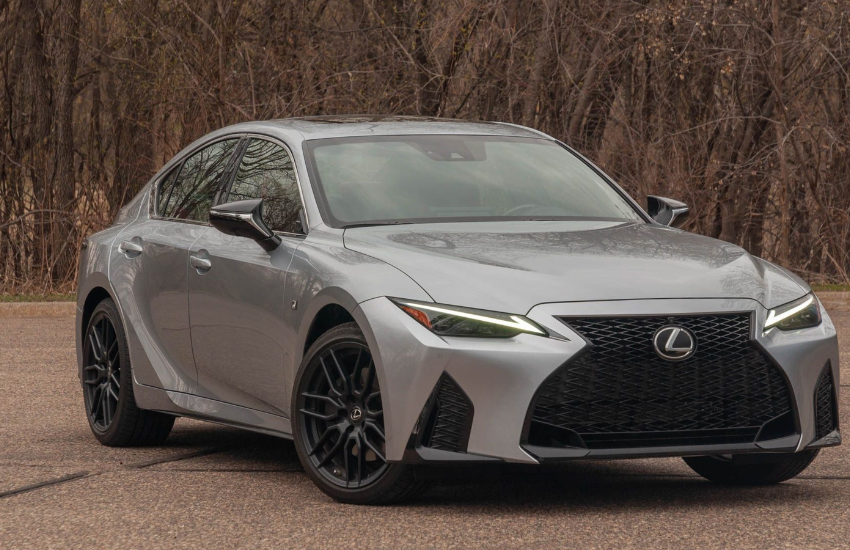
The Lexus IS 350 F Sport is an excellent example of how a luxury sports sedan can combine everyday comfort, impressive performance, modern technology, and eye-catching styling. Designed for drivers who appreciate a sporty driving experience without giving up premium interior quality, this sedan has earned attention in the competitive luxury car market. It brings together the refinement expected from Lexus with a more aggressive personality inspired by the brand’s performance-focused F Sport lineup.
One of the most appealing things about the Lexus IS 350 F Sport is its balance. Some luxury sedans concentrate heavily on comfort, while others prioritize speed and sharp handling. The IS 350 F Sport aims to offer both. Its naturally aspirated V6 engine, rear-wheel-drive-based platform, responsive transmission, and sport-oriented suspension give it a character that feels engaging behind the wheel. At the same time, its well-finished cabin and practical four-door layout make it suitable for commuting, weekend trips, and everyday driving.
The F Sport designation also makes this model stand out visually. It typically features a distinctive grille, sporty bumpers, unique wheels, performance-inspired interior details, and additional equipment depending on the model year and selected package. These touches give the vehicle a more athletic appearance than the standard Lexus IS without sacrificing the sophisticated design language that defines the brand.
Whether you are researching the Lexus IS 350 F Sport before purchasing one, comparing it with other luxury sedans, or simply learning what makes it special, understanding its engine, performance, technology, comfort, safety, and ownership costs is important. Let’s go through everything that makes this premium sports sedan worth considering.
1. What Is the Lexus IS 350 F Sport?
The Lexus IS 350 F Sport is a sport-oriented version of the Lexus IS compact luxury sedan. The IS name represents a model family that has traditionally focused on combining premium features with relatively compact dimensions and enjoyable driving characteristics. It is positioned for buyers who want something more engaging than an ordinary family sedan but do not necessarily need a large luxury vehicle.
The IS 350 uses a 3.5-liter V6 gasoline engine in the model generations commonly associated with this name. The F Sport version adds styling enhancements and, depending on the model year and configuration, additional chassis, suspension, braking, and interior equipment. This combination gives the sedan a distinctive identity within the Lexus range.
It is important to understand that F Sport is not necessarily the same as a full high-performance F model. Lexus uses F Sport branding for sport-inspired versions of several vehicles, while its more specialized F performance models are developed with a different level of mechanical focus. The IS 350 F Sport is therefore best understood as a luxury sports sedan designed to make everyday driving more exciting.
Another reason the model attracts attention is its reputation for refinement. Lexus has built its identity around quiet cabins, carefully assembled interiors, and dependable engineering. The IS 350 F Sport adds a more dynamic personality to those qualities, creating a vehicle that can appeal to drivers who want luxury without an overly conservative appearance.
2. Exterior Design and Overall Appearance
The exterior design of the Lexus IS 350 F Sport is one of its strongest selling points. Its proportions create a balanced appearance, with a relatively long hood, compact rear section, and low, athletic stance. Rather than looking like a traditional executive sedan, it has a more aggressive character that reflects its sporting intentions.
The front end is particularly recognizable. Depending on the model year, the vehicle features Lexus’s signature spindle grille, sharp lighting elements, sculpted bumper sections, and distinctive air-intake detailing. The F Sport trim generally emphasizes these features with more pronounced styling elements, giving the car a stronger road presence.
The side profile adds to the sporty appearance. Its flowing roofline, carefully shaped body panels, and available F Sport alloy wheels create a sense of movement even when the car is parked. The relatively short overhangs and muscular rear shoulders also help the sedan look planted on the road.
At the back, the design usually includes sharp LED lighting, a sculpted trunk lid, and a sporty bumper. Certain versions feature additional exhaust-finisher styling or other appearance details that distinguish the F Sport trim. The overall design is modern without becoming excessively complicated, which helps the Lexus maintain a premium appearance.
3. Engine Specifications and V6 Performance
The engine is a major reason why the Lexus IS 350 F Sport remains interesting to enthusiasts. Many versions use a 3.5-liter naturally aspirated V6 engine that delivers smooth power and a distinctive engine character. Unlike smaller turbocharged engines, this V6 develops power in a progressive manner and provides a relatively linear response when the driver presses the accelerator.
Depending on the model year and drivetrain, output is generally around 311 horsepower in recent North American versions. Torque is approximately 280 lb-ft, although specifications can vary between production years and markets. These figures give the IS 350 F Sport enough performance for confident highway acceleration and enjoyable driving on winding roads.
The naturally aspirated engine also offers a different experience from many modern turbocharged alternatives. It does not depend on turbocharger boost to produce its power, so throttle response can feel more predictable. Drivers who enjoy traditional V6 engines may appreciate the smooth delivery and sound that comes from this configuration.
Another advantage is the engine’s refined operation. At normal cruising speeds, it can remain relatively quiet and relaxed, making long journeys comfortable. When the driver demands more performance, the engine becomes more vocal and delivers stronger acceleration. This flexibility is an important part of the Lexus IS 350 F Sport’s appeal.
4. Transmission and Drivetrain Options
The transmission plays an important role in how the Lexus IS 350 F Sport delivers its performance. Depending on the model year and drivetrain, buyers may encounter an eight-speed automatic transmission or a six-speed automatic in certain all-wheel-drive configurations and earlier versions.
Rear-wheel-drive models are particularly attractive to drivers who enjoy a traditional sports sedan layout. With the engine positioned at the front and power sent to the rear wheels, the vehicle offers a balanced driving character. This configuration can also provide a more engaging feeling when accelerating out of corners.
All-wheel-drive versions provide another option for drivers who prioritize additional traction. By distributing power between the front and rear wheels, the system can help the vehicle maintain stability in challenging weather and on slippery surfaces. Its availability depends on the market and model year, so buyers should verify the specifications of the exact vehicle they are considering.
The automatic transmission is designed to balance smooth operation with responsive gear changes. During relaxed driving, it generally shifts without attracting much attention. When the driver selects a sportier driving mode, transmission behavior can become more aggressive, helping the engine remain in a stronger power range.
5. Driving Experience and Road Performance
The Lexus IS 350 F Sport is designed to feel more athletic than a conventional luxury sedan. Its relatively compact size, rear-wheel-drive-based architecture, and sport-oriented suspension contribute to a driving experience that feels controlled and confident. It is not simply about acceleration; the way the vehicle responds to steering inputs and changes in road direction also matters.
On ordinary roads, the car feels composed and predictable. Steering response is generally precise, allowing drivers to place the vehicle confidently through bends. The chassis is designed to balance stability with comfort, making the sedan enjoyable without requiring constant attention from the driver.
When driving on winding roads, the F Sport configuration can make the experience more entertaining. Its suspension tuning and available performance-oriented equipment help control body movement when cornering. The vehicle feels more focused than a standard comfort-oriented sedan, although its exact handling characteristics depend on the selected wheels, tires, suspension package, and drivetrain.
The IS 350 F Sport is not designed to be an uncompromising track machine. Instead, it provides a useful middle ground between everyday luxury and sporty performance. This approach makes it attractive to drivers who want a car that feels special during a weekend drive but remains manageable during the working week.
6. F Sport Suspension and Handling Features
The suspension system is another important part of the Lexus IS 350 F Sport experience. Lexus engineers have developed the chassis to provide a combination of road comfort, steering precision, and controlled handling. The front suspension uses a double-wishbone design, while the rear suspension uses a multi-link arrangement. These systems help the sedan maintain stability while responding to uneven road surfaces and changes in direction.
Depending on the model year and equipment package, the F Sport can include a specially tuned suspension or an Adaptive Variable Suspension system. Adaptive suspension technology adjusts damping characteristics to suit changing driving conditions. In sportier settings, the system can provide a firmer response, helping the vehicle feel more controlled through corners. In more relaxed settings, it can prioritize a smoother ride.
The result is a sedan that feels comfortable during ordinary commuting while offering additional confidence when the road becomes more demanding. Drivers should remember that wheel size and tire selection also influence ride quality. Models equipped with larger 19-inch wheels and performance-oriented tires may feel firmer over potholes and rough surfaces than versions with smaller wheels.
7. Interior Design and Cabin Quality
Step inside the Lexus IS 350 F Sport, and you will find a cabin designed around the driver. The dashboard, center console, steering wheel, and primary controls are arranged to create a focused driving environment. Rather than making every surface complicated, Lexus uses a combination of clean design, carefully selected materials, and practical control placement.
The F Sport interior generally includes distinctive seats, sporty trim elements, aluminum pedals, and an exclusive steering wheel design. Depending on the year and package, buyers may also find leather-trimmed or NuLuxe upholstery, contrast stitching, and decorative metallic finishes. These details give the interior a more athletic appearance than a standard luxury sedan.
Material quality is an important part of the overall experience. Frequently touched surfaces feel carefully finished, and the cabin benefits from Lexus’s attention to assembly and fit. The seats are designed to provide support during spirited driving without becoming uncomfortable during longer journeys.
The driving position is another positive feature. The steering wheel and seat offer multiple adjustment options, allowing different drivers to find a comfortable position. Higher equipment levels may include power seat adjustments and memory functions, making it easier to return to preferred settings.
8. F Sport Seats and Passenger Comfort
The front seats are among the most noticeable interior features of the Lexus IS 350 F Sport. They generally have more pronounced side bolsters than the seats found in less sporty versions. These bolsters help hold the driver and front passenger in place when cornering, creating a more connected feeling between the occupants and the vehicle.
Depending on the configuration, the front seats may include heating and ventilation. Heated seats are particularly useful in colder climates, while ventilation can improve comfort during hot weather. Power adjustments and available lumbar support also help drivers find a suitable position for daily use.
Rear-seat comfort is reasonably good for a compact luxury sedan, but it is important to maintain realistic expectations. The IS 350 F Sport is not designed to provide the same rear passenger space as a large executive sedan or full-size luxury vehicle. Taller passengers may find legroom and headroom somewhat limited, especially on longer journeys.
For couples, small families, and drivers who usually travel with one or two passengers, the cabin can be practical. The rear seating area is suitable for everyday transportation, although families who regularly carry several adults should compare the Lexus with larger alternatives before making a decision.
9. Infotainment System and Connectivity
Modern infotainment technology plays an important role in the appeal of a luxury vehicle, and the Lexus IS 350 F Sport offers several useful digital features. Available equipment depends on the production year, but newer versions benefit from a significantly updated multimedia experience.
The 2026 model introduces a 12.3-inch touchscreen through the latest Lexus Interface system. This larger display provides access to entertainment, smartphone connectivity, navigation-related services, and vehicle settings. The redesigned interior also includes a larger digital information display, giving the driver more useful information without requiring constant attention to separate controls. Lexus USA Newsroom+1
Apple CarPlay and Android Auto compatibility make it easier to connect smartphones. Drivers can access compatible applications, music, messages, and navigation services through the vehicle’s multimedia interface. Wireless smartphone integration is available on newer configurations, reducing the need to connect a phone with a cable every time.
Bluetooth connectivity, USB ports, and available wireless charging add further convenience. Some connected services require subscriptions or active data connections after any included trial period. Buyers should check which services are included with a particular vehicle and whether ongoing fees apply.
10. Sound System and Entertainment Features
A good sound system can make everyday driving more enjoyable, especially for people who spend significant time commuting. The Lexus IS 350 F Sport offers an audio experience designed to complement its premium cabin. Standard audio equipment provides everyday entertainment, while selected packages and markets offer upgraded sound systems.
One notable option is the Mark Levinson premium surround sound system. This audio equipment is associated with higher-end Lexus configurations and is designed to deliver a more detailed listening experience. Depending on the model year and package, the system may include multiple speakers and advanced audio processing.
The sound system is useful for more than simply playing music. Clear audio can improve podcast listening, navigation instructions, and hands-free telephone conversations. A well-designed speaker arrangement also helps maintain sound quality for passengers throughout the cabin.
If audio quality is a major purchasing priority, it is worth testing the actual vehicle rather than assuming every IS 350 F Sport has the same equipment. The availability of premium audio varies by trim, package, market, and model year.
11. Safety Features and Driver Assistance Technology
Safety is an important consideration when choosing any premium vehicle. The Lexus IS 350 F Sport combines conventional protective equipment with electronic driver-assistance technologies intended to support safer driving. The precise equipment depends on the model year and market.
The 2026 North American model features Lexus Safety System+ 3.0. This package includes technologies such as a pre-collision system with pedestrian detection, dynamic radar cruise control, lane departure alert with steering assistance, lane tracing assistance, automatic high beams, road sign assistance, and proactive driving assistance. Lexus USA Newsroom+1
Additional equipment may include blind-spot monitoring, rear cross-traffic alert, parking assistance, and a rearview camera. These systems can be particularly useful when reversing out of crowded parking spaces or changing lanes on busy highways. Certain higher-level configurations offer additional parking and visibility technologies.
It is important to remember that driver-assistance systems are not substitutes for attentive driving. Cameras, radar sensors, and other equipment can have limitations in poor weather, unusual road conditions, or situations where markings are difficult to recognize. Drivers should always remain responsible for controlling the vehicle.
12. Fuel Economy and Everyday Efficiency
The Lexus IS 350 F Sport delivers a useful balance between performance and everyday efficiency, although its V6 engine naturally consumes more fuel than many smaller four-cylinder alternatives. Its actual fuel consumption depends on driving habits, traffic conditions, tire selection, drivetrain, and maintenance.
Highway driving can generally produce better fuel economy because the engine operates more consistently and experiences fewer stops and starts. Urban driving, especially in heavy traffic, usually requires more frequent acceleration and braking, increasing fuel consumption.
The rear-wheel-drive and all-wheel-drive versions may also have different efficiency figures. Buyers should compare official fuel-economy information for the exact model year and configuration they intend to purchase rather than relying on figures from another version.
Driving style makes a noticeable difference. Smooth acceleration, maintaining appropriate tire pressure, avoiding unnecessary idling, and keeping the vehicle properly maintained can help improve fuel efficiency. Drivers who frequently use aggressive acceleration or spend long periods in congested traffic should expect higher fuel costs.
13. Exterior Colors, Wheels, and Customization
The Lexus IS 350 F Sport offers several opportunities for personalization. Exterior color choices vary by market and model year, but the range commonly includes sophisticated neutral shades and more expressive sporty finishes. Popular color families include white, black, silver, gray, red, and blue.
A darker exterior color can emphasize the aggressive grille and sculpted bodywork, while lighter finishes highlight the vehicle’s overall proportions. More vibrant colors help the sedan stand out, particularly when paired with the F Sport’s distinctive wheels and exterior styling.
Wheel design is another important part of the vehicle’s appearance. F Sport models commonly feature 19-inch alloy wheels with a distinctive multi-spoke design. Certain versions and special packages offer different finishes or upgraded wheel materials, depending on availability.
Interior customization also contributes to the ownership experience. Buyers may be able to choose between different upholstery colors, decorative trims, and equipment packages. Before purchasing a used vehicle, it is worth checking whether the interior and exterior options match the original factory specification.
14. Lexus IS 350 F Sport Model Years and Updates
Understanding model-year differences is essential because the Lexus IS 350 F Sport has received several updates over its production history. Although the basic character of the vehicle has remained recognizable, exterior styling, interior technology, suspension equipment, and safety systems have changed over time.
The 2021 model year brought a substantial refresh to the IS range. The vehicle received updated exterior styling, revised chassis-related improvements, and an improved infotainment arrangement. These changes helped the sedan maintain a more contemporary appearance while retaining its established V6 powertrain.
The 2025 model received additional equipment updates in the United States. Lexus highlighted features such as power-folding exterior mirrors, a power tilt-and-telescopic steering wheel, driver memory equipment, and dark chrome exterior details for relevant trims. Lexus USA Newsroom+1
The 2026 model year introduced another notable update. In the United States, the lineup was simplified around the IS 350, with F Sport Design and F Sport grades. The refreshed model received revised exterior and interior styling, a 12.3-inch touchscreen, and Lexus Safety System+ 3.0. The core 3.5-liter V6 continues to produce 311 horsepower. Lexus USA Newsroom+1
These differences matter when comparing used and new vehicles. A 2021 IS 350 F Sport and a 2026 version may share the same basic engine concept, but their technology, styling, equipment, and driver-assistance features are not identical.
15. What Makes the 2026 Lexus IS 350 F Sport Special?
The 2026 Lexus IS 350 F Sport is particularly interesting because it continues a traditional luxury sports sedan formula while receiving modern equipment improvements. At a time when many manufacturers are moving toward smaller turbocharged engines and electrified powertrains, the IS 350 retains a naturally aspirated V6.
The updated exterior gives the vehicle a refreshed appearance while preserving the familiar IS identity. Its revised front-end styling, lighting details, and sporty proportions help it remain recognizable without completely changing the design direction. The cabin also benefits from a more modern dashboard layout and updated multimedia technology.
The 2026 model’s 12.3-inch touchscreen and updated safety systems make it more competitive in areas where earlier versions could feel dated. These improvements are especially important for buyers who want modern connectivity and driver-assistance features without moving away from a traditional gasoline-powered sports sedan.
Another appealing feature is the continued availability of rear-wheel drive and all-wheel drive in the North American lineup. This gives buyers the opportunity to choose between a more traditional sports sedan layout and additional traction for changing road conditions. Equipment and transmission specifications should always be checked against the particular market and trim.
16. Lexus IS 350 F Sport vs. Standard Lexus IS
The difference between a standard Lexus IS and the IS 350 F Sport depends on the specific model year and equipment level. The standard versions generally focus more heavily on comfort, appearance, and everyday usability, while the F Sport adds a stronger performance-inspired identity.
Exterior styling is one of the easiest differences to recognize. The F Sport typically includes unique front and rear bumper designs, a distinctive grille treatment, sporty wheels, and additional exterior details. These changes give the sedan a more aggressive appearance without altering its overall compact luxury sedan proportions.
Inside, F Sport models generally offer sportier seats, aluminum pedals, distinctive steering wheel details, and performance-inspired instrumentation. Some versions also receive suspension and handling upgrades. The exact equipment depends on whether the vehicle is an F Sport Design, F Sport, or another package configuration.
For drivers who prefer a more athletic appearance and a focused driving environment, the F Sport is an appealing choice. Those who prioritize a simpler appearance or lower purchase price may find another IS configuration more suitable.
17. Lexus IS 350 F Sport vs. BMW 3 Series
BMW 3 Series is one of the most recognizable competitors in the compact luxury sedan category. It has built a reputation for combining premium cabin quality with strong engine options and engaging handling. Comparing it with the Lexus IS 350 F Sport helps explain the different priorities of these two vehicles.
The Lexus offers a naturally aspirated V6 in the IS 350, giving it a distinctive engine character. Many BMW 3 Series configurations use turbocharged four-cylinder or six-cylinder engines, depending on the variant. These powertrains can provide strong acceleration and different levels of efficiency and performance.
Handling is another area where the two vehicles have distinct personalities. The BMW 3 Series has traditionally emphasized responsive steering and dynamic driving characteristics. The Lexus IS 350 F Sport also offers enjoyable handling, but it places considerable emphasis on refinement, predictable responses, and everyday comfort.
Reliability reputation and ownership expectations can influence the decision as well. Lexus is widely associated with long-term dependability, while BMW attracts buyers who appreciate its performance-focused engineering and technology. The best choice depends on the exact versions being compared, their maintenance histories, equipment, and purchase prices.
18. Lexus IS 350 F Sport vs. Audi S4 and Mercedes-Benz C-Class
The Lexus IS 350 F Sport competes in a category that includes several established luxury sedans. The Audi S4 is a more performance-focused alternative in markets and model years where it is offered, while the Mercedes-Benz C-Class emphasizes a combination of comfort, technology, and premium presentation.
Audi models are often recognized for their sophisticated interiors, all-wheel-drive technology, and turbocharged performance. The S4 has traditionally offered stronger performance credentials than ordinary C-Class or entry-level luxury sedan configurations. The Lexus takes a different approach by retaining a naturally aspirated V6 and a relatively straightforward powertrain character.
Mercedes-Benz offers a different kind of luxury experience. Its C-Class models commonly emphasize cabin atmosphere, elegant styling, and advanced digital technology. Depending on the version, the Mercedes may feel more modern or comfort-oriented, while the Lexus offers a more traditional sports sedan personality.
Ultimately, the IS 350 F Sport is a strong option for buyers who value its V6 engine, distinctive styling, and Lexus ownership appeal. Audi and Mercedes alternatives may be better suited to people who prioritize particular performance, technology, or interior preferences.
19. Reliability and Long-Term Ownership
Reliability is one of the most important reasons buyers consider a Lexus vehicle. The brand has developed a strong reputation for building cars that can remain dependable over many years when properly maintained. The IS 350 F Sport benefits from an established V6 engine design and a conventional automatic transmission rather than relying on an especially complicated high-output hybrid or turbocharged performance setup.
However, reliability should never be treated as a guarantee. Every vehicle requires regular servicing, and individual ownership experiences depend on driving habits, environmental conditions, maintenance quality, and previous repairs. Even a well-engineered luxury sedan can develop problems if routine maintenance is ignored.
For used Lexus IS 350 F Sport buyers, service records are particularly valuable. Check whether the previous owner followed recommended oil-change intervals, replaced worn tires, maintained the braking system, and addressed any warning lights or mechanical issues. A professional pre-purchase inspection can help identify problems that are not immediately visible during a test drive.
The vehicle’s maintenance history is often more important than its mileage alone. A higher-mileage example with consistent servicing may be a better purchase than a lower-mileage vehicle that has been neglected. Taking time to inspect the car properly can make long-term ownership considerably more enjoyable.
20. Maintenance Costs and Service Requirements
Owning the Lexus IS 350 F Sport involves the usual maintenance responsibilities associated with a premium gasoline-powered sedan. Routine servicing generally includes engine oil and filter replacement, tire inspections, brake checks, fluid inspections, and regular examination of important mechanical components.
Because it is a luxury vehicle, certain replacement parts and specialist services may cost more than those associated with ordinary economy sedans. However, maintenance expenses can vary significantly depending on location, dealership pricing, independent repair facilities, and the availability of replacement parts.
Tires deserve particular attention. The F Sport’s larger wheels and performance-oriented tire options can make replacement tires more expensive than those fitted to smaller everyday vehicles. Drivers who enjoy spirited acceleration and cornering may also experience faster tire wear.
Preventive maintenance is the best way to manage long-term expenses. Following the manufacturer’s recommended maintenance schedule, using appropriate fluids, checking tire pressure, and responding quickly to unusual noises or warning lights can help prevent smaller issues from becoming more expensive repairs.
21. Is the Lexus IS 350 F Sport Good for Daily Driving?
Yes, the Lexus IS 350 F Sport can be an excellent daily driver for people who want a premium sedan with a sporty personality. Its four-door layout, comfortable front seats, automatic transmission, and relatively manageable exterior dimensions make it practical for everyday transportation.
The cabin is designed to provide a quiet and comfortable environment during normal driving. The suspension is sporty but does not make the vehicle completely unsuitable for ordinary roads. Drivers can use relaxed driving modes when commuting and select sportier settings when they want a more engaging experience.
Parking and maneuvering are also relatively straightforward compared with larger luxury sedans. Depending on the model year and equipment, the vehicle can offer parking sensors, a backup camera, and additional visibility technology. These features can help in crowded urban environments.
There are a few compromises to consider. Rear-seat space is not particularly generous, and the trunk is not as large as the cargo areas found in many midsize sedans. Fuel consumption can also be higher than that of smaller-engine competitors. Nevertheless, for drivers who value performance and premium comfort, these compromises may be acceptable.
22. Lexus IS 350 F Sport Price and Market Value
The price of a Lexus IS 350 F Sport depends on its model year, condition, mileage, equipment, and geographical market. Newer vehicles generally command higher prices, while older examples may offer better value for buyers who want the same basic V6 driving experience at a lower cost.
For reference, Lexus announced United States starting prices of $49,345 for the 2026 IS 350 F Sport and $51,345 for the all-wheel-drive F Sport version, including the destination and delivery charge specified in its announcement. These are US-market figures and should not be treated as international prices. Lexus USA Newsroom
Used vehicle prices depend heavily on local supply and demand. A well-maintained example with desirable options, a clean accident history, and complete service documentation may command a higher price than a similar vehicle with questionable maintenance records.
When evaluating a purchase, consider the total cost rather than the advertised price alone. Insurance, registration, taxes, fuel, tires, maintenance, and financing expenses can all affect the real ownership budget. Comparing multiple listings and arranging an independent inspection are sensible steps before committing to a purchase.
23. Buying a Used Lexus IS 350 F Sport: Important Things to Check
Buying a used Lexus IS 350 F Sport can be a smart way to enter the luxury sports sedan market. The vehicle offers an appealing combination of performance, equipment, and premium design. However, buyers should carefully examine the condition of each example instead of assuming every Lexus has been maintained properly.
Start by checking the vehicle’s service history. Look for evidence of regular engine oil changes, scheduled maintenance, brake servicing, and any major repairs. A complete record helps establish how the vehicle has been treated throughout its ownership.
Next, inspect the exterior and interior. Look for mismatched paint, uneven panel gaps, damaged wheels, unusual tire wear, and signs of previous collision repairs. Inside the cabin, examine the seat upholstery, steering wheel, touchscreen, switches, air conditioning, and electronic adjustments.
A test drive is essential. Pay attention to engine behavior, transmission shifts, braking performance, steering response, and suspension noises. The vehicle should accelerate smoothly without unusual vibrations, hesitation, or warning lights.
Finally, arrange a professional mechanical inspection. A qualified technician can examine the engine, transmission, suspension, brakes, diagnostic codes, and other important systems. This additional step can provide valuable information before you spend money on a used luxury vehicle.
24. Pros and Cons of the Lexus IS 350 F Sport
Every vehicle has advantages and disadvantages, and the Lexus IS 350 F Sport is no exception. Understanding both sides helps buyers decide whether it matches their driving expectations and financial priorities.
Major advantages include:
- Naturally aspirated 3.5-liter V6 engine.
- Smooth and refined power delivery.
- Distinctive F Sport exterior styling.
- Premium interior materials and comfortable front seats.
- Sport-oriented suspension and handling characteristics.
- Available rear-wheel-drive and all-wheel-drive configurations.
- Modern smartphone connectivity in newer versions.
- Advanced driver-assistance features.
- Strong Lexus reputation for long-term dependability.
- Practical four-door design.
Potential disadvantages include:
- Rear-seat space is relatively limited.
- Fuel economy is not as strong as some smaller-engine alternatives.
- Larger performance tires can be expensive to replace.
- Some older model years have less modern infotainment systems.
- The automatic transmission options vary by drivetrain.
- It is not as performance-focused as some dedicated sports sedans.
- Optional equipment can increase the purchase price considerably.
The most important thing is to evaluate these advantages and disadvantages based on your own priorities. A buyer who values a smooth V6, premium materials, and everyday usability may appreciate the IS 350 F Sport more than someone who prioritizes maximum acceleration or the latest digital technology.
25. Who Should Buy the Lexus IS 350 F Sport?
The Lexus IS 350 F Sport is a particularly good match for drivers who want something more exciting than an ordinary commuter sedan. Its V6 engine, sporty appearance, and premium cabin provide a distinctive experience without requiring the compromises associated with a dedicated two-seat sports car.
It is also worth considering for professionals who want a luxury vehicle that looks sophisticated without being overly flashy. The F Sport design adds an athletic character while retaining the relatively understated proportions of a compact executive sedan.
Drivers who frequently travel alone or with one passenger will probably find the cabin practical. Small families may also appreciate the four-door layout, although people who regularly carry adult passengers in the back should consider a larger vehicle.
It may be less suitable for someone who wants exceptional fuel economy, a spacious rear passenger area, or the fastest acceleration in its class. Those requirements may point toward different vehicles. The Lexus makes the most sense when its combination of refinement, traditional engine character, and premium ownership experience matches what the buyer wants.
26. Is the Lexus IS 350 F Sport Worth Buying?
For many luxury sedan buyers, the Lexus IS 350 F Sport is absolutely worth considering. Its greatest strength is the way it combines several qualities that are not always easy to find in one vehicle. It offers a naturally aspirated V6, sporty styling, a comfortable cabin, modern safety equipment, and a practical four-door design.
Its performance is enjoyable without being unnecessarily intimidating. The engine provides smooth acceleration, while the suspension and chassis help create a more engaging driving experience than a conventional comfort-focused sedan. This makes it suitable for both ordinary transportation and occasional spirited driving.
The vehicle also benefits from the Lexus approach to refinement. Its cabin is designed around comfort and usability, while the brand’s established engineering reputation makes it attractive to buyers thinking about long-term ownership. Of course, proper maintenance and careful vehicle selection remain essential.
The 2026 update makes the latest version more appealing through revised styling, upgraded multimedia technology, and newer safety features. Buyers shopping for an older model can still find plenty to appreciate, especially if they prioritize value and the established V6 powertrain.
Overall, the Lexus IS 350 F Sport is worth buying if you want a luxury sports sedan that delivers a balanced combination of driving enjoyment, comfort, and everyday practicality.
27. Frequently Asked Questions About the Lexus IS 350 F Sport
1. How much horsepower does the Lexus IS 350 F Sport have?
Recent Lexus IS 350 F Sport models produce approximately 311 horsepower from their 3.5-liter naturally aspirated V6 engine. This output provides strong everyday acceleration and a satisfying performance character. Exact specifications should be checked against the relevant model year and market.
2. Is the Lexus IS 350 F Sport a sports car?
The Lexus IS 350 F Sport is better described as a luxury sports sedan. It offers sporty styling, responsive handling, and a powerful V6 engine while retaining four doors, everyday comfort, and practical features. It is not a dedicated two-seat sports car or a full F performance model.
3. Does the Lexus IS 350 F Sport have a V6 engine?
Yes. Recent IS 350 F Sport models use a 3.5-liter naturally aspirated V6 gasoline engine. It is known for smooth power delivery and a traditional engine character that appeals to drivers who enjoy naturally aspirated performance.
4. Is the Lexus IS 350 F Sport available with all-wheel drive?
Yes. All-wheel-drive configurations are available in several North American model years. However, drivetrain availability differs by country and model year. Buyers should check the factory specifications before purchasing.
5. Is the Lexus IS 350 F Sport reliable?
The IS 350 F Sport benefits from Lexus’s reputation for engineering and dependability. However, reliability depends on proper servicing, driving conditions, and the condition of the individual vehicle. Checking maintenance records is especially important when purchasing a used example.
6. What is special about the F Sport trim?
The F Sport trim generally adds distinctive exterior styling, sportier wheels, enhanced seat bolstering, aluminum pedals, and other performance-inspired details. Depending on the model year and package, it may also include upgraded suspension components and additional driving features.
7. Is the Lexus IS 350 F Sport comfortable for long drives?
Yes. Its supportive front seats, refined engine, and premium cabin make it suitable for longer journeys. However, the relatively compact rear seating area may be less comfortable for taller passengers traveling long distances.
8. Does the Lexus IS 350 F Sport support Apple CarPlay and Android Auto?
Yes. Compatible versions offer Apple CarPlay and Android Auto integration. Newer models provide an updated multimedia system, and wireless connectivity is available on applicable configurations.
9. Is the Lexus IS 350 F Sport expensive to maintain?
Maintenance costs are generally higher than those of ordinary economy sedans because it is a premium vehicle. Tire replacements, brake servicing, and specialist repairs can add to ownership expenses. Regular preventive maintenance can help control unexpected costs.
10. What is the difference between the Lexus IS 350 F Sport and IS 350 F Sport Design?
The difference depends on the model year and market. Generally, F Sport Design emphasizes sporty exterior appearance, while the full F Sport grade adds further interior and performance-inspired equipment. The exact features should be compared using the official specification sheets for each version.
Conclusion
The Lexus IS 350 F Sport remains an appealing choice in the luxury sports sedan segment because it combines traditional engine performance with modern comfort and premium styling. Its naturally aspirated V6, distinctive F Sport appearance, well-designed interior, and balanced driving characteristics give it a personality that stands apart from many smaller-engine luxury competitors.
It is not necessarily the fastest vehicle in its category, nor does it offer the largest cabin. Instead, its appeal comes from providing a well-rounded ownership experience. Drivers get an enjoyable engine, confident road manners, quality interior materials, and practical everyday usability in one attractive package.
The newer model years add important improvements to multimedia technology, driver assistance, and interior design. Meanwhile, earlier versions remain interesting options for used-car buyers who want the established Lexus V6 experience without paying for a brand-new vehicle.
Ultimately, the Lexus IS 350 F Sport is a compelling choice for anyone who appreciates a luxury sedan with genuine sporting character. If comfort, performance, refinement, and long-term ownership appeal are high on your shopping list, this Lexus deserves a place on your shortlist.
YOU MAY HAVE MISSED