Introduction
Searching for Mexican food near me is one of the easiest ways to discover delicious meals, exciting flavors, and restaurants offering something different from everyday dining. Whether you are craving freshly prepared tacos, cheesy quesadillas, flavorful burritos, crispy nachos, or traditional Mexican specialties, there is something in Mexican cuisine for almost every taste. Its combination of fresh ingredients, aromatic spices, colorful toppings, and satisfying portions makes it a popular choice for lunch, dinner, and casual gatherings.
Mexican food is much more than a collection of popular dishes. It represents a rich culinary tradition shaped by generations of cooking knowledge, regional ingredients, and cultural influences. From simple corn tortillas to slow-cooked meat dishes and complex sauces, Mexican cooking offers an impressive variety of textures and flavors. Some meals are mild and comforting, while others feature bold chili flavors that appeal to people who enjoy spicy food.
When people search for Mexican food near me, they are usually looking for more than the closest restaurant. They want quality ingredients, reasonable prices, generous portions, friendly service, and a comfortable dining experience. Some prefer a traditional Mexican restaurant, while others enjoy modern Mexican-inspired menus with creative combinations. Understanding what different restaurants offer can make it easier to choose a place that satisfies your appetite.
Let’s go! This guide explores Mexican cuisine, popular dishes, restaurant choices, ingredients, dining experiences, and practical tips for finding excellent Mexican food near your location.
What Does Mexican Food Near Me Mean?
The phrase Mexican food near me is commonly used when someone wants to discover restaurants serving Mexican dishes in their surrounding area. Instead of manually searching through restaurant directories, customers can enter this phrase into a search engine and receive location-based suggestions. These results may include independent Mexican restaurants, family-owned dining establishments, food trucks, takeout businesses, and larger restaurant chains.
Modern search engines use location information, business listings, and other relevant signals to display nearby options. Results can include restaurant names, addresses, customer reviews, photographs, menus, opening hours, and directions. This information helps customers compare different establishments before deciding where to eat. However, results depend on the location being searched, so the restaurants shown to one person may be completely different from those displayed to another.
The search phrase can also represent different dining preferences. Someone might be looking for affordable tacos, a restaurant offering authentic regional dishes, a family-friendly dining room, or a convenient takeaway service. Understanding your own preferences makes the search more useful because the closest restaurant is not necessarily the best choice for every occasion.
Why Mexican Cuisine Is So Popular
Mexican cuisine has become internationally recognized because of its remarkable combination of ingredients, cooking techniques, and regional traditions. It offers something for people who enjoy fresh vegetables, grilled meats, seafood, beans, rice, cheese, and flavorful sauces. The variety makes it possible to enjoy a completely different meal every time you visit a Mexican restaurant.
Another reason for its popularity is flexibility. Many Mexican dishes can be customized according to personal preferences. Customers can select their preferred protein, adjust the spice level, add vegetables, choose different toppings, or request particular sauces. This flexibility makes Mexican restaurants suitable for groups with different tastes and dietary requirements.
Mexican cuisine also has deep cultural significance. Traditional Mexican cooking was recognized by UNESCO as an element of the Intangible Cultural Heritage of Humanity in 2010. Its culinary traditions involve much more than preparing meals, including agricultural practices, traditional techniques, community knowledge, and the passing of recipes between generations. This cultural foundation helps explain why Mexican food continues to attract attention around the world.
Popular Mexican Dishes to Try Near You
1. Tacos
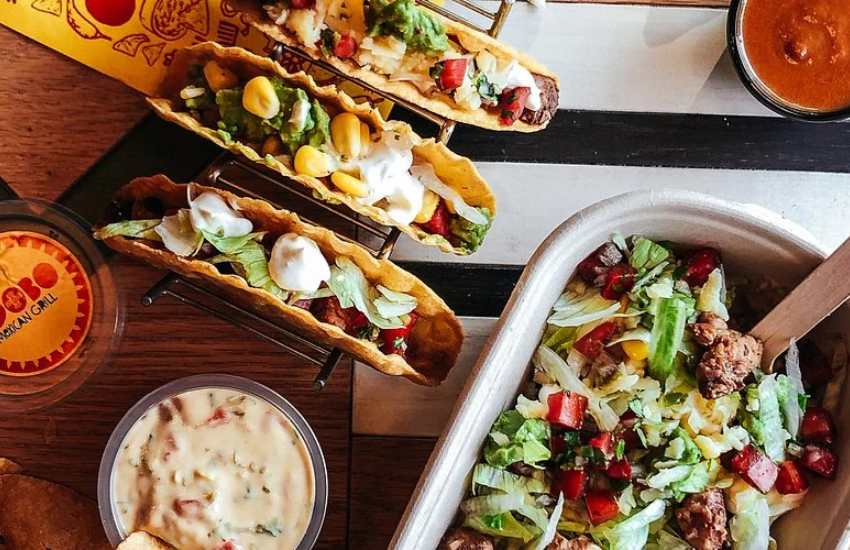
Tacos are among the most recognizable Mexican dishes and are often the first thing people look for when searching for Mexican food near me. A traditional taco generally consists of a tortilla filled with ingredients such as grilled meat, chicken, fish, beans, or vegetables. The filling is usually complemented by fresh onions, cilantro, salsa, lime, or other toppings.
One of the best things about tacos is their variety. Carne asada tacos feature grilled beef, while al pastor tacos traditionally use marinated pork prepared with distinctive seasonings. Fish tacos offer a lighter alternative, and vegetarian versions can include beans, mushrooms, grilled peppers, and other vegetables.
A good taco should have a balanced combination of textures and flavors. The tortilla should hold its filling without becoming unpleasantly soggy, while the toppings should complement rather than overpower the main ingredients. When visiting a Mexican restaurant, trying more than one taco variety is an excellent way to explore the menu.
2. Burritos
Burritos are another popular option for people who want a filling and convenient meal. They usually consist of a large flour tortilla wrapped around ingredients such as rice, beans, meat, cheese, vegetables, and salsa. The tortilla keeps everything together, making burritos easy to enjoy at restaurants or take away.
Different restaurants prepare burritos in different ways. Some focus on traditional combinations, while others introduce ingredients such as grilled vegetables, special sauces, seasoned potatoes, and additional cheese. Customers can often choose between chicken, beef, pork, and vegetarian fillings.
Burritos are particularly attractive to people with larger appetites because they can provide a complete meal in one serving. Before ordering, check whether the restaurant offers different sizes and customization options. This helps you choose a portion that matches your appetite and budget.
3. Quesadillas
Quesadillas are made using tortillas filled with cheese and sometimes additional ingredients before being heated or grilled. The cheese melts inside the tortilla, creating a soft, flavorful filling with a lightly crisp exterior. Depending on the restaurant, quesadillas may contain chicken, beef, mushrooms, peppers, onions, or beans.
They are a good choice for customers who prefer a simple but satisfying meal. The cheese provides richness, while additional ingredients introduce different textures and flavors. Salsa, sour cream, guacamole, and fresh vegetables are common accompaniments.
Quesadillas can work as a starter, snack, or main meal depending on their size and filling. They are also a practical option for sharing with friends or family members who want to sample several dishes.
4. Enchiladas
Enchiladas are traditionally prepared using corn tortillas filled with ingredients such as meat, cheese, beans, or vegetables. The tortillas are covered with a flavorful sauce and commonly served with additional toppings. Their defining feature is the combination of soft tortillas and rich sauce.
The sauce can vary considerably. Some restaurants prepare enchiladas with red chili sauce, while others offer green sauces made with ingredients such as tomatillos and green chilies. Mole-based preparations are another interesting variation, offering more complex flavors.
Enchiladas are especially appealing to customers who enjoy meals with plenty of sauce and seasoning. They are usually served with rice, beans, or other side dishes, creating a substantial restaurant meal.
5. Nachos
Nachos are a favorite choice for casual dining, parties, and sharing. They typically begin with tortilla chips topped with melted cheese, beans, jalapeños, salsa, and other ingredients. Some restaurants offer loaded versions featuring seasoned beef, chicken, guacamole, and sour cream.
The quality of nachos depends heavily on how they are assembled. Ideally, the toppings should be distributed across the chips rather than concentrated in one area. This allows customers to enjoy a balanced combination of flavors in every bite.
Nachos can be a starter or a complete meal when prepared with generous toppings. If you are dining with friends, ordering a large plate of nachos is an easy way to begin the experience.
What Makes an Authentic Mexican Restaurant Special?
An excellent Mexican restaurant is not defined only by its menu or decoration. The quality of ingredients, cooking techniques, flavor combinations, and attention to detail all contribute to the overall experience. Restaurants that understand traditional Mexican cooking often pay particular attention to how individual ingredients are prepared.
Freshly made tortillas, carefully seasoned fillings, traditional sauces, and properly cooked beans can make a noticeable difference. Some restaurants prepare ingredients throughout the day instead of relying entirely on pre-prepared products. This approach can improve freshness and allow cooks to maintain better control over the final flavor.
Authenticity also involves understanding regional food traditions. Mexican cuisine is not identical throughout the country. Different regions have their own specialties, ingredients, and cooking methods. A restaurant offering dishes inspired by Oaxaca, Puebla, Yucatán, or northern Mexico may provide a more varied experience than an establishment serving only familiar international favorites.
Understanding the Main Ingredients in Mexican Food
Corn and Flour Tortillas
Tortillas are essential to many Mexican dishes. Corn tortillas have a long history in Mexican cooking and are commonly used for tacos, enchiladas, and other traditional preparations. Their flavor and texture work particularly well with grilled meats, beans, vegetables, and fresh sauces.
Flour tortillas are also popular, especially for burritos and certain quesadillas. They generally have a softer and more flexible texture than corn tortillas. The choice between the two depends on the dish, regional tradition, and personal preference.
A restaurant that prepares its tortillas carefully can improve the entire dining experience. Fresh tortillas often have a pleasant aroma and a texture that complements the filling.
Beans and Rice
Beans are another important part of Mexican cuisine. They can be served whole, mashed, or prepared as refried beans, depending on the recipe. Their mild flavor makes them an excellent companion to strongly seasoned meats, spicy sauces, and fresh vegetables.
Mexican-style rice is frequently served alongside tacos, enchiladas, and other main dishes. It is commonly prepared with seasonings and ingredients that give it a distinctive color and flavor. Together, beans and rice can turn a smaller dish into a more satisfying meal.
These ingredients are also useful for vegetarian customers who want filling alternatives to meat-based dishes. However, preparation methods vary, so customers with dietary restrictions should always confirm the ingredients.
Chilies and Salsa
Chilies play a major role in Mexican cooking. Different varieties offer different levels of heat, aroma, and flavor. Some contribute a gentle warmth, while others create a stronger spicy sensation. Their use depends on the dish and the intended flavor profile.
Salsa is equally important because it can bring freshness, acidity, heat, and additional complexity to a meal. Common varieties include red salsa, green salsa, pico de gallo, and roasted chili-based sauces. Each has its own personality and works with different dishes.
Customers who are unfamiliar with Mexican food should not assume every salsa is extremely hot. Many sauces are mild or moderately spicy, while others are much stronger. Asking the restaurant about its salsa options can help prevent an unpleasant surprise.
Avocado and Guacamole
Avocados are widely used in Mexican-inspired dishes, especially in the preparation of guacamole. This popular accompaniment usually combines mashed avocado with ingredients such as lime juice, onion, cilantro, tomatoes, and seasoning.
Guacamole provides a creamy contrast to crispy tortilla chips, grilled meats, and spicy sauces. Its fresh flavor makes it a popular addition to tacos, burritos, and nachos.
When choosing a restaurant, pay attention to whether guacamole is prepared fresh and whether its ingredients are clearly described. Freshness is particularly important because avocado changes color and texture after being exposed to air.
How to Find the Best Mexican Food Near Me
Finding a good Mexican restaurant becomes easier when you know what to look for. Rather than choosing the first result that appears in a search engine, take a few minutes to compare the available options. Small details can help you identify establishments that offer better food and service.
Start by searching for Mexican food near me using a search engine or digital map service. Review the available restaurant listings and pay attention to their locations, menus, photographs, customer feedback, and business information. If you are searching from a particular neighborhood, adding its name can help narrow the results.
It is also useful to consider what type of experience you want. A casual taco shop may be ideal for a quick meal, while a full-service Mexican restaurant may be more appropriate for a family dinner or special occasion. Your preferred dining style should influence your final decision.
Check Customer Reviews
Customer reviews can provide useful information about restaurant quality. Look for repeated comments about food freshness, portion sizes, cleanliness, service, and overall value. A consistent pattern of positive feedback is generally more informative than one unusually enthusiastic review.
However, reviews should not be treated as the only measure of quality. Individual preferences differ, and customers may have different expectations regarding spice levels, portion sizes, and service speed. Read a mixture of recent positive and negative feedback before making a decision.
Recent reviews are particularly helpful because restaurant management, menus, staff, and food quality can change over time. Checking newer feedback gives you a better idea of the current customer experience.
Explore Restaurant Menus
A restaurant’s menu can reveal a lot about its food selection. Look for familiar dishes alongside less common regional specialties. A varied menu may provide more opportunities to explore different flavors and find meals that match your preferences.
Check the descriptions carefully to understand what each dish contains. Some meals may include ingredients that are not immediately obvious from their names. If you have allergies or dietary requirements, contact the restaurant before ordering.
Comparing menu prices is also important. Consider the portion size, included side dishes, and additional charges rather than judging value by the main dish price alone.
Compare Location and Convenience
Distance is an important factor when searching for Mexican food near me. A nearby restaurant can be especially convenient when you want a quick lunch, takeaway dinner, or last-minute meal.
However, a slightly longer journey may be worthwhile if another restaurant has better reviews, a more appealing menu, or a dining environment that suits your needs. Consider traffic, parking, delivery availability, and travel time before making your choice.
Digital maps can help you understand the restaurant’s location and estimate the journey. Always verify the address and current opening hours before leaving home.
Mexican Food for Different Dining Occasions
Quick Lunch Options
Mexican food can be a convenient lunch choice because many dishes are relatively easy to serve and customize. Tacos, burritos, quesadillas, and rice bowls are popular options for people who want something satisfying without spending too much time at a restaurant.
A quick lunch does not have to mean sacrificing flavor. Many Mexican restaurants prepare ingredients in advance and assemble orders when customers arrive. This makes it possible to enjoy a freshly prepared meal in a relatively short period.
If you have limited time, check whether the restaurant offers takeaway ordering or a dedicated lunch menu. These services can make the experience more convenient during busy working days.
Family Dining
Mexican restaurants can be excellent places for family meals because their menus often contain a wide selection of dishes. Adults may enjoy spicy tacos or enchiladas, while children can choose simpler quesadillas, rice, beans, or mild chicken dishes.
Sharing-style meals can make family dining more enjoyable. Large plates of nachos, tortilla chips, dips, and different taco varieties allow everyone to sample several options. This approach is particularly useful when family members have different food preferences.
Before visiting, check whether the restaurant has suitable seating, children’s menu options, and enough space for larger groups. A comfortable environment can make the experience much more enjoyable.
Romantic Dinners
Mexican food can also be part of a relaxed and enjoyable dinner for couples. Some restaurants offer attractive interiors, comfortable seating, carefully presented dishes, and a menu that encourages sharing.
A combination of appetizers, main courses, and desserts can create a complete dining experience. Couples may enjoy sampling different tacos, sharing nachos, or trying traditional specialties that they have never ordered before.
If you are planning a special evening, consider the atmosphere, noise level, service quality, and reservation arrangements. Choosing the right restaurant can make an ordinary dinner feel more memorable.
Group Gatherings and Celebrations
Mexican food is a practical choice for birthdays, casual celebrations, and gatherings with friends. Dishes such as tacos, nachos, burritos, and quesadillas can be served in different portions, allowing guests to choose what they prefer.
Some restaurants offer group platters or catering services. These options can make organizing an event easier because guests can enjoy several dishes without requiring individual meals for every person.
When arranging a group visit, contact the restaurant in advance. Ask about seating capacity, group menus, dietary requirements, and any booking arrangements that may be necessary.
Vegetarian and Vegan Mexican Food Options
Mexican cuisine offers several possibilities for people who prefer plant-based meals. Beans, corn, rice, avocados, tomatoes, peppers, onions, mushrooms, and other vegetables can be combined to create flavorful dishes.
Vegetarian tacos are a common option. They may contain grilled vegetables, beans, mushrooms, potatoes, or cheese. Vegetable quesadillas and bean burritos are also popular choices, especially when prepared with fresh toppings and suitable sauces.
Vegan customers can look for meals that do not contain meat, dairy products, or other animal-derived ingredients. However, it is important to confirm how individual components are prepared. Some refried beans may contain animal fat, while certain rice dishes and sauces may include meat-based stock or dairy ingredients.
Restaurants that offer clear ingredient information make ordering easier for customers with specific dietary needs. If you are unsure, ask the staff whether a dish can be prepared without cheese, sour cream, butter, or other animal products.
Mexican Food for People Who Enjoy Spicy Meals
Spicy food is one of the features that attracts many customers to Mexican restaurants. Chilies are used in different forms, including fresh peppers, dried varieties, powders, and sauces. Their flavors range from mild and fruity to intensely hot.
Not every Mexican dish is spicy. Many recipes focus on roasted ingredients, herbs, citrus, and balanced seasoning rather than strong heat. This means customers can enjoy Mexican cuisine even if they do not particularly like spicy food.
If you enjoy heat, ask about the restaurant’s strongest salsa or chili-based dishes. Some establishments allow customers to select their preferred spice level, which makes it easier to customize a meal. Start with a moderate option if you are unfamiliar with the restaurant’s seasoning.
Mexican Food for People Who Prefer Mild Flavors
Customers who prefer mild meals have plenty of choices at Mexican restaurants. Cheese quesadillas, simple chicken tacos, bean burritos, rice bowls, and some enchiladas can provide satisfying flavors without excessive heat.
Fresh ingredients can also create an enjoyable meal without relying on strong chilies. Avocado, tomatoes, lettuce, grilled vegetables, cheese, and mild sauces offer a range of textures and flavors.
When ordering, ask for spicy salsa and jalapeños to be served separately. This allows you to control how much heat you add to your meal. Most restaurants are familiar with customers who prefer less spicy food and may be able to adjust certain preparations.
Takeaway and Delivery: Enjoy Mexican Food at Home
Searching for Mexican food near me does not always mean you want to dine inside a restaurant. Takeaway and delivery services make it possible to enjoy many Mexican dishes at home, at work, or during social gatherings.
Burritos, tacos, quesadillas, rice bowls, and nachos are frequently available through restaurant ordering systems and delivery platforms. Some establishments also offer family meals, combination platters, and customizable menus.
Before placing an order, check the estimated delivery time, delivery fees, minimum order requirements, and packaging details. These factors can affect the overall experience, especially when ordering multiple dishes.
Food quality during delivery also deserves consideration. Crispy foods may lose some texture during transportation, while dishes containing fresh toppings can become less appealing if they sit for too long. Choosing restaurants with suitable packaging and reasonable delivery times can help maintain the quality of your meal.
What to Expect From Mexican Restaurant Prices
The price of Mexican food depends on several factors, including location, ingredients, portion sizes, restaurant style, and preparation methods. A small taco shop may offer affordable individual meals, while an upscale Mexican restaurant may charge more for premium ingredients and a full-service dining experience.
Tacos and simple quesadillas are often among the more affordable menu options. Burritos, enchiladas, and combination plates may cost more because they contain additional ingredients and larger portions. Specialty dishes featuring seafood or premium cuts of meat can have higher prices.
It is worth comparing overall value rather than focusing only on the cheapest item. A slightly more expensive meal may offer better ingredients, a larger portion, or included side dishes. Check the menu carefully so you understand what is included before placing an order.
How to Recognize a High-Quality Mexican Restaurant
A high-quality Mexican restaurant usually pays attention to several details that contribute to customer satisfaction. Food preparation, cleanliness, ingredient freshness, service, and menu consistency all matter.
Fresh ingredients are particularly important. Vegetables should look appealing, sauces should taste balanced, and meats should be prepared properly. Tortillas should complement their fillings, while toppings should add freshness rather than simply decorate the plate.
The restaurant environment also provides useful clues. Clean tables, organized service areas, attentive staff, and well-maintained dining spaces help create a positive experience. These details do not guarantee perfect food, but they contribute to a customer’s overall impression.
Consistency is another important factor. A restaurant that maintains similar food quality across multiple visits is more likely to become a reliable favorite. Customer reviews and personal experience can help you identify establishments that deliver dependable results.
Mexican Food and Regional Culinary Traditions
Mexican cuisine is incredibly diverse, and different regions have developed distinctive culinary identities. This diversity is one reason why exploring Mexican food can be such an interesting experience.
Oaxacan cuisine is particularly well known for its complex mole sauces, traditional ingredients, and distinctive regional preparations. Mole can involve combinations of chilies, spices, seeds, nuts, and other ingredients, producing a depth of flavor that varies from one recipe to another.
Yucatán has its own culinary identity, with dishes influenced by local ingredients and traditional cooking methods. Cochinita pibil, a slow-cooked pork preparation traditionally seasoned with achiote and citrus, is one of its recognizable specialties. Northern Mexican cooking is also known for grilled meats and flour tortillas in many areas.
Exploring regional dishes can help customers move beyond familiar international favorites. If a restaurant offers regional specialties, consider trying something new rather than ordering the same meal every time.
Mexican Food and Its Cultural Importance
Mexican food is closely connected to family traditions, celebrations, agriculture, and community life. Recipes are often passed between generations, with each family adding its own preferences and techniques. Food is therefore an important part of cultural identity rather than simply a way to satisfy hunger.
Corn, beans, and chilies have historically played central roles in Mexican cooking. Traditional agricultural systems and food preparation techniques helped shape the cuisine that continues to influence modern restaurants. Tortillas, tamales, sauces, and other dishes demonstrate the relationship between local ingredients and traditional knowledge.
UNESCO’s recognition of traditional Mexican cuisine in 2010 highlighted its cultural importance. The recognition considered the broader culinary system, including farming practices, traditional tools, cooking methods, and community participation. This makes Mexican cuisine an important example of how food can preserve history and strengthen cultural connections.
Common Mistakes to Avoid When Choosing Mexican Food Near Me
One common mistake is selecting a restaurant based entirely on its distance. While convenience matters, the closest establishment may not offer the menu, quality, or atmosphere you want. Taking a moment to compare several options can lead to a better dining experience.
Another mistake is ignoring menu descriptions. Some dishes contain ingredients or sauces that may not match your expectations. Reading the descriptions and asking questions can help you avoid ordering something unsuitable for your taste or dietary requirements.
Customers sometimes rely too heavily on a single online review. One person’s experience may not represent the restaurant’s usual standard. It is more helpful to consider several recent reviews and identify recurring comments about service, food quality, and cleanliness.
Finally, do not assume that every restaurant prepares traditional dishes in exactly the same way. Recipes and presentation styles vary by region, chef, and restaurant concept. Being open to different interpretations can make exploring Mexican cuisine more enjoyable.
How Restaurants Can Rank for Mexican Food Near Me
The keyword Mexican food near me is also important for restaurant owners and digital marketers. People searching this phrase usually have a strong local intent because they want to discover nearby dining options. This makes local search visibility valuable for Mexican restaurants.
A complete business profile can help potential customers discover a restaurant. Important information includes the correct business name, address, phone number, website, opening hours, photographs, menu information, and service details. Keeping these details updated helps customers make informed decisions.
Customer reviews are another important part of local visibility. Restaurants should encourage genuine feedback and respond professionally to customer questions or concerns. Reviews can help establish credibility while giving business owners useful information about the dining experience.
A restaurant website should also contain useful, original content. Dedicated pages can describe its menu, specialties, location, dining services, and unique qualities. Naturally including relevant phrases such as Mexican food near me, Mexican restaurant, tacos, burritos, and authentic Mexican cuisine can help search engines understand the website’s subject.
The Importance of Restaurant Photos and Menus
Photographs help customers understand what a restaurant offers before visiting. Clear pictures of tacos, burritos, enchiladas, nachos, and other specialties can make a menu easier to explore.
However, restaurant photographs should accurately represent the actual food. Misleading pictures can create unrealistic expectations and lead to customer dissatisfaction. Authentic images of real dishes, dining areas, and restaurant facilities are more useful than generic promotional photographs.
Digital menus also improve the customer experience. They allow visitors to check ingredients, compare prices, explore vegetarian choices, and identify potential allergens. Restaurants that keep their online menus updated make it easier for customers to decide what they want before arriving.
Is Mexican Food a Good Choice for Regular Dining?
Mexican food can be included in a varied eating routine, depending on the ingredients, cooking methods, and portion sizes involved. Many dishes contain vegetables, beans, corn, and other ingredients that contribute different nutrients.
However, not every restaurant dish has the same nutritional profile. Large portions of cheese, fried ingredients, creamy sauces, and high-sodium seasonings can increase the overall energy and salt content of a meal. Customers who have particular dietary goals should review ingredients and serving sizes.
Choosing grilled proteins, beans, fresh vegetables, and moderate portions can be a practical approach. It is also helpful to consider how a meal is prepared rather than assuming that every dish with traditional ingredients has the same nutritional characteristics.
Questions to Ask Before Visiting a Mexican Restaurant
Before visiting a restaurant, customers can ask a few simple questions to avoid confusion and improve their experience. For example, finding out whether the establishment offers vegetarian dishes, takeaway services, family seating, or gluten-free options can help determine whether it meets their needs.
Customers with food allergies should ask about ingredients and possible cross-contact during preparation. This is particularly important for people with serious allergies because shared cooking equipment and preparation surfaces can create risks.
It may also be useful to confirm opening hours, payment methods, parking arrangements, and reservation requirements. These small details can prevent unnecessary inconvenience, especially when visiting an unfamiliar restaurant.
Frequently Asked Questions About Mexican Food Near Me
1. How Can I Find the Best Mexican Food Near Me?
Start by searching Mexican food near me through a search engine or digital map service. Compare nearby restaurant listings, customer reviews, menus, photographs, prices, and opening hours. Consider your preferred dishes and dining style before choosing a restaurant.
2. What Is the Most Popular Mexican Food to Order?
Tacos, burritos, quesadillas, nachos, and enchiladas are among the most recognizable Mexican restaurant dishes. Their popularity comes from their variety, customizable ingredients, and satisfying flavors.
3. Is Mexican Food Always Spicy?
No. Mexican cuisine includes both mild and spicy dishes. Some recipes use flavorful herbs, fresh vegetables, and mild sauces, while others feature stronger chili ingredients. Most restaurants can explain the spice level of individual dishes.
4. What Should Beginners Order at a Mexican Restaurant?
Beginners can start with chicken tacos, cheese quesadillas, mild burritos, or nachos. These familiar dishes provide an easy introduction to Mexican flavors without requiring extensive knowledge of the menu.
5. Are There Vegetarian Options at Mexican Restaurants?
Yes. Many Mexican restaurants offer vegetarian tacos, bean burritos, vegetable quesadillas, rice bowls, and other meat-free dishes. However, customers should confirm that beans, sauces, and other ingredients do not contain animal products if this is important to them.
6. What Is the Difference Between a Taco and a Burrito?
A taco is usually served in a smaller tortilla folded around its filling, while a burrito uses a larger tortilla wrapped around ingredients such as rice, beans, meat, and vegetables. Burritos are generally more substantial than individual tacos.
7. Can I Order Mexican Food for Delivery?
Many Mexican restaurants provide takeaway and delivery services. Available options depend on the restaurant and delivery providers operating in the area. Check the menu, delivery charges, estimated arrival time, and ordering requirements before placing an order.
8. What Is the Best Mexican Food for Families?
Tacos, quesadillas, burritos, rice, beans, and nachos are popular family-friendly choices. Restaurants with customizable meals and mild options can make ordering easier for families with different preferences.
9. How Can I Tell Whether a Mexican Restaurant Is Authentic?
Look for restaurants that demonstrate knowledge of traditional ingredients, cooking techniques, and regional specialties. Fresh tortillas, carefully prepared sauces, traditional dishes, and knowledgeable staff can all contribute to a more authentic experience.
10. Is Mexican Food Expensive?
Mexican food is available at different price levels. Casual taco shops may offer affordable meals, while upscale establishments can charge more for premium ingredients and full-service dining. Comparing menus and portion sizes helps customers find suitable value.
11. What Are the Best Mexican Dishes for Takeaway?
Burritos, quesadillas, tacos, and rice bowls are popular takeaway options. Nachos can also work well, although crispy chips may soften during transportation. Choosing appropriate packaging and shorter delivery times can improve the experience.
12. Can I Find Healthy Mexican Food Near Me?
Many Mexican restaurants offer dishes featuring beans, grilled proteins, fresh vegetables, corn tortillas, and other ingredients that can fit into a balanced eating pattern. Check preparation methods, portion sizes, sauces, and nutritional information when available.
Conclusion
Searching for Mexican food near me is a great starting point for discovering delicious meals, interesting regional specialties, and restaurants that offer memorable dining experiences. Whether you enjoy traditional tacos, generously filled burritos, cheesy quesadillas, flavorful enchiladas, or loaded nachos, Mexican cuisine provides plenty of choices for different tastes and occasions.
Finding the right restaurant involves more than selecting the closest location. Customer reviews, food quality, menu variety, pricing, cleanliness, service, and convenience all deserve consideration. Taking a little time to compare available restaurants can help you discover a place that delivers the experience you want.
Mexican cuisine also offers an opportunity to explore a rich cultural tradition. Its ingredients, preparation techniques, regional specialties, and family recipes reflect generations of culinary knowledge. From traditional dishes to modern restaurant interpretations, every meal can introduce something new.
The next time you search for Mexican food near me, explore the menu, try a dish you have never tasted before, and enjoy the variety this cuisine has to offer. Whether you are planning a quick lunch, a family dinner, or a relaxed evening with friends, a good Mexican restaurant can turn an ordinary meal into an enjoyable experience.
YOU MAY HAVE MISSED