Introduction to Parrilla Venezolana
Parrilla Venezolana is much more than a traditional grilled meal. It represents the heart of Venezuelan food culture, bringing together delicious grilled meats, fresh ingredients, flavorful sauces, and the joy of sharing food with family and friends. Known for its smoky aroma, generous portions, and distinctive seasonings, this popular Venezuelan barbecue style has become a favorite among people who appreciate authentic South American cuisine. Whether served at a family gathering, a weekend celebration, or a local restaurant, a parrilla offers an experience that goes beyond simply eating.
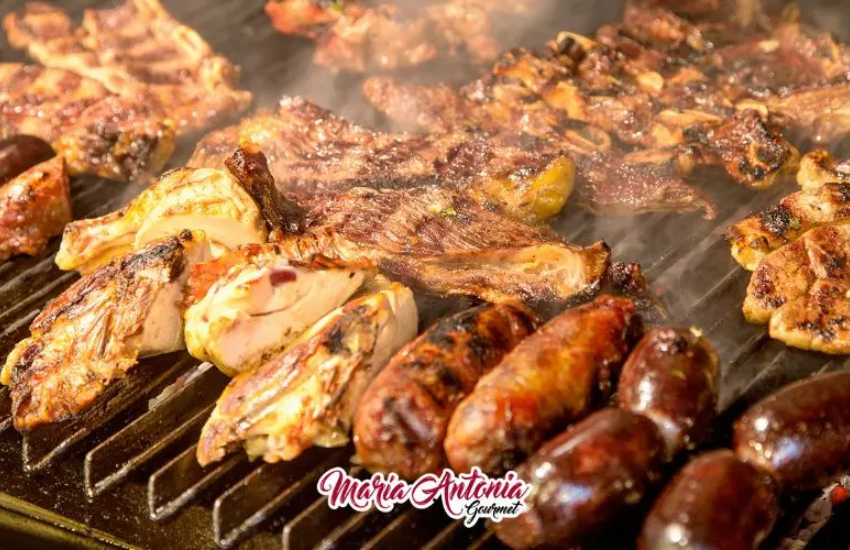
The word parrilla refers to a grill or barbecue, while venezolana identifies its Venezuelan culinary roots. Together, the expression describes a style of barbecue associated with Venezuela’s food traditions. Although grilled meat is enjoyed throughout Latin America, Venezuelan parrilla has its own character. It commonly features beef, chicken, pork, sausages, and other grilled specialties, accompanied by traditional sides such as arepas, yuca, fried plantains, and fresh salads. The combination creates a satisfying meal with different textures, flavors, and aromas.
One of the most appealing aspects of Parrilla Venezolana is its social atmosphere. In Venezuela, food often plays an important role in bringing people together, and a barbecue is an excellent example of this tradition. Families and friends gather around the grill, prepare ingredients, share stories, and enjoy freshly cooked food. The meal can be simple or elaborate, depending on the occasion, but the central idea remains the same: good food tastes even better when shared with others.
What Is Parrilla Venezolana?
Parrilla Venezolana is a traditional Venezuelan-inspired barbecue experience built around meat cooked over an open flame or hot grill. It usually includes several types of protein rather than focusing on only one ingredient. Beef is often a central attraction, but chicken, pork, chorizo, and other sausages may also appear on the grill. Each ingredient brings a different flavor, making the complete meal varied and enjoyable.
Unlike some barbecue styles that rely heavily on a single sauce, Venezuelan parrilla often highlights the natural taste of the meat. Salt, garlic, pepper, herbs, and simple marinades can provide plenty of flavor without overwhelming the ingredients. Cooking over charcoal or wood adds another layer of character, creating a smoky exterior while helping the inside remain tender and juicy. The exact preparation changes from one household, region, or restaurant to another.
A parrilla can also be customized according to personal preferences and available ingredients. Some people prefer a meat-heavy platter with different cuts of beef and pork, while others enjoy adding grilled chicken, vegetables, and traditional side dishes. Restaurants may offer individual portions or large sharing platters designed for groups. This flexibility makes Parrilla Venezolana suitable for casual meals, special celebrations, and larger social events.
The History and Cultural Importance of Venezuelan Parrilla
Venezuela has a diverse culinary history shaped by Indigenous traditions, Spanish influences, African heritage, and contributions from other immigrant communities. Its food culture developed through the interaction of different ingredients, cooking methods, and regional customs. Grilling meat became an important part of social dining, particularly in communities where livestock farming and outdoor cooking were familiar parts of everyday life.
The tradition of cooking meat over fire is much older than modern restaurants and commercial barbecue establishments. Across Venezuela, families have developed their own methods for preparing grilled food, often passing recipes and techniques from one generation to another. These methods may include particular seasoning combinations, preferred cuts of meat, charcoal preparation, and homemade sauces. Although recipes differ, the importance of fresh food and shared meals remains a common theme.
Parrilla also has a strong connection with celebrations and social gatherings. Birthdays, holidays, weekend get-togethers, and family reunions are all occasions when grilled food can become the center of attention. Preparing a large parrilla gives people an opportunity to participate in the cooking process instead of simply waiting for food to arrive at the table. Someone may manage the grill, another person may prepare the salads, and others may arrange the sauces and side dishes. This shared effort makes the meal feel special.
Popular Meats Used in Parrilla Venezolana
Beef: The Star of the Grill
Beef is one of the most important ingredients in many Venezuelan parrilla preparations. Different cuts can be used depending on availability, regional preferences, and the desired cooking style. Steak cuts are particularly popular because they can develop a flavorful outer crust while remaining tender inside. Some preparations use thin cuts that cook quickly, while thicker pieces require more attention and a longer cooking time.
The quality of beef makes a significant difference in the final result. Fresh meat with suitable marbling often produces a more flavorful and juicy grilled dish. Marbling refers to the small amounts of fat distributed throughout the muscle, which help contribute to tenderness and flavor during cooking. However, not every cut needs to be heavily marbled. Proper preparation and temperature control are equally important.
Seasoning is generally kept relatively straightforward so the natural beef flavor can remain noticeable. Salt, black pepper, garlic, and selected herbs are common choices. Some cooks marinate their beef before grilling, while others season it shortly before placing it over the heat. The best approach depends on the cut and the recipe, but avoiding unnecessary complexity allows the quality of the meat to shine.
Chicken: A Lighter and Flavorful Option
Chicken is another common component of Parrilla Venezolana. It offers a different texture and flavor compared with beef, making it an excellent addition to a mixed barbecue platter. Chicken thighs, drumsticks, wings, and boneless pieces can all be prepared on the grill. The choice depends on whether the cook wants a quick preparation or a more traditional, slower grilling process.
Garlic, lemon, oregano, paprika, pepper, and other seasonings can give grilled chicken a delicious flavor. Many cooks prefer marinating chicken for several hours to help the seasoning penetrate the surface. A good marinade also helps prevent the meat from becoming bland, especially when it is served alongside stronger-flavored grilled ingredients.
Cooking chicken requires particular attention because it must reach a safe internal temperature. Unlike steak, chicken should not be served undercooked. Using a food thermometer helps ensure that the thickest portion reaches 165°F (74°C). Proper heat management also prevents the outside from burning before the inside has finished cooking.
Pork and Sausages
Pork brings richness and variety to a Venezuelan barbecue. Depending on the preparation, it may appear as pork chops, ribs, tenderloin, or smaller grilled pieces. Pork has a naturally distinctive flavor that works well with garlic, herbs, citrus, and mildly sweet seasonings. When cooked properly, it can develop a delicious browned exterior while maintaining a tender interior.
Sausages are another popular addition to mixed parrilla platters. Chorizo is especially appealing because it often contains paprika, garlic, and other spices that create a bold flavor. As sausages cook, their outer casing becomes nicely browned, while the inside releases flavorful juices. They can be served whole, sliced into smaller pieces, or arranged alongside beef and chicken.
Combining several types of meat creates a more interesting meal because every ingredient offers something different. Beef provides a hearty taste, chicken contributes a milder flavor, and pork and sausages add richness and seasoning. This variety is one reason why large parrilla platters are particularly attractive for sharing.
Traditional Side Dishes Served With Parrilla Venezolana
Arepas
Arepas are among the most recognizable foods in Venezuelan cuisine. Made primarily from precooked cornmeal, water, and salt, these round breads can be grilled, baked, or cooked on a flat surface. Their outside can become lightly crisp while the inside remains soft and satisfying. They are frequently served alongside grilled meat because their mild corn flavor complements rich barbecue ingredients.
One advantage of arepas is their versatility. They can be served plain as a side dish or filled with cheese, shredded beef, chicken, beans, and other ingredients. At a parrilla gathering, smaller or simple arepas are often convenient because guests can use them to accompany meat or build their own combinations.
Arepas also add an authentic Venezuelan touch to the barbecue experience. Although they are available in many countries today, their connection with Venezuelan food traditions makes them particularly meaningful. Including fresh arepas in a parrilla meal helps create a more complete dining experience.
Yuca
Yuca, also known as cassava, is another traditional accompaniment. It is a starchy root vegetable with a mild taste and a firm texture when properly cooked. In Venezuelan meals, it is commonly boiled or fried and served with meat, sauces, or other side dishes. Its neutral flavor makes it an excellent partner for heavily seasoned barbecue.
Boiled yuca is generally soft and tender, while fried yuca develops a crisp exterior. Both versions work well with grilled beef, chicken, and pork. A little salt, garlic sauce, or homemade dressing can make the dish even more enjoyable without requiring complicated preparation.
Preparing yuca correctly is important. The root should be peeled and thoroughly cooked before consumption. Once tender, it can be served in pieces or cut into smaller portions for frying. Its satisfying texture and simple flavor make it a practical addition to a large parrilla platter.
Fried Plantains
Fried plantains, commonly known as tajadas when sliced lengthwise, add a sweet contrast to the savory flavors of grilled meat. Ripe plantains are usually selected because their natural sugars create a pleasant sweetness during frying. The edges become golden and slightly crisp, while the center remains soft.
This combination of sweet and savory flavors is one of the most enjoyable aspects of Venezuelan cooking. A piece of grilled beef paired with a sweet plantain creates a balanced bite that feels different from eating meat alone. The plantains also bring color and variety to the serving platter.
Although fried plantains are relatively simple to prepare, choosing the right level of ripeness matters. Yellow plantains with dark spots are generally suitable for a sweeter result. They should be sliced evenly and fried until golden, allowing them to develop a pleasant texture without becoming overly greasy.
Fresh Salads
A fresh salad provides balance to a meal that contains several grilled meats and fried sides. Venezuelan-style barbecue meals may include lettuce, tomatoes, onions, cabbage, cucumber, or avocado, depending on the recipe and the cook’s preferences. These ingredients add freshness, color, and a lighter texture to the platter.
Simple dressings made with lemon juice, vinegar, olive oil, salt, and pepper can enhance the vegetables without overpowering them. Some families prefer creamy dressings, while others keep their salads light and refreshing. The goal is to create a side dish that complements the richness of the meat.
Fresh vegetables also make a large parrilla platter look more inviting. Their bright colors contrast beautifully with browned grilled meat and golden fried plantains. More importantly, they provide additional variety and help create a meal that feels balanced.
Traditional Sauces and Seasonings
Sauces play an important role in making Parrilla Venezolana more flavorful. Although the meat may already be seasoned before cooking, different sauces allow guests to customize each bite. Garlic-based sauces, herb dressings, and spicy condiments are all useful options. Some restaurants prepare their own signature sauces, giving their parrilla dishes a distinctive identity.
One popular Latin American sauce that pairs beautifully with grilled meat is chimichurri. Although it is more strongly associated with Argentina and other South American barbecue traditions, it is also enjoyed in many Venezuelan-inspired barbecue settings. It commonly contains parsley, garlic, oil, vinegar, oregano, and seasonings. Its fresh and slightly acidic flavor helps balance the richness of grilled beef.
Guasacaca is another important Venezuelan condiment worth mentioning. It is a flavorful sauce commonly prepared with avocado, herbs, garlic, onion, vinegar or citrus juice, and other ingredients. Recipes vary considerably, with some versions being smoother and others more textured. Its fresh, creamy character makes it an excellent accompaniment to grilled meat, arepas, and yuca.
Garlic sauce is also a convenient choice for people who enjoy stronger flavors. It can be prepared using garlic, mayonnaise or another creamy base, lemon juice, and seasonings. The result is a smooth condiment that works especially well with chicken and fried sides. Offering several sauces allows everyone at the table to enjoy the parrilla according to their preferences.
How Parrilla Venezolana Is Prepared
Preparing a delicious parrilla begins with selecting good-quality ingredients. The meat should be fresh, properly stored, and suitable for grilling. Different cuts require different preparation methods, so it is helpful to plan the menu before lighting the grill. Beef, chicken, pork, and sausages should be arranged according to their cooking requirements.
The next step involves seasoning and preparation. Some meats benefit from marinades containing garlic, citrus juice, herbs, oil, and spices. Others need only salt and pepper. Marinades should be prepared using clean equipment, and raw meat should be kept refrigerated while it absorbs the flavors. Separate utensils should be used for raw and cooked ingredients to prevent cross-contamination.
Preparing the grill properly is equally important. Many traditional barbecue cooks prefer charcoal because it provides consistent heat and a characteristic smoky flavor. Once the charcoal has developed a suitable bed of glowing embers, the grill can be arranged to create different heat zones. A hotter area is useful for searing, while a cooler area allows thicker pieces to finish cooking more gently.
The cooking process requires patience and attention. Meat should be turned when appropriate, rather than repeatedly moved around the grill. Different ingredients should be added according to their cooking times. Sausages, chicken, pork, and beef may not all finish at the same moment, so organizing the cooking order makes serving easier.
After cooking, the meat should be allowed to rest for an appropriate period. Resting helps retain moisture and allows the juices to redistribute. Once ready, the meat can be sliced and arranged on a large serving platter alongside arepas, yuca, plantains, salads, and sauces. The final presentation should be generous, colorful, and convenient for sharing.
The Importance of Charcoal and Grilling Techniques
Charcoal is an important part of the traditional barbecue experience because it contributes to the flavor and aroma of grilled food. Unlike indoor cooking methods, charcoal grilling exposes ingredients to radiant heat and smoke, creating a distinctive surface texture. The result can be a beautifully browned exterior with a flavorful grilled character.
Controlling charcoal temperature is one of the most important skills in preparing a good parrilla. If the grill becomes too hot, the outside of the meat may burn before the inside is properly cooked. If the temperature is too low, the meat may take longer to develop the desired browning. Creating separate hot and cooler areas provides greater control over the cooking process.
Searing is another valuable technique. It involves exposing meat to relatively high heat to encourage browning on the surface. This creates appealing color and complex roasted flavors. However, searing does not automatically seal in juices, so proper cooking temperature and resting remain essential for producing tender meat.
Wood can also be used to add different smoky characteristics, provided it is suitable for food cooking. Some types of wood produce a stronger smoke flavor than others. The important thing is to use clean, untreated wood and avoid materials containing paint, chemicals, or other harmful substances. Good fuel management improves both flavor and cooking consistency.
Regional Variations of Parrilla in Venezuela
Venezuela is a geographically diverse country, and its food traditions vary from one region to another. Coastal communities, mountainous areas, plains, and urban centers all have different culinary influences and ingredient preferences. As a result, there is no single recipe that represents every Venezuelan parrilla.
In the Llanos region, cattle farming has historically played an important role in local life. This connection with livestock and outdoor cooking contributes to a strong tradition of preparing meat over fire. Grilled beef and other meat-based dishes fit naturally into the region’s food culture, although individual preparations differ between communities.
In urban areas such as Caracas, Valencia, and Maracaibo, parrilla restaurants may combine traditional Venezuelan ingredients with modern restaurant techniques. A menu might include different cuts of meat, imported sausages, creative sauces, and a wide selection of side dishes. These establishments often adapt the experience to suit families, couples, and larger groups.
Coastal areas may also reflect the availability of seafood and other local ingredients. Some barbecue menus include grilled fish or seafood alongside traditional meats. While these variations are not identical to a classic meat-centered parrilla, they demonstrate the flexibility of Venezuelan grilling traditions.
Parrilla Venezolana as a Social Dining Experience
Food is often a central part of social life in Venezuela, and parrilla is particularly suited to gatherings. Unlike meals that require everything to be prepared in advance, a barbecue allows the cooking process to become part of the occasion. Guests can talk, enjoy refreshments, help prepare side dishes, and watch the meat cook over the fire.
Family gatherings are among the most familiar settings for enjoying a parrilla. Relatives may come together on weekends, holidays, or special occasions to share a large meal. Everyone can contribute in some way, whether by seasoning the meat, preparing the salad, arranging the table, or managing the grill.
The atmosphere is often relaxed and informal. Instead of following a strict dining schedule, people may eat in stages as different ingredients become ready. Sausages might be served first, followed by beef and chicken, with side dishes available throughout the gathering. This style of serving makes it easy for guests to enjoy the meal at their own pace.
Parrilla also creates opportunities for cultural connection. Venezuelans living abroad may prepare familiar barbecue dishes to maintain a connection with their heritage. Sharing traditional food with friends from different backgrounds can introduce new people to Venezuelan flavors and cooking customs. In this way, parrilla becomes more than a meal; it becomes a way to preserve and celebrate cultural identity.
Parrilla Venezolana in Restaurants
Venezuelan restaurants and Latin American barbecue establishments have helped introduce parrilla to wider audiences. Some specialize in traditional meat platters, while others combine Venezuelan dishes with broader South American barbecue influences. Their menus may feature grilled beef, chicken, pork, sausages, arepas, yuca, plantains, and homemade sauces.
Restaurant presentation can vary considerably. Some places serve individual plates with a selected combination of meat and sides, while others offer large mixed platters designed for several people. Sharing platters are especially popular because they allow customers to sample different ingredients without ordering several separate meals.
The quality of a restaurant’s parrilla depends on several factors. Fresh ingredients, proper seasoning, skilled grilling, and consistent food preparation all contribute to a satisfying experience. The meat should be cooked according to the customer’s preference where appropriate, while chicken and other proteins must always be prepared safely. Well-prepared side dishes and sauces can further improve the meal.
When choosing a restaurant, customers may want to consider the menu, portion sizes, food quality, service, and overall atmosphere. Reading recent reviews can provide useful information about other diners’ experiences, although individual opinions naturally differ. A good parrilla restaurant should offer more than large portions; it should provide flavorful food and an enjoyable dining environment.
How to Make Parrilla Venezolana at Home
Making Parrilla Venezolana at home is a great way to enjoy Venezuelan-inspired barbecue without visiting a restaurant. The process does not need to be complicated. A suitable grill, quality ingredients, basic seasonings, and a little preparation are enough to create a satisfying meal. The most important thing is to organize the ingredients and allow sufficient time for cooking.
For a simple home parrilla, choose a combination of beef, chicken, pork sausages, or chorizo. Add arepas, boiled or fried yuca, ripe plantains, and a fresh salad. You do not need to include every possible ingredient. A smaller selection prepared properly will often produce a better result than an oversized menu that becomes difficult to manage.
Season the ingredients according to their individual needs. Beef can be seasoned with salt, pepper, and garlic, while chicken may benefit from a marinade containing lemon juice, oregano, paprika, and oil. Pork can be prepared with garlic, herbs, and a little citrus. Keep the ingredients refrigerated until they are ready to cook, and avoid using leftover marinade that has contacted raw meat unless it is thoroughly cooked first.
Prepare the grill and establish different heat zones. Start with ingredients that need more cooking time, and add faster-cooking items later. Use a thermometer to check that chicken reaches 165°F (74°C), ground meats reach the appropriate safe temperature, and whole cuts of pork and beef are cooked according to reliable food-safety guidance and personal preference. Once everything is ready, let the meat rest and arrange it on a large platter.
Finish the meal by adding fresh sauces and side dishes. Guasacaca, garlic sauce, and chimichurri can offer different flavor options. Place the arepas and yuca around the meat, add the plantains and salad, and serve everything while warm. This simple arrangement creates an inviting meal that captures the spirit of Venezuelan barbecue.
Nutritional Value of Parrilla Venezolana
The nutritional value of Parrilla Venezolana depends on the ingredients, portion sizes, cooking methods, and accompanying sauces. Grilled meat can provide protein, iron, zinc, and several B vitamins. Chicken is another valuable protein source, while beef can contribute important minerals that support normal body functions.
However, a large parrilla platter can also contain significant amounts of calories, saturated fat, and sodium, particularly when it includes fatty meat cuts, processed sausages, generous portions, and creamy sauces. The nutritional profile is therefore not the same for every version of the meal. Choosing leaner cuts and controlling portion sizes can help create a more balanced plate.
Traditional side dishes also contribute different nutrients. Arepas provide carbohydrates, while yuca is a source of starch and energy. Plantains contain carbohydrates and potassium, and fresh salads provide fiber, vitamins, and minerals. Combining these foods creates a wider range of nutritional components than eating grilled meat alone.
People who want a lighter version can increase the proportion of vegetables, select leaner meat, reduce the amount of added oil, and serve sauces separately. Grilling rather than deep-frying the main protein can also reduce added fat. There is no need to remove traditional ingredients entirely; thoughtful portions and variety can make the meal more balanced while preserving its familiar character.
Common Mistakes to Avoid When Preparing Parrilla
One common mistake is choosing meat without considering its suitability for grilling. Different cuts have different levels of tenderness, fat content, and cooking requirements. A cut that works well with slow cooking may not produce the same result when placed directly over high heat. Understanding the ingredients before starting helps avoid disappointing results.
Another mistake is using excessive heat throughout the entire cooking process. While high heat is useful for browning, it can cause thinner pieces or fatty ingredients to burn quickly. A two-zone grill setup provides greater flexibility and allows thicker pieces to finish cooking without exposing them to excessive direct heat.
Over-seasoning can also affect the final flavor. Some cooks use too many spices, sauces, and marinades, making it difficult to appreciate the natural taste of the meat. A simple seasoning combination is often enough, particularly when the barbecue includes several different proteins. Sauces can be offered separately so guests can adjust the flavor themselves.
Poor preparation and food handling are equally important issues. Leaving raw meat unrefrigerated for extended periods, using the same plate for raw and cooked food, or failing to check internal temperatures can create food-safety risks. Clean equipment, proper refrigeration, separate utensils, and a reliable thermometer help make the cooking process safer.
Finally, rushing the meal can reduce its quality. A good parrilla requires preparation, temperature management, and appropriate resting time. Trying to cook everything simultaneously may result in some ingredients being overcooked while others remain unfinished. Planning the cooking order makes the entire experience more enjoyable.
Why Parrilla Venezolana Is Popular Around the World
Venezuelan cuisine has gained international attention as people discover its distinctive dishes, ingredients, and culinary traditions. Arepas, tequeños, cachapas, and other Venezuelan favorites have become familiar in restaurants and food communities across different countries. Parrilla is another part of this culinary identity that appeals to people who enjoy hearty, flavorful meals.
One reason for its international appeal is the familiarity of grilled food. Barbecue is enjoyed in many cultures, so people can easily appreciate the basic idea of cooking meat over fire. What makes the Venezuelan approach interesting is the combination of proteins, traditional side dishes, and sauces that create a distinctive regional experience.
The flexibility of parrilla also contributes to its popularity. It can be adapted for different budgets, group sizes, and dietary preferences. A restaurant can offer premium beef platters, while a family can prepare a more affordable version using chicken, sausages, and seasonal vegetables. The essential experience does not depend on expensive ingredients.
Social media and international food communities have also made it easier for people to discover Venezuelan dishes. Food photographs, restaurant reviews, home-cooking videos, and cultural content introduce new audiences to traditional meals. As more Venezuelan communities establish restaurants and food businesses abroad, the flavors of their home country reach an increasingly diverse audience.
How to Enjoy an Authentic Parrilla Venezolana Experience
Enjoying a traditional parrilla begins with appreciating the variety of ingredients. Instead of focusing only on the largest piece of meat, try combining different proteins with the side dishes. A bite of grilled beef with arepa, a piece of chorizo with yuca, or chicken with fresh guasacaca can provide a different flavor experience each time.
It is also worth exploring the sauces. Guasacaca offers a fresh and creamy option, while chimichurri provides herbal and acidic notes. Garlic sauce can add richness, and spicy condiments are useful for people who enjoy stronger flavors. Trying small amounts of different sauces helps identify the combinations you enjoy most.
The social setting is another important part of the experience. Parrilla is often best enjoyed with family or friends, especially when served on a large platter. Sharing the food allows everyone to sample different ingredients and makes the meal feel more relaxed. The atmosphere, conversation, and freshly prepared food all contribute to the overall experience.
If you are visiting a Venezuelan restaurant for the first time, consider ordering a mixed parrilla platter when available. It provides an opportunity to explore several grilled specialties in one meal. Ask the restaurant about its traditional sides and house-made sauces, as these can reveal more about its particular cooking style.
Frequently Asked Questions About Parrilla Venezolana
1. What Does Parrilla Venezolana Mean?
Parrilla Venezolana refers to a Venezuelan-style barbecue featuring grilled meats and traditional accompaniments. It commonly includes beef, chicken, pork, and sausages, served with ingredients such as arepas, yuca, plantains, salads, and sauces. The exact combination varies between households and restaurants.
2. What Meat Is Commonly Used in Parrilla Venezolana?
Beef is one of the most popular choices, but chicken, pork, and sausages are also common. Some preparations use several proteins in the same platter, creating a variety of textures and flavors. The selection depends on the recipe, regional preferences, and availability.
3. Is Parrilla Venezolana Spicy?
Traditional parrilla is not necessarily spicy. The meat is often seasoned with salt, garlic, pepper, herbs, and other ingredients that enhance its natural flavor. Spicy sauces or condiments may be served separately for people who prefer extra heat.
4. What Is Guasacaca?
Guasacaca is a popular Venezuelan sauce commonly made with avocado, herbs, garlic, onion, and vinegar or citrus juice. Recipes differ, but it generally has a fresh, creamy, and slightly tangy flavor. It is frequently served with grilled meat, arepas, and other traditional dishes.
5. What Side Dishes Go Best With Venezuelan Parrilla?
Arepas, boiled or fried yuca, fried plantains, and fresh salads are excellent accompaniments. These dishes provide a combination of textures and flavors that complement grilled meat. Guasacaca and garlic sauce can also make the meal more enjoyable.
6. Can Parrilla Venezolana Be Prepared Without Charcoal?
Yes. Although charcoal provides a distinctive smoky flavor, a gas grill or suitable indoor grill can also be used. The cooking method may affect the aroma and final texture, but quality ingredients and proper temperature control can still produce an enjoyable result.
7. Is Parrilla Venezolana Suitable for Family Gatherings?
Absolutely. It is particularly suitable for family gatherings because different ingredients can be prepared and shared at the same time. Large platters allow guests to sample several foods, and the cooking process itself can become part of the social occasion.
8. Is Parrilla Venezolana the Same as Argentine Asado?
They share the basic concept of cooking meat over fire, but they are not exactly the same. Argentine asado has its own traditional cuts, grilling customs, and regional identity. Venezuelan parrilla often features a broader combination of meats, arepas, yuca, plantains, and Venezuelan sauces.
9. What Makes Venezuelan Parrilla Different From Regular Barbecue?
Its combination of grilled proteins and traditional Venezuelan accompaniments gives it a distinctive identity. Instead of focusing exclusively on meat, a complete parrilla meal often includes corn-based breads, cassava, plantains, fresh salads, and flavorful sauces. The social tradition surrounding the meal is also an important part of its appeal.
10. Can I Make a Vegetarian Version of Parrilla Venezolana?
Yes. A vegetarian-inspired version can include grilled vegetables, corn, plantains, arepas, yuca, avocado, and traditional sauces. Mushrooms, peppers, onions, zucchini, and eggplant can also be grilled. This approach preserves the shared barbecue experience while replacing meat with plant-based ingredients.
Conclusion: Why Parrilla Venezolana Deserves a Place on Your Table
Parrilla Venezolana represents much more than grilled meat. It brings together traditional ingredients, practical cooking techniques, regional influences, and the importance of sharing food with others. From juicy beef and flavorful chicken to grilled sausages, arepas, yuca, and sweet plantains, every component contributes something special to the overall meal.
Its appeal comes from its flexibility and welcoming nature. A parrilla can be prepared at home with a few carefully selected ingredients or enjoyed at a restaurant with a generous assortment of meats and traditional sides. It can be a casual weekend meal, a family celebration, or an opportunity to introduce friends to Venezuelan culinary traditions.
The sauces and accompaniments are equally important. Guasacaca, garlic sauce, fresh salads, and other condiments create additional layers of flavor while balancing the richness of the grilled ingredients. Combined with proper grilling techniques and good-quality food, they help create a memorable dining experience.
Ultimately, Parrilla Venezolana celebrates the idea that delicious food is even better when people come together to enjoy it. Its combination of smoky flavors, satisfying ingredients, and social traditions makes it an important part of Venezuela’s culinary identity. Whether you are discovering it for the first time or already love Venezuelan barbecue, this traditional meal offers plenty of reasons to gather around the table and enjoy something delicious.
YOU MAY HAVE MISSED