Introduction to Pozole
Pozole is one of Mexico’s most beloved traditional dishes, known for its rich broth, tender hominy, flavorful meat, and colorful toppings. More than just a comforting bowl of soup, pozole represents Mexican culinary heritage, family traditions, and the importance of sharing food with loved ones. It is commonly prepared for celebrations, holidays, family gatherings, and special occasions, although many people also enjoy it as an everyday meal.
The dish is particularly recognizable because of its large pieces of hominy, which are dried corn kernels treated through a process called nixtamalization. These kernels become soft, fluffy, and slightly chewy when cooked. Combined with meat, seasonings, and a carefully prepared broth, they create a satisfying meal with a distinctive texture and flavor.
Pozole comes in several varieties, including pozole rojo, pozole verde, and pozole blanco. Each version has its own ingredients, preparation methods, and regional influences. Some recipes feature dried red chilies, while others use green tomatillos, fresh herbs, and roasted peppers. The toppings also make the dish special, allowing everyone to customize their bowl according to personal taste.
Let’s go deeper into the history, ingredients, cooking techniques, regional variations, nutritional value, and cultural significance of pozole to understand why this traditional Mexican soup continues to attract food lovers worldwide.
What Is Pozole?
Pozole is a traditional Mexican soup or stew made primarily with hominy, meat, and a seasoned broth. Pork is one of the most common proteins used in traditional recipes, but chicken is another popular option. The dish is usually served hot in a large bowl with fresh toppings that add texture, acidity, and additional flavor.
The defining ingredient is hominy, which is made from corn kernels that have undergone nixtamalization. Unlike ordinary sweet corn, hominy has a larger appearance and a softer, more substantial texture. During cooking, the kernels absorb the surrounding broth and develop a pleasant, slightly earthy flavor.
What makes pozole particularly interesting is its versatility. The basic combination of hominy and broth can be transformed using different chilies, vegetables, herbs, and spices. Some cooks prefer a mild preparation, while others enjoy a deeply flavored broth with noticeable heat.
Pozole is generally served as a complete meal rather than a small starter. Its combination of carbohydrates, protein, liquid, and fresh vegetables makes it filling and satisfying. It is also traditionally prepared in large quantities, making it ideal for feeding families and groups of guests.
The History and Origins of Pozole
Pozole has a long history connected to the Indigenous civilizations of Mexico, particularly communities that cultivated corn as a central part of their diets. Corn was not simply another agricultural product. It played an important role in everyday survival, religious beliefs, traditional cooking, and cultural identity.
The name pozole is commonly associated with the Nahuatl word pozolli, which is generally translated as foamy or frothy. This description is connected to the appearance of the corn kernels as they cook and expand. Over time, the dish developed into several regional preparations that reflected local ingredients and culinary traditions.
Historical accounts connect pozole with ceremonial practices in pre-Hispanic Mexico. Some descriptions of these traditions involve ritual practices that are very different from modern food preparation. It is important to distinguish these historical accounts from contemporary pozole, which is an ordinary and widely enjoyed food made with ingredients such as pork, chicken, vegetables, and hominy.
Following the Spanish conquest, Mexican cuisine underwent major changes as European ingredients, livestock, and cooking techniques became more widely incorporated. Pork eventually became a particularly important ingredient in many versions of pozole.
Today, pozole is enjoyed throughout Mexico and by Mexican communities around the world. Although recipes differ from family to family, its connection to corn, community, and Mexican cultural heritage remains central to the dish’s identity.
Why Is Pozole So Popular?
One major reason for pozole’s popularity is its comforting flavor. The broth develops a rich taste as the meat, hominy, chilies, and seasonings cook together. Unlike some soups that rely on a single dominant ingredient, pozole combines several flavors that complement one another.
Another reason is its adaptability. People can choose different proteins, adjust the spice level, and add their favorite toppings. Someone who enjoys spicy food might add extra chili sauce, while another person might prefer a milder bowl with plenty of lettuce, radishes, and lime.
Pozole is also closely connected to social occasions. Families frequently prepare it for birthdays, holidays, reunions, and weekend gatherings. Since the recipe can easily be scaled up, one large pot can provide generous portions for many people.
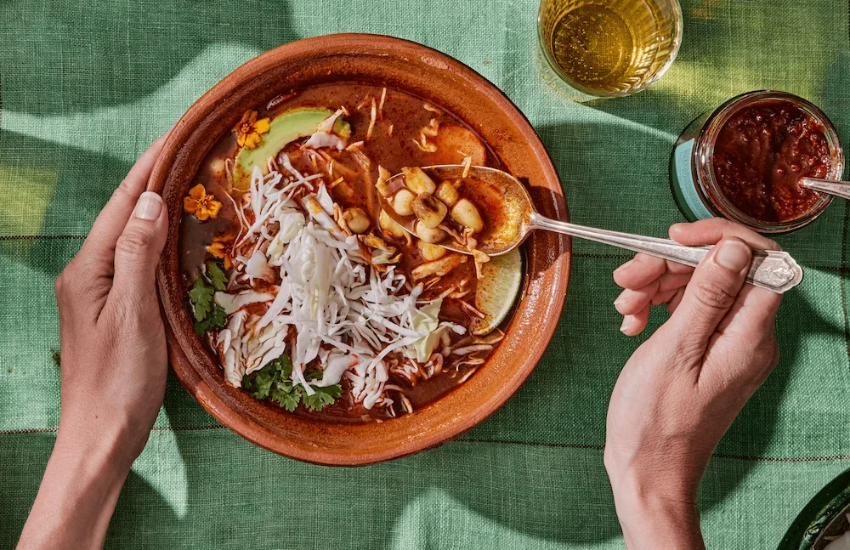
Its visual appeal also contributes to its popularity. A traditional bowl often contains bright green lettuce, pink radishes, white hominy, fresh lime, and a rich red or green broth. The combination creates an inviting presentation that makes the meal even more enjoyable.
The Main Ingredients Used in Pozole
The ingredients used in pozole depend on the regional style and individual recipe. However, a few basic components appear in most traditional preparations.
Understanding these ingredients is useful because each one contributes something different to the final dish. Some provide the foundation, others develop the broth, and additional ingredients create balance and freshness.
1. Hominy
Hominy is the most recognizable ingredient in pozole. It consists of dried corn kernels that have been processed through nixtamalization, a traditional method involving an alkaline solution.
This process changes the structure of the corn and makes its nutrients more accessible. It also gives hominy its distinctive texture and flavor. When cooked properly, the kernels become soft and may open or bloom, creating a fluffy appearance.
Canned hominy is a convenient option for home cooks because it is already cooked and only requires rinsing and heating. Dried hominy is another option, although it usually requires soaking and a longer cooking period.
2. Pork
Pork is commonly used in many traditional pozole recipes. Cuts such as pork shoulder work especially well because they contain enough connective tissue and fat to become tender during slow cooking.
As the pork simmers, its flavor moves into the broth, producing a rich and satisfying base. The meat can be shredded or cut into smaller pieces before serving.
Some recipes combine different pork cuts to achieve a balance of tenderness and flavor. However, a single well-chosen cut can also produce excellent results.
3. Chicken
Chicken is a popular alternative to pork, particularly for people who prefer a lighter soup. Chicken thighs are especially useful because they remain moist during cooking and provide plenty of flavor.
Chicken breast can also be used, although it requires careful cooking to prevent dryness. Once cooked, the chicken is usually shredded and returned to the broth.
Chicken pozole works particularly well with green or white preparations. However, it can also be used in red pozole without losing the dish’s traditional character.
4. Dried Chilies
Dried chilies provide much of the flavor and color in pozole rojo. Guajillo and ancho chilies are frequently used because they offer a combination of mild heat, earthy flavor, and subtle sweetness.
Some recipes include additional varieties to create a more complex chili base. The chilies are usually deseeded, briefly toasted, soaked in hot water, and blended with garlic, onion, and spices.
The resulting mixture is strained before being added to the soup. This creates a smoother broth and helps remove unwanted pieces of chili skin.
5. Garlic and Onion
Garlic and onion are essential flavor-building ingredients. They help create a savory foundation that complements the hominy and meat.
Some cooks add whole onion and garlic cloves directly to the cooking liquid. Others blend them into a chili sauce or sauté them before adding the broth.
The preparation method depends on the desired flavor. Slowly cooked onions develop sweetness, while garlic contributes a recognizable savory aroma.
6. Mexican Oregano
Mexican oregano is a traditional seasoning that adds an herbal, slightly citrusy flavor. It is different from Mediterranean oregano, although both can be used in cooking.
A small amount can make a noticeable difference in the broth. Many cooks add oregano during simmering and provide extra dried oregano at the table.
7. Salt and Other Seasonings
Salt is necessary for bringing the individual flavors together. Without proper seasoning, even a carefully prepared pozole can taste flat.
Black pepper, cumin, bay leaves, and other spices may also appear depending on the recipe. However, the seasoning should complement the main ingredients rather than overpower them.
The Three Main Types of Pozole
Although many regional variations exist, pozole is commonly divided into three major styles: rojo, verde, and blanco.
Each version offers a different flavor experience. Understanding the differences can help anyone choose the style that best matches their preferences.
Pozole Rojo
Pozole rojo is one of the most recognizable versions of this traditional Mexican soup. Its deep red color comes from dried chilies, especially guajillo and ancho varieties.
The chili sauce gives the broth a rich, earthy flavor with gentle sweetness and varying levels of heat. Depending on the recipe, cooks may include additional chilies to create more complexity.
Pork is a common protein choice, although chicken can also be used. The meat is slowly simmered until tender, while hominy provides the distinctive texture that makes the dish recognizable.
Pozole rojo is usually served with shredded cabbage or lettuce, sliced radishes, chopped onion, lime wedges, and tostadas. Some people also add avocado or extra chili sauce.
Pozole Verde
Pozole verde is known for its fresh green color and bright flavor. Its sauce commonly includes tomatillos, green chilies, cilantro, and other green ingredients.
Tomatillos provide a pleasant tartness that balances the richness of the broth. Pumpkin seeds, known as pepitas, may also be included to create a thicker texture and a slightly nutty flavor.
Chicken is particularly common in this preparation, although pork versions also exist. The combination of tender meat, hominy, and green sauce creates a flavorful meal that feels different from the deeper taste of pozole rojo.
Popular toppings include lettuce, radishes, onion, oregano, lime, and avocado. These ingredients enhance the freshness of the soup without covering up its original flavor.
Pozole Blanco
Pozole blanco is the simplest-looking version because it does not contain the red chili sauce associated with pozole rojo or the green sauce used in pozole verde.
Its broth is usually made with meat, hominy, garlic, onion, and traditional seasonings. This allows the natural flavors of the ingredients to remain noticeable.
Although it looks simpler, pozole blanco is not necessarily less flavorful. A carefully prepared broth can have considerable depth, particularly when the meat is simmered slowly and seasoned properly.
The dish is commonly served with traditional toppings, including shredded cabbage, radishes, onion, oregano, lime, and chili peppers. Diners can adjust the flavor individually at the table.
Pozole Rojo vs. Pozole Verde vs. Pozole Blanco
Choosing between the three major varieties depends largely on personal taste. Each preparation offers a different balance of ingredients and flavors.
All three varieties use hominy as their defining ingredient. The biggest difference is the broth and the ingredients used to develop its flavor.
How to Make Traditional Pozole at Home
Preparing pozole at home may seem complicated at first, but the process becomes manageable when divided into simple stages.
The most important steps involve preparing the meat, cooking the hominy, developing the broth, and bringing everything together. Taking enough time during these stages makes a noticeable difference in the final result.
Here is a traditional-style pozole rojo recipe that home cooks can follow.
Ingredients for Pozole Rojo
For approximately six to eight servings, you will need:
- 2 pounds pork shoulder, cut into large pieces
- 2 cans hominy, drained and rinsed
- 4 dried guajillo chilies
- 2 dried ancho chilies
- 1 medium white onion
- 5 garlic cloves
- 2 bay leaves
- 1 teaspoon Mexican oregano
- 1 teaspoon ground cumin
- 8 cups water or pork broth
- Salt and black pepper to taste
For serving:
- Shredded cabbage or lettuce
- Sliced radishes
- Chopped white onion
- Fresh cilantro
- Lime wedges
- Dried oregano
- Tostadas
- Sliced avocado, optional
Step 1: Prepare the Pork
Begin by cutting the pork shoulder into manageable pieces. Remove any excessively large pieces of fat, but leave enough marbling to keep the meat moist during cooking.
Place the pork in a large cooking pot and add water or broth. Add half of the onion, two garlic cloves, bay leaves, and a little salt.
Bring the liquid to a gentle boil, then reduce the heat. Allow the pork to simmer until it becomes tender. Depending on the size of the pieces, this may take approximately 1.5 to 2 hours.
During cooking, skim away excessive foam that collects on the surface. This helps keep the broth cleaner and improves its appearance.
Step 2: Prepare the Hominy
If you are using canned hominy, drain it and rinse it thoroughly under clean running water. This removes excess canning liquid and helps prepare the kernels for the soup.
Dried hominy requires more preparation. It generally needs soaking and extended cooking before it becomes tender. Follow the package instructions because preparation times can vary between products.
Once the hominy is ready, keep it separate until the pork broth has developed enough flavor. Adding it at the appropriate stage helps prevent overcooking.
Step 3: Prepare the Red Chili Sauce
Remove the stems and seeds from the dried guajillo and ancho chilies. Briefly toast them in a dry skillet over medium-low heat.
Be careful not to burn the chilies. Excessive heat can create a bitter flavor that negatively affects the entire soup.
Place the toasted chilies in a bowl and cover them with hot water. Let them soak for approximately 15 minutes until softened.
Transfer the chilies to a blender with the remaining onion, garlic, cumin, and some soaking liquid. Blend until the mixture becomes smooth.
For a more refined texture, strain the sauce through a fine-mesh sieve.
Step 4: Combine the Ingredients
Once the pork becomes tender, remove it from the pot. Shred or cut it into smaller pieces, depending on your preference.
Add the prepared chili sauce to the pork broth and stir thoroughly. Allow the mixture to simmer for approximately 10 to 15 minutes so the flavors can combine.
Return the pork to the pot and add the hominy. Stir gently to distribute the ingredients evenly.
Taste the broth and adjust the salt, pepper, and oregano as needed.
Step 5: Simmer Until Flavorful
Allow the pozole to simmer gently for another 20 to 30 minutes. This gives the hominy time to absorb the flavor of the broth.
Avoid cooking the soup at an aggressive boil because excessive heat can break down the meat and affect the texture of the hominy.
Stir occasionally and check the consistency. If the broth becomes too concentrated, add a little hot water or additional stock.
Step 6: Prepare the Toppings
While the soup finishes cooking, prepare the toppings.
Shred the cabbage or lettuce, slice the radishes, chop the onion, and cut the limes into wedges. Arrange everything in separate serving bowls.
This traditional presentation makes it easy for everyone to customize their meal.
Step 7: Serve the Pozole
Ladle the hot pozole into large bowls, making sure each serving contains a generous amount of hominy, meat, and broth.
Add the desired toppings and finish with fresh lime juice. Serve immediately with tostadas or tortilla chips.
The finished soup should have tender meat, soft hominy, and a flavorful broth that brings everything together.
Important Tips for Making Better Pozole
A good pozole recipe depends on more than simply combining ingredients. Small adjustments during preparation can improve the flavor, texture, and overall presentation.
First, choose meat that is suitable for slow cooking. Pork shoulder is an excellent option because its connective tissue gradually softens, producing tender meat and a flavorful broth.
Second, avoid burning dried chilies. Although briefly toasting them improves their aroma, excessive heat can make them bitter. Use moderate heat and remove the chilies as soon as they become fragrant.
Third, give the broth enough time to develop. Pozole benefits from gentle simmering because it allows the meat, seasonings, and other ingredients to work together.
Another important tip is to season gradually. Adding too much salt at the beginning can become a problem if the broth reduces during cooking. Taste the soup toward the end and make the final adjustments.
Finally, prepare fresh toppings shortly before serving. Their crispness provides a pleasant contrast to the warm, soft ingredients in the soup.
Traditional Toppings for Pozole
Toppings are an essential part of the pozole experience. They introduce additional textures and flavors while allowing diners to personalize their bowls.
Shredded Cabbage
Cabbage is one of the most common pozole toppings. Its crisp texture contrasts with the soft hominy and tender meat.
It also provides a mild, slightly sweet flavor that works particularly well with rich red chili broth. Finely shredded cabbage is usually easier to eat than large pieces.
Radishes
Radishes add crunch, freshness, and a slightly peppery taste. Their bright pink or red skin also creates an attractive contrast against the soup.
Thin slices are generally preferred because they distribute easily throughout the bowl.
Fresh Lime
Lime juice is particularly important because its acidity balances the richness of the broth.
A small squeeze can brighten the entire dish. People who enjoy a stronger citrus flavor can add additional lime according to their preferences.
Chopped Onion
Raw white onion provides a sharp, savory flavor that complements the slow-cooked ingredients.
It is usually sprinkled over the soup immediately before serving. Finely chopped onion works best because it distributes evenly.
Mexican Oregano
Dried Mexican oregano adds an herbal aroma and subtle citrus notes.
Some people crush the oregano between their fingers before sprinkling it over the soup. This releases more of its fragrance.
Avocado
Avocado is an optional topping that adds a creamy texture. It is particularly popular with pozole verde, although it can also complement red and white varieties.
Fresh avocado should be added just before eating to maintain its appearance and texture.
Tostadas
Tostadas provide a crispy side that contrasts with the warm soup. They can be served plain or topped with beans, lettuce, cheese, or other ingredients.
Some diners crumble small pieces into their pozole, while others enjoy them separately.
Regional Variations of Pozole in Mexico
Pozole is not prepared identically throughout Mexico. Different regions have developed their own approaches based on available ingredients, cooking traditions, and family preferences.
These regional differences make the dish especially interesting because they show how a traditional recipe can evolve without losing its original identity.
Guerrero-Style Pozole
Guerrero is particularly associated with pozole traditions, including green and white preparations.
Pozole verde from this region often features ingredients such as green chilies, herbs, and pumpkin seeds. The result is a broth with a distinctive fresh and nutty flavor.
The state also has a strong tradition of serving pozole during social gatherings and special occasions. In some communities, pozole is closely associated with Thursday celebrations.
Jalisco-Style Pozole
Jalisco is known for its rich Mexican food culture, and pozole rojo is a popular preparation in the region.
Recipes commonly use pork, hominy, dried red chilies, garlic, and traditional seasonings. The finished broth has a warm color and a satisfying depth of flavor.
Fresh toppings are an important part of the serving experience, with cabbage, radishes, onion, and lime frequently appearing at the table.
Michoacán-Style Pozole
Michoacán has a diverse culinary tradition influenced by Indigenous ingredients and regional cooking practices.
Pozole recipes from the state can vary considerably between communities and households. Some preparations emphasize red chili broth, while others use different combinations of herbs and seasonings.
The use of fresh ingredients and carefully prepared broth helps preserve the character of this traditional dish.
Mexico City and Central Mexican Variations
In Mexico City and surrounding areas, pozole is widely available in restaurants, markets, and traditional eateries.
Red pozole is especially familiar, although green and white varieties are also enjoyed. Many establishments serve it with a selection of fresh toppings and crispy tostadas.
Because Mexico City attracts people from different parts of the country, it is also a place where regional recipes and modern interpretations meet.
When Do Mexicans Traditionally Eat Pozole?
Pozole is strongly associated with celebrations and family gatherings. It is frequently served during Mexican Independence Day celebrations, particularly around September 15 and 16.
The dish is also popular during Christmas gatherings, New Year celebrations, birthdays, and other special occasions. Its ability to feed large groups makes it a practical choice for family events.
In some parts of Mexico, particular days of the week are associated with pozole. Guerrero, for example, has a well-known Thursday pozole tradition. This connection has become an important part of the region’s food culture.
However, there is no rule that limits pozole to special occasions. Many families prepare it whenever they want a satisfying homemade meal.
Its versatility makes it suitable for both everyday cooking and larger celebrations.
Is Pozole Healthy?
Pozole can be part of a balanced diet, depending on the ingredients, portion size, and cooking methods used.
Hominy provides carbohydrates that supply energy. Meat contributes protein, while vegetables such as cabbage, radishes, onions, and cilantro provide additional nutrients.
The broth also makes the meal hydrating and satisfying. However, its nutritional profile can vary considerably depending on the type of meat, amount of fat, and sodium content.
For example, a pork shoulder preparation may contain more fat than a version made with skinless chicken. Similarly, commercial broth and canned ingredients may contain added sodium.
A balanced approach involves using moderate portions, choosing leaner meat when desired, adding plenty of fresh vegetables, and controlling the amount of salt.
Nutritional Benefits of Hominy
Hominy is a source of carbohydrates and provides energy for daily activities. Its nixtamalization process also improves the availability of certain nutrients, including niacin.
The nutritional composition varies depending on how the corn is processed and prepared. Hominy should not be treated as a complete source of nutrition, but it can contribute to a balanced meal.
Protein From Meat
Pork and chicken provide protein, which supports muscle maintenance and other important bodily functions.
Protein also contributes to fullness, making pozole a satisfying meal.
Choosing leaner cuts can help reduce the total fat content without sacrificing the dish’s main characteristics.
Fresh Vegetable Toppings
Cabbage, radishes, onion, cilantro, and lime add flavor and variety.
These ingredients also provide vitamins, minerals, and fiber. Adding generous amounts of fresh vegetables can improve the overall nutritional balance of a serving.
How Many Calories Are in Pozole?
The calorie content of pozole depends on the ingredients and portion size. There is no single nutritional value that applies to every recipe.
A homemade bowl containing pork, hominy, and red chili broth may have a different calorie count from chicken pozole or a vegetable-heavy preparation.
The amount of meat, fat, hominy, and additional toppings all influence the final result.
For people tracking their food intake, it is helpful to calculate the ingredients used in the entire recipe and divide the total according to the number of servings.
Restaurant portions can also vary significantly. Some establishments serve smaller bowls, while others offer large portions containing substantial amounts of meat and hominy.
Can You Make Vegetarian or Vegan Pozole?
Yes. Vegetarian and vegan pozole are excellent alternatives for people who do not eat meat or animal products.
The key is to develop a flavorful broth without relying on pork or chicken. Vegetables, dried chilies, herbs, garlic, onions, and mushrooms can provide considerable depth.
Mushrooms are particularly useful because their savory flavor and firm texture make them a satisfying addition. Some cooks also use beans, zucchini, or other vegetables.
Vegetarian Pozole Ingredients
A basic vegetarian preparation can include:
- 2 cans hominy
- 2 cups sliced mushrooms
- 1 medium onion
- 4 garlic cloves
- 3 dried guajillo chilies
- 1 dried ancho chili
- 2 carrots
- 1 teaspoon Mexican oregano
- 8 cups vegetable broth
- Salt and pepper to taste
How to Prepare Vegetarian Pozole
Begin by preparing the dried chili sauce in the same way as traditional pozole rojo. Remove the stems and seeds, briefly toast the chilies, soak them in hot water, and blend them with garlic and onion.
In a large pot, sauté the mushrooms and carrots until they begin to soften. Add the vegetable broth and prepared chili sauce.
Allow the mixture to simmer for approximately 15 minutes before adding the rinsed hominy.
Continue cooking until the vegetables become tender and the flavors combine. Finish with oregano and adjust the seasoning.
Serve with cabbage, radishes, onion, lime, and avocado.
For a fully vegan version, check that the broth and any additional toppings do not contain animal-derived ingredients.
What Is the Difference Between Pozole and Menudo?
Pozole and menudo are both traditional Mexican soups, and they may look somewhat similar when served in large bowls. However, their ingredients and textures are different.
Pozole is built around hominy, which is made from processed corn kernels. It usually includes pork or chicken and may feature red, green, or white broth.
Menudo, on the other hand, is traditionally made with beef tripe. Its texture is noticeably different because the tripe has a distinctive chewiness.
Both dishes may contain dried chilies, garlic, onion, oregano, and other seasonings. They are also frequently served with lime, chopped onion, and additional toppings.
The most important difference is the main ingredient: pozole features hominy, while menudo features tripe.
Pozole vs. Caldo de Pollo
Pozole and caldo de pollo are both comforting Mexican soup preparations, but they have different culinary identities.
Caldo de pollo is a chicken soup commonly prepared with chicken pieces, vegetables, herbs, and a seasoned broth. It may include carrots, potatoes, zucchini, and other ingredients.
Pozole is defined by hominy and its traditional broth preparations. Although chicken can be used, the hominy remains the central feature.
Another difference is the presentation. Caldo de pollo often contains large pieces of vegetables and chicken, while pozole is generally served with shredded cabbage, radishes, lime, and other fresh toppings.
Both dishes are excellent examples of how Mexican cooking transforms simple ingredients into satisfying meals.
How to Store Leftover Pozole
Pozole is an excellent make-ahead meal because its flavors can continue developing after preparation.
However, proper storage is important to maintain food quality and reduce the risk of foodborne illness.
Allow the soup to cool slightly before transferring it into airtight containers. Refrigerate it promptly rather than leaving it at room temperature for extended periods.
According to general food-safety guidance, cooked leftovers should be refrigerated within two hours, or within one hour when the surrounding temperature exceeds 90°F (32°C).
Refrigerated pozole is generally best consumed within three to four days.
If you want to keep it longer, freezing is a practical option.
Can You Freeze Pozole?
Yes. Pozole freezes well when stored properly in freezer-safe containers.
Divide the soup into individual or family-sized portions so that you only need to thaw the amount required for one meal.
Leave a little space at the top of each container because liquids expand when frozen.
For best quality, use frozen pozole within approximately two to three months, although continuously frozen food may remain safe longer when stored correctly.
Fresh toppings should be stored separately rather than frozen with the soup. Cabbage, radishes, cilantro, and lime are best prepared shortly before serving.
How to Reheat Pozole
The easiest way to reheat pozole is on the stovetop.
Transfer the desired portion into a saucepan and heat it over medium heat, stirring occasionally. Add a little water or broth if the soup has thickened during storage.
Heat until the entire portion reaches 165°F (74°C).
You can also use a microwave-safe container to reheat individual portions. Stir the soup during heating to distribute the temperature evenly.
Avoid repeatedly reheating and cooling the same large container. Instead, heat only the amount you plan to eat.
Common Mistakes to Avoid When Cooking Pozole
Even a relatively simple pozole recipe can produce disappointing results if a few important details are overlooked.
One common mistake is using too little seasoning. Hominy and meat need a properly flavored broth to create a satisfying dish. Adding enough garlic, onion, oregano, and other ingredients makes a noticeable difference.
Another mistake is burning dried chilies. Toasting chilies should be a quick process. If they become dark and smell unpleasant, they may introduce bitterness into the broth.
Using the wrong meat cut can also affect the final texture. Very lean pork may become dry during extended cooking, while suitable slow-cooking cuts generally produce more tender results.
Overcooking canned hominy is another issue. Since canned hominy is already cooked, it does not need the same extended cooking time as dried kernels.
Finally, forgetting the toppings can make the dish feel incomplete. Fresh cabbage, radishes, onion, and lime contribute important flavor and texture contrasts.
Is Pozole Difficult to Make?
Pozole is not especially difficult to make, but it does require patience. Most of the preparation involves allowing the ingredients to cook slowly rather than performing complicated cooking techniques.
Beginners can simplify the process by using canned hominy and preparing the chili sauce with a standard blender.
Preparing the meat in advance can also reduce the amount of work required on serving day. The broth and chili sauce can be prepared separately and combined when needed.
The most important skill is learning how to balance the flavors. A good pozole should have a broth that tastes rich without becoming overly salty, spicy, or bitter.
Once someone has prepared the dish a few times, the process becomes much easier. Many home cooks eventually develop their own family-style recipe.
Where Can You Find Authentic Pozole?
Authentic pozole can be found in many Mexican restaurants, traditional eateries, and local food markets.
Restaurants that specialize in regional Mexican cooking are often excellent places to explore different versions of the dish.
Some establishments offer pozole rojo, verde, and blanco on the same menu. This gives diners an opportunity to compare the flavors and discover which preparation they prefer.
When searching for authentic pozole, look for restaurants that prepare their broth from scratch and serve traditional toppings separately.
You can also explore Mexican grocery stores and food markets that sell ingredients such as dried guajillo chilies, Mexican oregano, and hominy.
If you cannot find a restaurant nearby, preparing pozole at home is a practical alternative. Most of its essential ingredients are available in international grocery stores or online food retailers.
How to Choose the Best Pozole at a Restaurant
When ordering pozole, the first thing to consider is the type of broth you prefer.
If you enjoy deep, earthy flavors, pozole rojo may be a good starting point. People who prefer fresh, slightly tangy flavors may enjoy pozole verde, while those who want a simpler broth can try pozole blanco.
Next, consider the protein. Pork is traditional in many popular preparations, while chicken offers another familiar option.
Pay attention to the quality of the hominy. It should be tender and pleasant to chew rather than hard or excessively mushy.
The broth should taste balanced and flavorful. It should not be dominated by salt, excessive grease, or bitter chili flavors.
Finally, check the toppings. A good serving should offer fresh ingredients that complement the soup rather than simply decorate it.
Why Pozole Is Important to Mexican Culture
Pozole is much more than a traditional recipe. It represents the relationship between food, history, family, and community in Mexican culture.
Its connection to corn is particularly meaningful. Corn has been cultivated in the region for thousands of years and remains central to many traditional Mexican foods.
The dish also represents the way culinary traditions evolve. Its Indigenous roots, later historical influences, and regional adaptations demonstrate how Mexican cuisine has developed over generations.
Family gatherings are another important part of pozole’s cultural significance. Preparing a large pot encourages people to share responsibilities, exchange recipes, and spend time together.
The serving process also creates a social experience. Everyone can customize their bowl with fresh toppings, making the meal interactive and personal.
For many Mexican families, the taste of pozole is closely connected to memories of home, celebrations, and time spent with relatives.
Modern Variations of Pozole
Although traditional recipes remain popular, modern cooks continue to experiment with pozole.
Some people use turkey instead of pork or chicken. Others incorporate additional vegetables, beans, or alternative proteins.
Health-conscious preparations may use leaner meat, reduced sodium, and more vegetables. These changes can create a lighter version while preserving the dish’s defining characteristics.
Slow cookers and pressure cookers have also made pozole more convenient for home preparation. They allow cooks to prepare tender meat with less active supervision.
Another modern development is the popularity of plant-based pozole. Vegan recipes use mushrooms, vegetables, and flavorful broth to create alternatives that do not rely on meat.
Despite these changes, hominy remains the central ingredient in most preparations that identify themselves as pozole.
Frequently Asked Questions About Pozole
1. What Is Pozole Made Of?
Pozole is traditionally made with hominy, meat, broth, garlic, onion, and seasonings. Pork is commonly used, although chicken is another popular choice. The soup may be prepared with red chilies, green ingredients, or a simple white broth.
2. Is Pozole Mexican or Spanish?
Pozole is a traditional Mexican dish with Indigenous roots that existed before Spanish colonization. Its modern forms reflect the evolution of Mexican cooking and the introduction of additional ingredients and culinary influences over time.
3. What Does Pozole Taste Like?
Pozole has a savory, comforting flavor with a distinctive corn-based texture. Red pozole tastes earthy and rich, green pozole has a fresh and tangy character, and white pozole offers a simpler, meat-based broth flavor.
4. Is Pozole Spicy?
Pozole can be mild, moderately spicy, or hot depending on the chilies used. Pozole rojo and verde can contain chilies that contribute noticeable heat, but many recipes focus more on flavor than intense spiciness.
5. What Is Hominy in Pozole?
Hominy consists of corn kernels treated through nixtamalization. This process changes their texture and nutritional characteristics. When cooked in pozole, the kernels become tender and absorb the flavor of the broth.
6. Can Pozole Be Made Without Pork?
Yes. Chicken is a common alternative to pork, and vegetarian or vegan versions are also possible. Mushrooms, vegetables, and vegetable broth can create a satisfying meat-free preparation.
7. Why Is Pozole Traditionally Eaten on Special Occasions?
Pozole is often prepared for celebrations because it can be cooked in large quantities and served to many guests. It is associated with holidays, birthdays, family gatherings, and Mexican Independence Day celebrations.
8. What Do You Serve With Pozole?
Popular accompaniments include tostadas, shredded cabbage, sliced radishes, chopped onion, lime wedges, Mexican oregano, and avocado. These ingredients provide freshness, acidity, and crunch.
9. Can You Make Pozole Ahead of Time?
Yes. Pozole can be prepared ahead of time and refrigerated or frozen in suitable containers. The flavors often become more developed after resting. Fresh toppings should be added just before serving.
10. Is Pozole the Same as Menudo?
No. Pozole is made with hominy, while menudo is traditionally prepared with beef tripe. Both are Mexican soups, but they have different ingredients, textures, and culinary characteristics.
11. Which Pozole Is the Most Popular?
Pozole rojo is one of the most widely recognized varieties, particularly in restaurants and traditional Mexican food settings. However, pozole verde and blanco are also important regional preparations with their own devoted followers.
12. Can You Use Canned Hominy for Pozole?
Absolutely. Canned hominy is convenient because it is already cooked. Drain and rinse it before adding it to the broth, then simmer until it absorbs the surrounding flavors.
13. Is Pozole Good for Meal Preparation?
Yes. It can be prepared in large batches and divided into individual servings. Store the soup separately from its fresh toppings to maintain the best texture and flavor.
14. What Is the Difference Between Red and Green Pozole?
Red pozole gets its color and flavor from dried red chilies, while green pozole typically uses tomatillos, green chilies, herbs, and sometimes pumpkin seeds. Both contain hominy and commonly feature pork or chicken.
15. What Is the Best Meat for Traditional Pozole?
Pork shoulder is a popular choice because it becomes tender during slow cooking and contributes flavor to the broth. Chicken thighs are another excellent option for people who prefer poultry.
Conclusion
Pozole is one of Mexico’s most recognizable traditional dishes, combining the rich history of corn with flavorful broth, tender meat, and fresh ingredients. Its distinctive hominy base, comforting texture, and customizable toppings make it a satisfying meal for many different occasions.
The three major varieties, pozole rojo, verde, and blanco, demonstrate the versatility of Mexican cooking. Each offers a different flavor profile, allowing people to enjoy the dish according to their preferences. Whether prepared with pork, chicken, or plant-based ingredients, pozole remains a flexible recipe that can be adapted without losing its essential identity.
Its cultural importance is just as impressive as its flavor. Families continue to prepare pozole for holidays, celebrations, and everyday meals, passing cooking techniques and personal recipes from one generation to another.
For anyone interested in Mexican cuisine, pozole is an excellent dish to explore. Learning how to prepare it provides an opportunity to understand traditional ingredients, discover regional cooking styles, and experience a meal that brings people together.
Whether you order a steaming bowl at a Mexican restaurant or prepare a homemade version in your own kitchen, pozole offers a delicious introduction to the depth and diversity of Mexican food culture.
YOU MAY HAVE MISSED