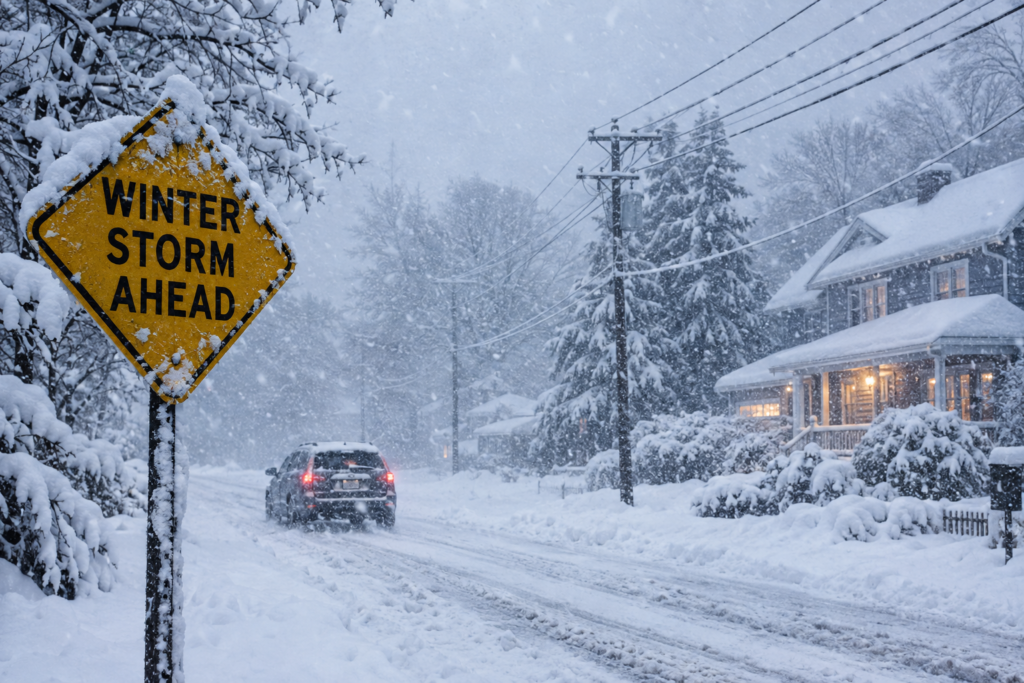
A winter storm can look beautiful from inside a warm home, but serious winter weather can become dangerous very quickly. Heavy snow, freezing rain, sleet, strong winds, ice, and extremely cold temperatures can disrupt transportation, damage property, cause power outages, and create dangerous conditions for people and animals.
One reason winter storms deserve attention is that their effects often continue long after the snow stops falling. Roads may remain icy, electricity can be interrupted, and emergency services may have difficulty reaching affected areas. A storm that initially seems manageable can become much more challenging when temperatures fall and travel becomes difficult.
The good news is that preparation makes a major difference. Understanding winter storm forecasts, recognizing weather alerts, preparing your home and vehicle, and knowing what to do during an emergency can help you respond calmly instead of making decisions at the last minute.
This guide explains what a winter storm is, how different types of winter weather develop, how forecasts and warnings work, what you should keep at home, how to prepare your vehicle, and what to do before, during, and after severe winter weather.
What Is a Winter Storm?
A winter storm is a weather event involving one or more forms of wintry precipitation, including snow, sleet, or freezing rain. Depending on atmospheric conditions, a storm can produce several types of precipitation during the same event.
Some winter storms are relatively short and bring only a light coating of snow. Others can last for many hours or even several days and affect large geographic areas. The National Weather Service notes that winter storms can range from moderate snowfall to major blizzards with strong winds and whiteout conditions.
The danger of a winter storm is not determined only by how much snow falls. Wind, temperature, ice accumulation, visibility, road conditions, and the duration of the event can all influence the level of risk. A smaller amount of snow combined with freezing temperatures and strong winds can sometimes create significant transportation problems.
Why Can a Winter Storm Be Dangerous?
A winter storm can create several hazards at the same time. Heavy snowfall can make roads difficult to use, while freezing rain can cover roads, sidewalks, trees, and power lines with ice. Strong winds can create blowing snow and dramatically reduce visibility.
Cold temperatures add another layer of danger. Someone who becomes stranded outdoors or inside a disabled vehicle may face hypothermia or frostbite. The National Weather Service also identifies vehicle crashes, exposure to cold, and accidents associated with snow removal as important winter-weather hazards.
Power outages are another major concern. If electricity is unavailable for an extended period, homes can become dangerously cold. Heating equipment can also create fire or carbon monoxide hazards when used incorrectly. That is why winter storm preparation should cover not just food and water, but also safe heating, emergency lighting, communication, and transportation.
Different Types of Winter Storms
Not every winter storm behaves the same way. Understanding the differences between snowstorms, ice storms, sleet events, and blizzards makes it easier to understand forecasts and warnings.
Snowstorms
Snowstorms occur when enough moisture and cold air are present for snow to reach the ground. The amount of snow can vary from a light accumulation to several feet in exceptional events.
Heavy snow can make roads difficult or impossible to travel on. It can also place considerable weight on roofs, trees, and structures. Blowing snow can create additional visibility problems even after the main snowfall has ended.
Ice Storms
Ice storms are particularly disruptive because freezing rain can form a layer of ice over exposed surfaces. Roads, sidewalks, bridges, tree branches, and utility lines can become coated with ice.
The weight of accumulated ice can damage trees and contribute to power-line failures. Even a relatively thin layer of ice can make walking and driving extremely hazardous.
Sleet
Sleet consists of frozen precipitation that reaches the ground as ice pellets. It can accumulate on roads and sidewalks and create slippery conditions.
Sleet can also be part of a larger winter weather system that includes snow and freezing rain. This means conditions can change throughout a single storm as temperatures and atmospheric layers shift.
Blizzards
A blizzard is associated with strong winds and very low visibility caused by falling or blowing snow. The National Weather Service describes blizzard conditions in terms of sustained wind or frequent gusts combined with visibility below one-quarter mile for at least three hours.
Blizzards can be particularly dangerous for motorists because landmarks, road edges, signs, and other vehicles can become difficult or impossible to see. Even experienced drivers can become disoriented in whiteout conditions.
How Winter Storms Form
Winter storms develop when the atmosphere contains the right combination of moisture, cold air, and atmospheric movement. The exact setup varies depending on the type of storm and geographic location.
Large-scale weather systems can transport moisture into regions where temperatures are cold enough to support snow or other frozen precipitation. Strong atmospheric disturbances can then help organize the storm and intensify precipitation.
Temperature differences at different levels of the atmosphere are also important. A storm may produce snow in one location, sleet in another, and freezing rain farther away because the temperature structure above the ground is different.
This is one reason winter weather forecasting can be complicated. A small change in temperature can sometimes change the expected precipitation from snow to sleet or freezing rain.
Understanding Winter Storm Forecasts
Weather forecasts provide important information before a storm arrives, but forecasts can change as new observations become available. The best approach is to monitor official forecasts rather than relying on a single prediction made several days in advance.
The National Weather Service uses several types of alerts to communicate increasing levels of concern. An outlook can provide an early indication that significant winter weather is possible. A watch indicates increasing confidence that dangerous conditions could develop, while a warning indicates that hazardous conditions are expected or occurring.
Advisories are generally used for conditions that can cause significant inconvenience or hazards but may not meet warning-level criteria. The exact criteria can vary by location.
Knowing the difference between these alerts helps you decide when to begin preparing, when to change travel plans, and when to stay off the roads.
What to Do Before a Winter Storm
Preparation should begin before the first flakes appear. Waiting until a winter storm warning is issued can leave you competing with everyone else for supplies and transportation.
Start by checking your home’s heating system and making sure you have a safe way to stay warm if the electricity goes out. Check flashlights, batteries, portable radios, and other emergency equipment before you actually need them.
You should also review your food and water supplies. Keep some foods available that do not require refrigeration or cooking. The National Weather Service recommends maintaining supplies that can support household needs during a disruption.
If you take prescription medication, make sure you have an adequate supply before severe weather arrives. Families with babies, older adults, pets, or people who require special equipment should make plans around their specific needs.
Building a Winter Storm Emergency Kit
A practical winter storm emergency kit does not need to be complicated. The goal is to have basic supplies available if you cannot leave your home or if electricity and other services are interrupted.
A home emergency kit can include:
- Flashlights
- Extra batteries
- Portable radio
- Drinking water
- Nonperishable food
- First-aid supplies
- Necessary medications
- Blankets and warm clothing
- Phone chargers or backup power
- Basic tools
- Pet food and water
- Baby supplies when needed
- Smoke and carbon monoxide detectors
- Emergency heating supplies that can be used safely
The exact contents should reflect the people in your household. For example, households with infants may need formula and diapers, while households with pets should keep additional food and water available.
The National Weather Service specifically recommends supplies such as flashlights, extra batteries, emergency food and water, prescription medicine, first-aid supplies, and safe emergency heating options.
Preparing Your Home for a Winter Storm
Your home should be ready for both cold temperatures and possible power loss. Before a major storm, check doors and windows for obvious drafts and make sure your heating system is working properly.
If you use a fireplace, wood stove, or space heater, follow the manufacturer’s safety instructions. Heating equipment should have adequate ventilation and should never be used in a way that creates a carbon monoxide hazard.
Carbon monoxide is especially dangerous because it is invisible and odorless. Make sure carbon monoxide detectors are working correctly, particularly if your home uses fuel-burning heating equipment.
The National Weather Service also recommends testing smoke alarms and carbon monoxide detectors and keeping outside vents clear of snow and debris.
How to Prepare for a Winter Power Outage
A winter storm can cause power lines to fail because of ice accumulation, heavy snow, falling trees, or strong winds. If you lose electricity during extremely cold weather, keeping warm becomes a priority.
Close doors and windows to conserve indoor heat. Consider gathering household members in a smaller area of the home if that helps conserve warmth, while continuing to follow safe ventilation practices.
Never use outdoor equipment indoors. Generators, grills, camp stoves, and similar equipment can produce dangerous carbon monoxide when operated inside enclosed or poorly ventilated areas.
If you use a generator, follow its instructions carefully and place it outdoors in a location where exhaust cannot enter your home through windows, doors, vents, or other openings.
Preparing Your Vehicle for a Winter Storm
Vehicles require special preparation because getting stranded during a winter storm can quickly become an emergency.
Before winter weather arrives, check your tires, battery, lights, brakes, windshield wipers, heater, defroster, fluids, and exhaust system. Keep the fuel level reasonably high, particularly when severe weather is expected.
A winter vehicle kit can include blankets, warm clothing, a flashlight, extra batteries, water, high-calorie food, a first-aid kit, a windshield scraper, jumper cables, a shovel, traction material, and a phone charger.
The National Weather Service recommends winterizing vehicles and carrying emergency supplies because motorists can become stranded when snow and ice make roads impassable.
Should You Drive During a Winter Storm?
The safest choice is often to avoid unnecessary travel when conditions become dangerous. If authorities recommend staying off roads, take that recommendation seriously.
If you must travel, check current road conditions before leaving. Tell someone where you are going and when you expect to arrive. Keep your vehicle’s fuel level adequate and take an emergency kit.
Drive slowly and increase the distance between your vehicle and the one ahead. Roads that look wet can contain ice, particularly around bridges, shaded areas, intersections, and ramps.
The National Weather Service advises travelers to stay on main roads, avoid unnecessary travel, and make sure someone knows their route and expected arrival time.
What to Do If Your Vehicle Gets Stuck
Getting stranded during a winter storm can be frightening, but leaving your vehicle without knowing where help is located can increase the danger.
In many circumstances, remaining with the vehicle makes it easier for rescuers to locate you. Turn on hazard lights when appropriate and make the vehicle visible to rescuers.
If you need to run the engine for warmth, make sure the exhaust pipe remains clear of snow. Carbon monoxide can build up inside a vehicle if exhaust cannot escape properly. The National Weather Service recommends periodically checking the exhaust and taking precautions to maintain ventilation.
Keep yourself hydrated and conserve energy. Use blankets and extra clothing from your emergency kit. Avoid unnecessary exertion, especially in severe cold.
Staying Safe Inside During a Winter Storm
Once severe winter weather begins, staying indoors is generally safer than venturing outside unnecessarily. Snow, ice, wind, and low temperatures can combine to create dangerous conditions.
Keep monitoring official weather information so you know whether the storm is intensifying, when conditions may improve, and whether additional warnings have been issued.
Avoid unnecessary trips outside. If you need to go outside briefly, dress in layers and protect your head, hands, feet, and face from cold exposure.
Winter weather can make ordinary household tasks more dangerous too. Be careful around icy steps, entrances, driveways, and sidewalks.
Snow Shoveling Safety
Snow removal can seem like a simple chore, but heavy physical exertion in cold weather can place significant stress on the body.
Do not try to clear an excessive amount of snow quickly. Take breaks and avoid pushing yourself beyond your physical limits.
Use proper equipment and pay attention to icy surfaces. Snow can hide uneven pavement, and slipping while carrying a heavy shovel can cause serious injuries.
The National Weather Service specifically warns against overexertion while shoveling snow and notes that heart attacks are a major concern during and after winter storms.
Protecting Pets During a Winter Storm
Pets need preparation just like people do. Make sure animals have adequate food, water, and a warm place to stay.
During severe winter weather, keep pets indoors whenever possible. Short outdoor trips may still be necessary for some animals, but exposure should be limited according to the animal’s needs and the weather conditions.
Do not assume that animals can safely tolerate extreme cold simply because they have fur. Age, breed, size, health, and previous exposure to cold can all affect how an animal responds.
The National Weather Service recommends ensuring pets have sufficient food, water, and shelter during winter storms.
Helping Older Adults and Vulnerable Family Members
Winter storm preparation should account for everyone in the household, not just the healthiest adults.
Older adults may have greater difficulty maintaining body temperature or moving safely across icy surfaces. People who depend on medical devices, medications, mobility equipment, or regular assistance may also require additional planning.
Before a storm, identify how these needs will be handled if transportation becomes unavailable or electricity is interrupted.
Keep important medications, emergency contacts, medical information, and necessary supplies accessible. If someone relies on electrically powered medical equipment, discuss an emergency power plan with the appropriate healthcare provider or equipment supplier.
What to Do After a Winter Storm
The end of snowfall does not necessarily mean the danger is over. Roads may remain icy, power lines may be damaged, and roofs or trees may still carry heavy snow or ice.
Continue following official instructions and avoid unnecessary travel until conditions improve.
Be especially careful around downed power lines. Never assume a fallen line is safe simply because it is not sparking. Keep away and report it to the appropriate utility or emergency authority.
When clearing snow and ice, work slowly and avoid unnecessary physical exertion.
Winter Storm and Power Outage Safety
If the power goes out, resist the temptation to use unsafe heating methods. Never bring a charcoal grill, outdoor heater, or fuel-burning appliance designed for outdoor use into an enclosed space.
Generators should remain outdoors and should be operated according to the manufacturer’s instructions. Carbon monoxide poisoning can happen without warning, so functioning detectors are an important part of winter preparedness.
Keep refrigerators and freezers closed as much as possible during an outage. This helps preserve the temperature inside for longer.
Use flashlights instead of candles when possible, particularly in homes with children or pets. If candles are used, never leave them unattended.
How Technology Can Help During a Winter Storm
Modern technology makes it easier to monitor weather than ever before. Smartphones can provide access to official forecasts, emergency alerts, road-condition information, and communication with family members.
However, technology should not be your only emergency resource. A dead phone battery, weak cellular signal, damaged infrastructure, or internet outage can limit access.
Keep backup batteries or portable charging equipment available. A battery-powered weather radio can also provide useful information when internet service is unavailable.
The National Weather Service recommends using reliable weather information sources and keeping emergency communication equipment available during winter weather.
Common Mistakes People Make During Winter Storms
One common mistake is waiting until the storm is already underway to prepare. By then, stores may be crowded, supplies may be limited, and roads may already be dangerous.
Another mistake is underestimating ice. People sometimes assume that a thin layer of ice is less dangerous than deep snow, but icy roads and sidewalks can be extremely slippery.
Driving too quickly is another frequent problem. Even vehicles with advanced safety features cannot eliminate the physics of reduced traction.
People can also make dangerous heating decisions during power outages. Using an outdoor generator or combustion appliance indoors can create deadly carbon monoxide levels.
Preparation is usually much easier than trying to solve these problems during the worst part of the storm.
A Simple Winter Storm Preparation Checklist
If a winter storm is approaching, use this checklist to organize your preparation:
At home:
- Check weather alerts.
- Charge phones and backup batteries.
- Test flashlights.
- Check smoke and carbon monoxide detectors.
- Stock food and drinking water.
- Refill essential medications.
- Prepare warm clothing and blankets.
- Bring pets inside.
- Check heating equipment.
- Keep emergency contacts accessible.
For your vehicle:
- Check tires.
- Check battery condition.
- Fill the fuel tank.
- Test lights and windshield wipers.
- Check the heater and defroster.
- Pack a winter emergency kit.
- Check road conditions before leaving.
- Tell someone your travel plans.
During the storm:
- Stay indoors when conditions are dangerous.
- Monitor official alerts.
- Avoid unnecessary driving.
- Dress warmly if you must go outside.
- Avoid excessive snow-shoveling.
- Keep generators outside.
- Watch for carbon monoxide hazards.
After the storm:
- Check for damaged power lines.
- Continue monitoring weather information.
- Clear snow carefully.
- Check on vulnerable family members and neighbors when safe.
- Avoid unnecessary travel until roads improve.
Frequently Asked Questions About Winter Storms
What is the biggest danger during a winter storm?
There is no single danger that applies to every storm. Major risks can include icy roads, vehicle crashes, hypothermia, frostbite, power outages, falling trees, downed power lines, and unsafe heating practices.
The exact risk depends on the storm’s temperature, wind, precipitation type, duration, and local conditions.
How early should I prepare for a winter storm?
Ideally, preparation should happen before severe weather is imminent. Keep basic emergency supplies available throughout the winter rather than waiting for a warning.
When a watch or warning is issued, use that information to review your supplies, adjust travel plans, and complete any remaining preparations.
Is freezing rain more dangerous than snow?
Freezing rain can create particularly hazardous conditions because it forms ice on roads, sidewalks, trees, vehicles, and power lines.
However, heavy snow and blizzard conditions can also be extremely dangerous. The level of risk depends on the specific storm and local circumstances.
Should I travel during a winter storm?
Avoid unnecessary travel when severe winter weather is occurring. If travel is essential, check official road conditions, drive cautiously, carry emergency supplies, and let someone know your route.
If officials advise people to stay off the roads, follow that guidance.
What should I keep in my car during winter?
A useful winter emergency kit can include blankets, warm clothing, water, food, a flashlight, extra batteries, a first-aid kit, a windshield scraper, jumper cables, a shovel, traction material, and a phone charger.
The exact kit can be adjusted based on your climate, travel distance, and personal needs.
How can I stay warm during a power outage?
Use safe heating methods and conserve indoor heat. Close unnecessary openings and wear warm layers.
Never use generators, grills, or outdoor combustion equipment inside your home. Carbon monoxide can accumulate rapidly in enclosed spaces.
How do I know if a winter storm is coming?
Monitor official weather forecasts and alerts from reliable meteorological agencies. Forecast confidence generally increases as a storm gets closer, but conditions can still change.
Do not rely exclusively on social media posts or unverified weather claims.
Final Thoughts on Winter Storm Preparedness
A winter storm does not have to become a crisis simply because it brings heavy snow, ice, wind, or extreme cold. Preparation gives you more options and reduces the need to make rushed decisions when conditions are already deteriorating.
The most important steps are straightforward: monitor official forecasts, keep emergency supplies available, prepare your home, winterize your vehicle, avoid unnecessary travel, and understand how to respond if the power goes out or you become stranded.
It is also important to remember that winter weather can remain hazardous after the storm appears to be finished. Icy roads, damaged trees, downed power lines, extreme cold, and accumulated snow can continue creating problems for hours or days.
A little preparation before a winter storm can therefore go a long way. Instead of waiting for the first warning to start thinking about safety, make winter readiness part of your normal seasonal routine. That way, when the forecast changes, you can focus on staying informed and safe rather than rushing to find basic supplies.
YOU MAY HAVE MISSED