WWE is one of the most recognizable names in professional wrestling and sports entertainment. For decades, it has combined athletic performances, larger-than-life personalities, dramatic rivalries, championship matches, and unforgettable moments to create a form of entertainment that reaches audiences around the world. Even people who do not regularly watch wrestling often recognize famous WWE names, championship belts, or iconic catchphrases.
What makes WWE particularly interesting is the way it blends different forms of entertainment into one weekly product. A WWE show can feature intense physical competition, comedy, emotional storytelling, celebrity appearances, dramatic backstage segments, and spectacular entrances within the same episode. This mixture has helped the company maintain a broad audience while continually introducing new generations of fans to professional wrestling.
Today, WWE represents much more than a wrestling promotion. It has become a global entertainment brand with television programs, premium live events, merchandise, video games, documentaries, digital content, and a huge online fan community. Understanding WWE means looking at its history, performers, championships, storytelling, business model, and influence on popular culture.
What Is WWE?
WWE stands for World Wrestling Entertainment, a major professional wrestling and sports entertainment organization. The company presents scripted wrestling matches alongside storylines designed to entertain audiences. Although the outcomes of matches are predetermined, the physical performances require significant athletic ability, training, timing, coordination, and risk management.
The modern WWE product usually revolves around weekly television programming, premium live events, championships, and ongoing rivalries between performers. Wrestlers may be presented as heroes, villains, or characters whose personalities fall somewhere in between. These roles can change over time depending on the direction of a storyline and the reaction from fans.
One of WWE’s biggest strengths is its ability to create recognizable characters. A wrestler is not simply presented as someone who competes in matches. Their entrance music, clothing, personality, mannerisms, interviews, finishing move, and relationships with other performers can all become part of their identity. This character-driven approach is one reason WWE has remained culturally relevant for so long.
The History of WWE
The roots of WWE can be traced back to the wrestling promotion originally known as the World Wide Wrestling Federation, or WWWF. The organization eventually became the World Wrestling Federation and later adopted the WWE name. Over the years, the company went through major periods of growth and transformation as professional wrestling evolved.
The 1980s were particularly important for the company. WWE expanded professional wrestling beyond traditional regional markets and developed a nationally recognizable product. Wrestlers such as Hulk Hogan became major mainstream stars, while WrestleMania helped establish the idea that professional wrestling could be presented as a massive entertainment spectacle.
The 1990s brought another dramatic transformation. WWE faced strong competition, leading to an era of increasingly creative and controversial television. The period commonly associated with the Attitude Era introduced characters, storylines, and moments that attracted huge attention. The company continued evolving into the 2000s, developing new stars and adapting its presentation for changing audiences.
WWE and WrestleMania
WrestleMania is WWE’s flagship event and one of the most important events in professional wrestling history. The annual show has grown from a major wrestling card into a large-scale entertainment production featuring championship matches, celebrity appearances, elaborate entrances, and major storyline conclusions.
One reason WrestleMania became so influential is its ability to make individual matches feel like major events. A championship contest or rivalry that develops over several months can reach its conclusion on the WrestleMania stage. For performers, appearing in a major WrestleMania match can become one of the defining moments of their careers.
The atmosphere surrounding WrestleMania also contributes to its identity. Fans travel from different locations to attend the event and related activities. The week often includes wrestling conventions, fan experiences, merchandise opportunities, media appearances, and other events. This creates an environment that feels more like a festival than a single wrestling show.
WWE’s Weekly Television Shows
Weekly television is the foundation of WWE’s storytelling. Rather than telling an entire story during one event, WWE typically develops rivalries over multiple episodes. Wrestlers may exchange verbal challenges, interfere in matches, form alliances, betray teammates, or compete in qualifying matches before eventually facing each other at a major event.
Different WWE programs have historically served different purposes within the overall product. Brand structures can divide performers into separate groups, allowing multiple championships and storylines to operate at the same time. This gives WWE more opportunities to develop characters and introduce new combinations of performers.
Weekly shows also provide an important platform for new talent. A wrestler does not necessarily become a major star overnight. Consistent television appearances can help performers develop their personalities, improve their microphone skills, build relationships with audiences, and establish memorable rivalries.
WWE Superstars and Their Characters
WWE performers are often known as much for their characters as for their wrestling abilities. Some characters are designed to represent traditional heroes, while others are deliberately presented as arrogant, dangerous, rebellious, mysterious, or comedic personalities.
A strong WWE character can become recognizable outside wrestling. Catchphrases, entrance music, gestures, costumes, and signature moves can all contribute to this recognition. When fans immediately understand who a performer is and what they represent, the character becomes easier to connect with.
Characters can also evolve. A wrestler who begins as a villain may eventually become popular with fans and transition into a heroic role. Conversely, a beloved performer may turn against an ally and become a major antagonist. These changes are often used to refresh characters and create new story possibilities.
WWE Championships
Championships are an important part of WWE’s storytelling structure. Holding a championship generally represents a performer’s position within a particular division and gives storylines a clear competitive objective. Championships can also help establish long-term narratives around champions and challengers.
WWE has featured numerous championship titles throughout its history. World championships have traditionally occupied the highest level of the men’s division, while women’s championships have become increasingly prominent. Tag team championships provide another form of competition, allowing teams to develop their own identities and rivalries.
A championship is more than a physical belt. Its importance is connected to the history surrounding it. When a title has been held by legendary performers and defended in memorable matches, future champions inherit part of that history. This gives championship victories emotional significance for both wrestlers and fans.
The Importance of WWE Storytelling
Storytelling is one of the most important elements of WWE. A wrestling match becomes more meaningful when viewers understand why the competitors are fighting. A championship challenge, personal rivalry, betrayal, or quest for revenge can give a match an emotional purpose.
Good wrestling storytelling often depends on gradual development. Instead of immediately revealing everything, WWE can build tension through interviews, confrontations, matches, and unexpected events. Fans then have a reason to continue watching because they want to see what happens next.
Storylines can also create memorable moments that remain popular long after a match ends. A surprise return, shocking betrayal, unexpected championship victory, or emotional farewell can become part of wrestling history. These moments demonstrate why professional wrestling is not simply about the physical match itself.
WWE’s Greatest Matches
WWE history contains thousands of matches, ranging from short television contests to lengthy championship battles. Some matches become particularly memorable because of the performers involved, the storyline surrounding them, the quality of the wrestling, or the emotional response from the audience.
Major events often provide the stage for these memorable performances. WrestleMania, SummerSlam, Royal Rumble, Survivor Series, and other major WWE events have hosted matches that fans continue discussing years later.
The idea of a “greatest match” is subjective because wrestling fans value different things. Some prefer technical wrestling, while others enjoy dramatic storytelling, spectacular entrances, high-risk maneuvers, or intense rivalries. This variety is part of what keeps discussions about WWE matches alive among fans.
The Royal Rumble and Its Unique Format
The Royal Rumble is one of WWE’s most recognizable match concepts. Instead of beginning with all competitors in the ring, wrestlers enter at scheduled intervals. The match continues until a predetermined number of participants have entered, creating constantly changing combinations.
The elimination system gives the Royal Rumble a unique sense of unpredictability. A wrestler is eliminated when they are thrown over the top rope and both feet touch the floor. Because competitors enter at different times, a match can change dramatically within seconds.
The Royal Rumble also plays an important role in the road toward WrestleMania. Victories can provide performers with major opportunities, while surprise appearances and unexpected eliminations frequently create talking points for fans. The format naturally encourages speculation about who might appear and what could happen next.
WWE Women’s Wrestling
Women’s wrestling has become an important part of WWE programming. Female performers have increasingly received opportunities to headline major events, compete for prominent championships, and participate in storylines that are treated as central components of WWE programming.
The division has evolved significantly over the years. Earlier generations of women’s wrestling were often presented differently from today’s product, but the company gradually increased the emphasis on athletic competition and character development. Many performers have helped demonstrate the range and depth of women’s professional wrestling.
Women’s matches can now occupy major positions on WWE cards, including main events. This development reflects broader changes within professional wrestling and the expectations of modern audiences. The continued development of the division also provides opportunities for new performers to establish themselves.
WWE Tag Team Wrestling
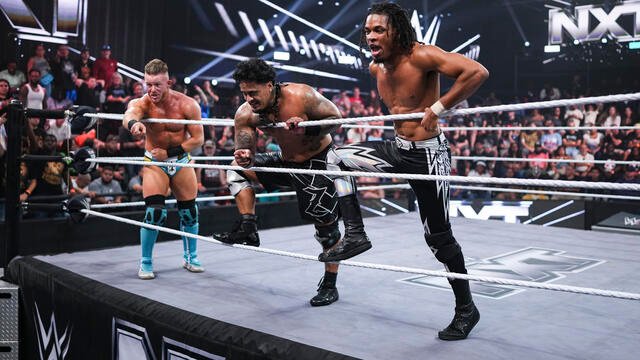
Tag team wrestling adds a different dynamic to WWE. Instead of one-on-one competition, teams must coordinate their strategy while managing legal and illegal participants inside the ring. Successful tag teams often develop unique personalities, entrance styles, and combinations of wrestling moves.
Tag team storylines can also involve friendship and betrayal. Two wrestlers may initially join forces because they share a common goal, only for disagreements to emerge later. This creates opportunities for both teamwork and individual storylines.
Some of WWE’s most memorable teams have developed strong identities that remain recognizable years later. Tag team wrestling can therefore serve as a starting point for performers while also providing established stars with new creative opportunities.
WWE Entrance Music and Presentation
WWE entrances are an important part of the company’s presentation. A wrestler’s entrance music can immediately communicate their personality and create anticipation before the match begins. Some entrance themes become so closely associated with performers that fans recognize them within seconds.
Lighting, video graphics, costumes, pyrotechnics, and camera work add additional elements to the presentation. A major superstar may receive a dramatically different entrance from an emerging performer, reinforcing the perceived importance of the moment.
The entrance also gives fans a chance to participate. Crowds often sing along with popular themes, repeat catchphrases, or react to specific moments during an entrance. In this way, the entrance becomes part of the shared experience between performers and audiences.
WWE Fans and Global Popularity
WWE has built a global fan base that extends far beyond the United States. Its events have been held in numerous countries, and international audiences have played an increasingly important role in WWE’s business and live-event strategy.
One reason for WWE’s international appeal is its relatively simple storytelling structure. A viewer does not necessarily need deep knowledge of wrestling history to understand that one character is challenging another for a championship or that two performers have developed a rivalry.
Social media has also changed how fans interact with WWE. Clips, interviews, memes, entrance videos, match highlights, and fan reactions can spread quickly online. This allows moments from WWE programming to reach people who may not have watched the original broadcast.
WWE Merchandise and Fan Culture
Merchandise is a major part of WWE’s fan culture. T-shirts, championship replicas, action figures, posters, hats, and other products allow fans to show support for their favorite performers and storylines.
Merchandise also reflects the popularity of individual characters. A successful performer may develop recognizable logos, phrases, symbols, or designs that become closely connected with their identity. Fans can then carry those elements beyond the wrestling arena.
Collecting WWE merchandise has become its own hobby for many fans. Some collectors focus on action figures, while others prefer championship belts, signed memorabilia, vintage merchandise, or event-specific items. This creates a broader community around WWE beyond watching matches.
WWE Video Games
Video games have played an important role in expanding WWE’s entertainment presence. Wrestling games allow fans to create matches, build custom characters, recreate famous rivalries, and experiment with fantasy scenarios that may never occur on television.
Modern wrestling games typically offer several gameplay modes. Players may compete in standard matches, build careers, manage championships, create arenas, design wrestlers, or construct their own storylines.
The popularity of WWE games demonstrates how wrestling can extend beyond television. Fans are not limited to watching the performers; they can interact with the WWE universe and create their own versions of wrestling events.
WWE and Social Media
Social media has changed how WWE communicates with its audience. In the past, fans primarily experienced wrestling through television broadcasts, magazines, live events, and pay-per-view programs. Today, social platforms allow WWE and its performers to communicate with fans throughout the day.
Wrestlers can use social media to promote matches, share behind-the-scenes content, respond to fans, and develop their public personas. This creates another layer of character development because audiences can see performers outside the traditional television environment.
Social media can also influence which moments receive attention. A short clip or memorable reaction can become widely shared, introducing WWE content to people who may not regularly watch full episodes. This creates additional opportunities for WWE to attract new viewers.
Why WWE Continues to Attract New Fans
One reason WWE continues attracting new fans is its accessibility. A new viewer can watch a major event and quickly understand basic concepts such as championships, rivalries, tag teams, and elimination matches.
The combination of athletic performances and storytelling also provides different entry points for viewers. Some fans become interested because of a particular wrestler, while others discover WWE through a major event, social media clip, video game, or recommendation from friends.
WWE also constantly introduces new performers. This means the product can change significantly over time while maintaining recognizable traditions. New characters inherit the attention of existing fans while bringing their own audiences into the wrestling world.
The Business Side of WWE
WWE operates as a large entertainment business with multiple revenue sources. Television and media rights, live events, merchandise, licensing, sponsorships, digital content, and other commercial activities all contribute to the broader business.
Live events remain an important part of the WWE experience because wrestling is particularly effective when experienced inside an arena. The audience reaction becomes part of the show, and fans can see entrances, matches, and production elements in person.
Media distribution is equally important. WWE’s content reaches audiences through television, streaming platforms, social media, and digital services. The way people consume wrestling has changed considerably, making distribution strategy an increasingly important part of the industry.
WWE’s Influence on Popular Culture
WWE has influenced popular culture through its performers, catchphrases, characters, music, movies, television appearances, and celebrity collaborations. Several wrestling personalities have gone on to successful careers in acting and other entertainment fields.
The company’s influence can also be seen in internet culture. Wrestling moments frequently become memes, GIFs, reaction clips, and references used outside the wrestling community. A dramatic facial expression or famous entrance can become recognizable even to people who rarely watch wrestling.
This crossover demonstrates the broader cultural impact of WWE. Professional wrestling exists at the intersection of sports, theater, television, and popular entertainment, allowing it to reach audiences in ways that traditional sporting events sometimes do not.
The Future of WWE
The future of WWE will likely continue to involve a combination of established traditions and new forms of entertainment. Championships, major events, entrances, rivalries, and character development remain fundamental parts of the product, while technology and changing media habits create new opportunities.
Emerging wrestlers will also play a major role in shaping the next generation of WWE. Every era eventually produces new stars who become associated with their own period in wrestling history. The process of developing those performers is essential to keeping the product fresh.
WWE’s ability to adapt will remain important. Audience expectations change, technology changes, and the entertainment industry continues to evolve. A successful wrestling organization must preserve the elements that make wrestling recognizable while finding new ways to present those elements to modern audiences.
Final Thoughts on WWE
WWE is much more than a collection of wrestling matches. It is a combination of athletic performance, storytelling, character development, live entertainment, television production, and fan culture. Its long history has produced generations of performers and countless moments that have become part of professional wrestling’s wider legacy.
For longtime fans, WWE offers a connection to memories, favorite performers, historic matches, and familiar traditions. For new viewers, it provides an accessible form of entertainment where personalities and stories can be just as important as what happens inside the ring.
Whether someone follows every weekly episode or only watches major events, WWE remains one of the most recognizable names in professional wrestling. Its continuing evolution, global audience, and ability to create memorable characters ensure that WWE will remain an important part of sports entertainment for years to come.
YOU MAY HAVE MISSED